
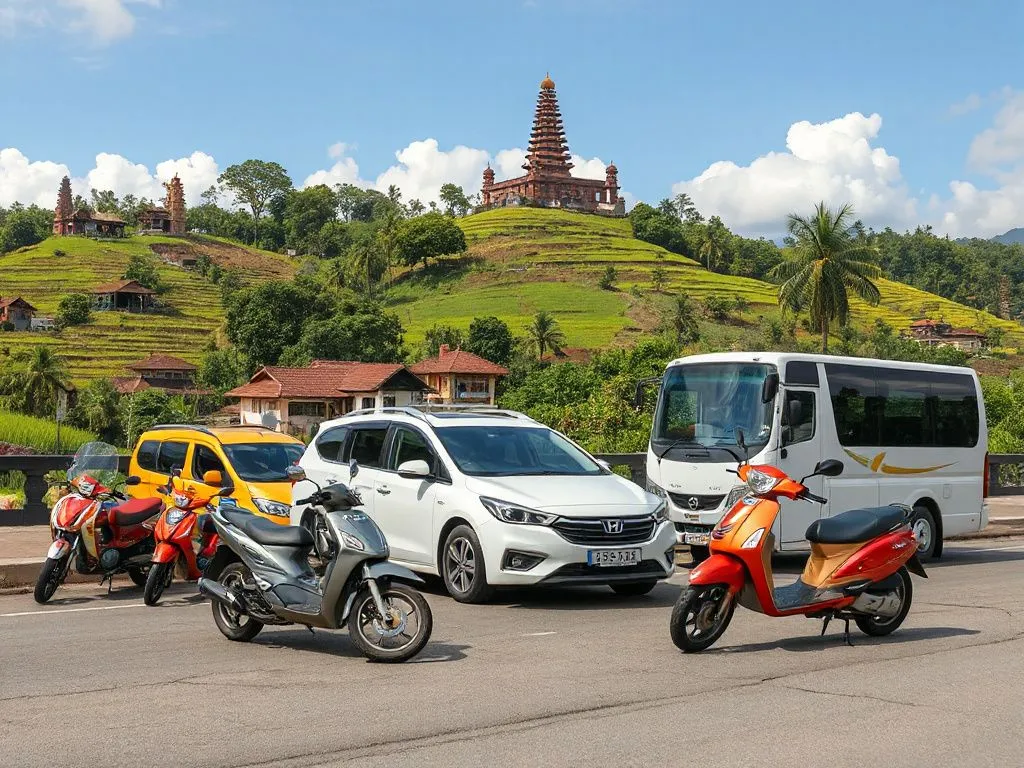
Bali offers plenty of ways to get around, from ride-hailing apps to scooters and private drivers. The island is larger than it appears and traffic is slow; a Canggu–Ubud trip can take an hour or more. Expect congestion around school and work commutes, beach sunsets, and during ceremonies when roads may be redirected. Check travel times and local events before you go—just a little planning makes getting around smoother and far less stressful.
Scooter Rentals: Prices, Safety, and Route Ideas
Scooters give you independence and are popular for short and medium trips. Rentals usually cost 80,000–150,000 IDR per day, fuel is about 10,000 IDR per liter, and weekly or monthly rates are often discounted. Many shops deliver via WhatsApp. Helmets are typically included; request two for a passenger. Never leave your passport—offer a cash deposit or photocopy instead. Expect to refuel every few days; roadside stalls often sell bottled fuel in rural areas. Bring small cash for parking, keep a rain poncho in the seat, and consider a phone holder for navigation. Most 110–125cc scooters handle two riders on flat roads; pack light and avoid steep hills when fully loaded.
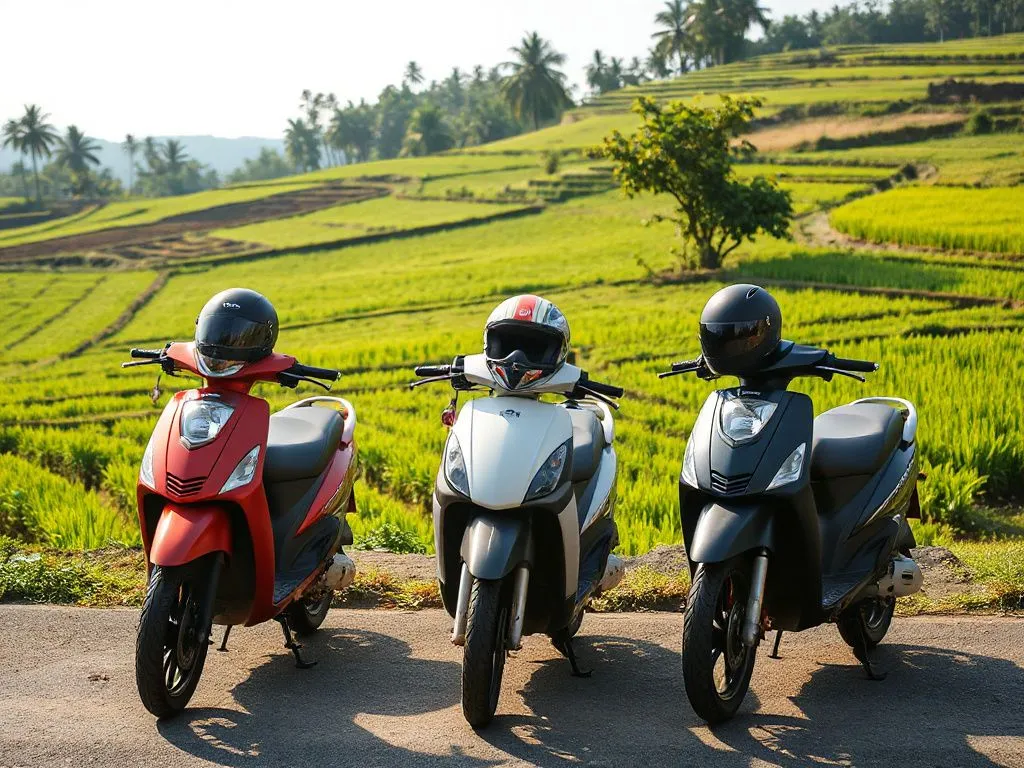
Safety comes first. An IDP with a motorcycle endorsement (or a local SIM C) is required, and police checks are common in places like Kuta and Canggu. Always wear a helmet and ensure your travel insurance covers scooters. Keep copies of your documents, ride on the left, expect daytime headlights, and slow for unexpected speed bumps near schools and villages. In rain, painted lines and mossy patches are slippery—brake gently and reduce speed. For easy scenic rides, try Sanur’s coast or Ubud’s quieter rice-field roads. Confident riders might loop Sidemen or Jatiluwih’s terraces; allow time for photo stops and avoid rural night riding.
Ride-Hailing Apps: Practical Use and Helpful Tips
Grab and Gojek keep travel simple and affordable. Car fares typically range from 30,000 to 200,000 IDR depending on distance; motorbike rides cost less and can be faster in traffic (best for solo travelers with light bags). Prices surge during rain and peak hours. Pay cash or go cashless by linking a card or wallet; promos sometimes lower fares. You can schedule rides, but drivers may adjust or cancel in heavy traffic, so keep plans flexible.
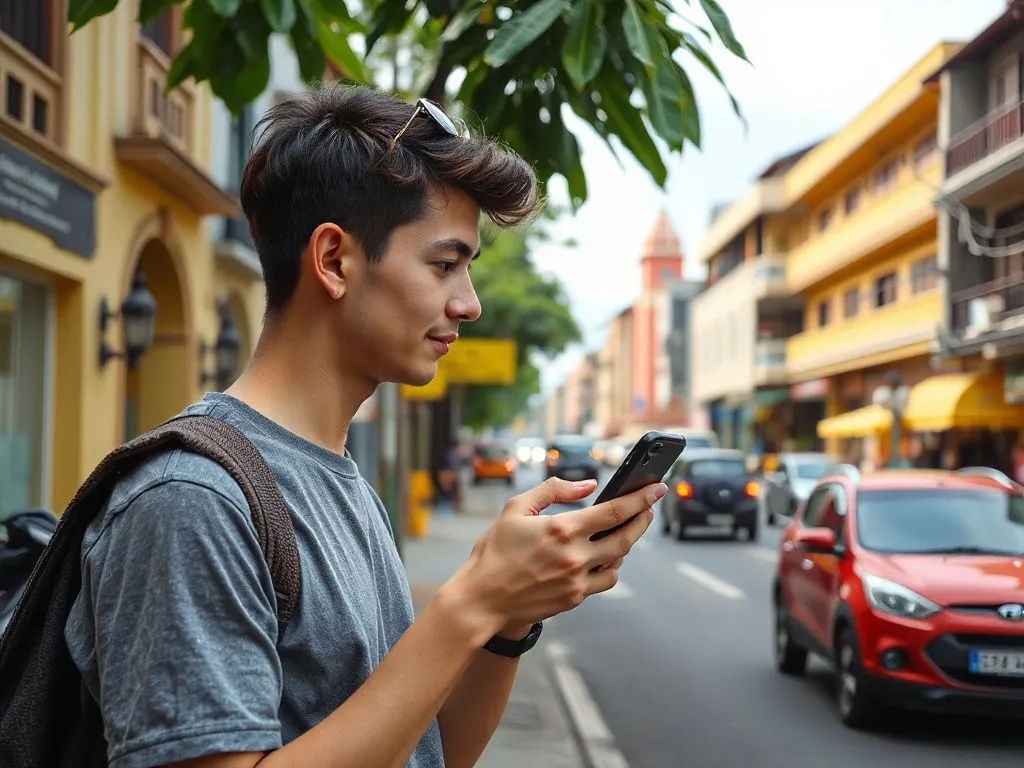
Some zones restrict app pickups—commonly around Uluwatu and Tanah Lot. If blocked, walk to a main road or designated pickup area; hotel staff can point you to the best spot. Always verify the license plate and driver name, share your live location if traveling alone, and confirm the ride has started in the app. Bluebird’s official taxi app is a reliable metered alternative where ride-hailing is limited. Child seats are rarely available, so bring your own if needed, and small tips are appreciated for great service.
Private Drivers: When and How to Use Them Wisely
A private car with driver suits full-day exploring without the hassle. Expect 600,000–800,000 IDR for up to 8–10 hours and a set distance; parking, tolls (like the Mandara toll), and overtime are usually extra. Larger vehicles and English-speaking guides may cost more. Many drivers coordinate via WhatsApp—confirm a day or two ahead in high season and clarify what’s included.
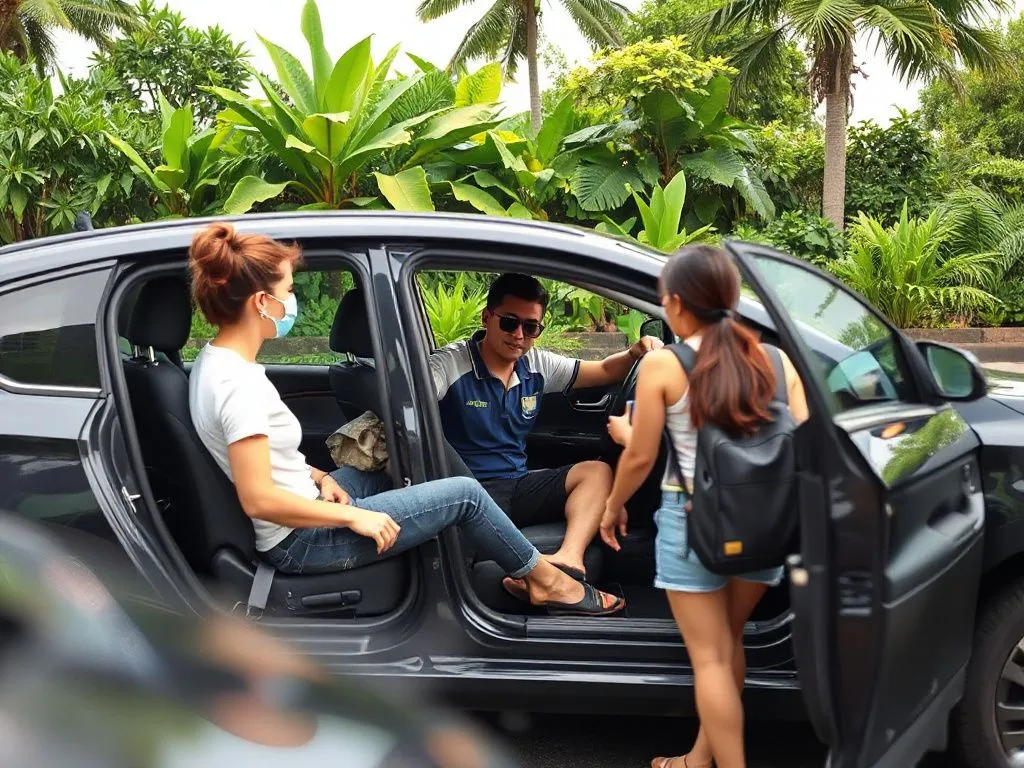
Choose a driver for multi-stop itineraries, longer routes, or less accessible areas. Confirm vehicle type, start time, hours, and special needs (child seats, surfboard racks, space for luggage). Good drivers help you time visits to dodge crowds (waterfalls early; clifftop temples at sunset), suggest scenic detours, and recommend safe, tasty lunch stops. For sunrise trips like Mount Batur or winding drives to Munduk or Lovina, local experience with roads and weather adds comfort and safety.
Comparing Transportation Costs
Knowing typical prices helps with budgeting. Here’s a quick summary:
- Scooter Rentals: 80,000 – 150,000 IDR per day (often discounted for weekly rentals)
- Ride-Hailing (Cars): 30,000 – 200,000 IDR per trip (motorbikes are usually cheaper for short hops)
- Private Drivers: 600,000 – 800,000 IDR for a full day (commonly up to 8–10 hours, plus extras)
Whatever you choose, confirm bookings and carry cash for tips, parking, lockers, and temple sarong rentals. ATMs often dispense large bills—break them at supermarkets and keep small notes handy. If using toll roads, ask your driver about e-money cards or arrange cash reimbursement. Receipts aren’t always provided; snap a photo of app fares or request a written total at day’s end.
Eco-Friendly Travel Choices
Want to lighten your footprint? Biking is peaceful and practical in Sanur’s coastal paths and on quieter Ubud roads. Rentals cost roughly 30,000–80,000 IDR per day; e-bikes help with hills and heat. Guided cycling tours add safety and cultural context. Ride early for cooler weather and gentler traffic. Carry a reusable bottle (refill stations are common in cafés), and wear sunscreen and a hat.
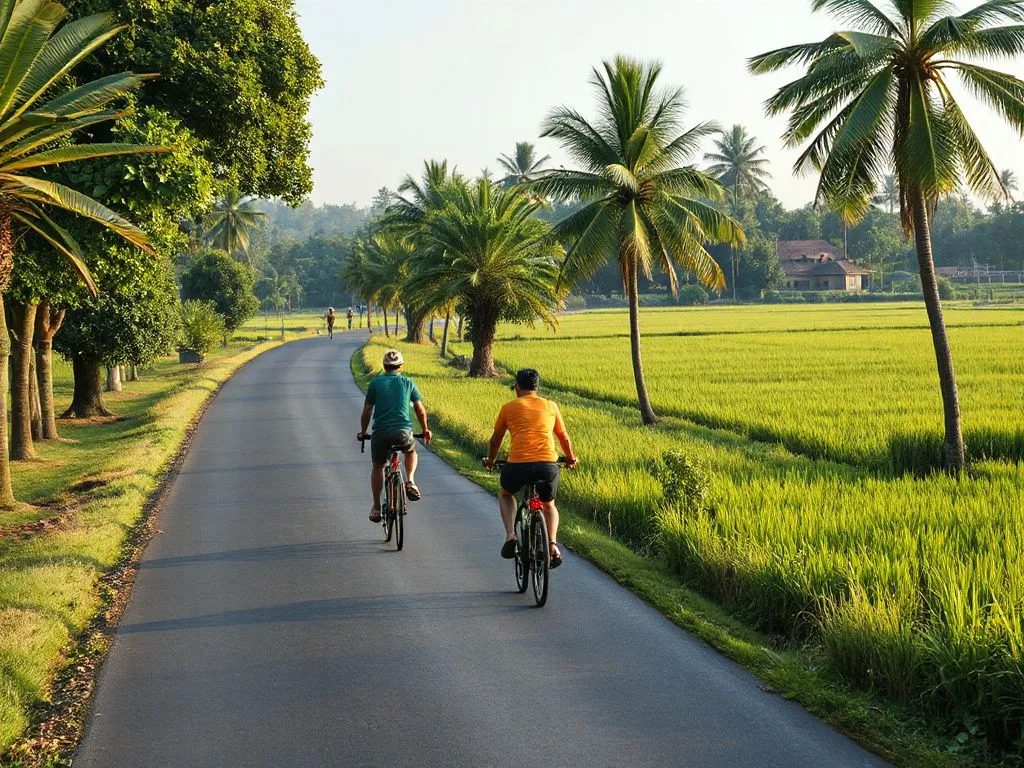
Prefer public transport? The Kura-Kura shuttle bus serves Bali’s southern hubs. Day passes are about 150,000 IDR, with fixed routes connecting Kuta, Seminyak, Legian, Sanur, and Ubud. Check the latest timetable, travel light for easy transfers, and pair the bus with short walks to sights. Online maps and posted schedules make planning straightforward.
Safety Advice for Navigating Bali’s Roads
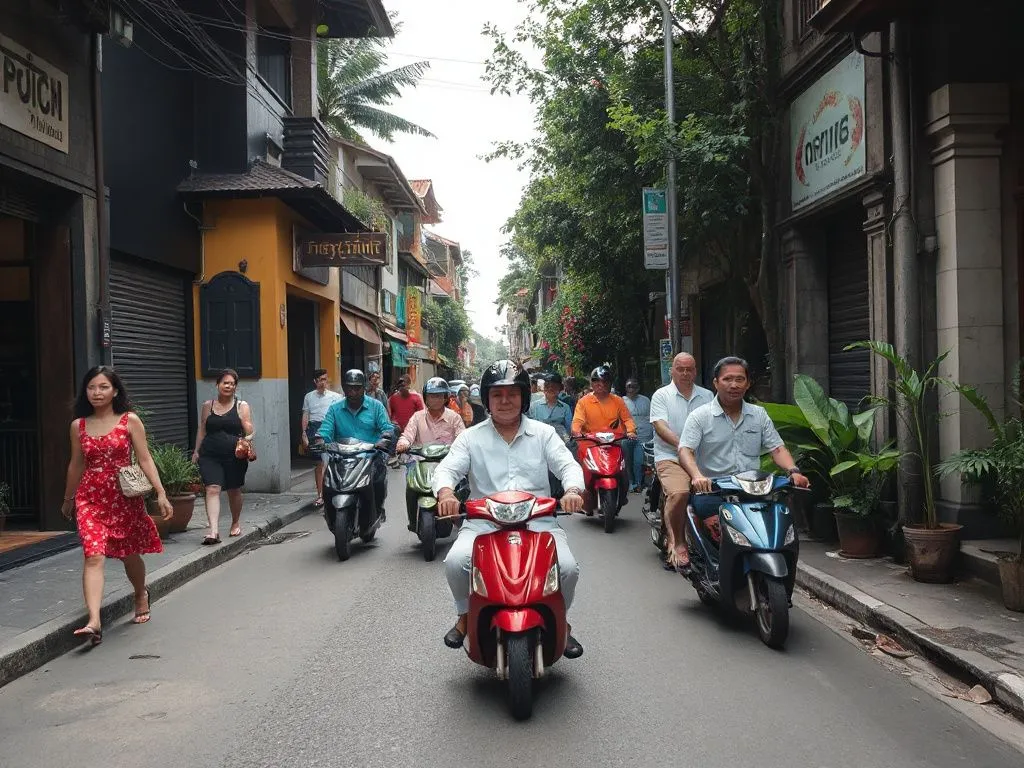
Road safety is essential on Bali’s narrow, busy streets. Follow local laws and the courteous rhythm of traffic: keep left, signal early, and yield where lanes merge near markets or schools. Ceremonies can close roads—follow marshals’ directions patiently. Avoid earphones while riding, check mirrors for faster scooters, and use a light horn tap as a friendly alert when overtaking.
Ride defensively at intersections and learn key road signs. Watch for pedestrians, children near schools, dogs, and chickens. In rain, visibility and grip drop—pull over in heavy downpours and dry brakes with gentle taps after. At night, slow down on unlit rural roads and watch for potholes. Wear proper footwear and protective clothing; even short trips can lead to scrapes. Keep valuables secure and don’t hang bags on open hooks at lights. Save essential contacts (your accommodation, rental agency, and 112 where available) and note nearby clinics in tourist areas.
Enhancing Your Bali Transport Experience
Match your transport choice to convenience, budget, and local advice. Use iaminbali.com to find resources that fit your plans. Download offline maps, keep your phone charged, and check travel times before tight schedules. Around major holidays or Nyepi (Day of Silence), transport may pause—plan rest days. Visiting multiple temples? Carry a lightweight sarong and sash to skip repeat rentals.
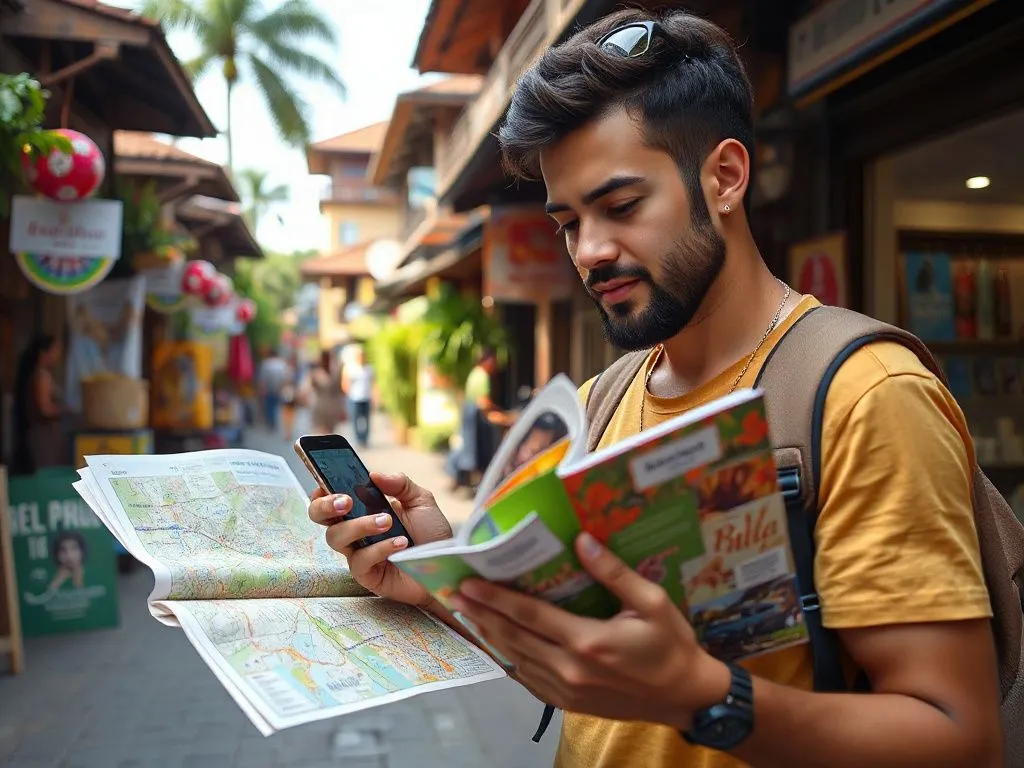
Mix modes for efficiency: a scooter for local beach runs in Canggu, a private driver for Ubud’s waterfalls and rice terraces, and ride-hailing or the shuttle bus for southern transfers. With patience, courtesy, and respect for community rules, the journeys between Bali’s sights become part of the island’s unforgettable charm.
Frequently Asked Questions
What are the main transport options available in Bali?
Bali offers various transport options including ride-hailing apps, scooters, and private drivers. Each option caters to different needs and preferences for getting around the island.
How much do scooter rentals cost in Bali?
Scooter rentals in Bali typically cost between 80,000 and 150,000 IDR per day. Discounts are often available for weekly or monthly rentals.
What should I keep in mind when using ride-hailing apps in Bali?
When using ride-hailing apps like Grab and Gojek, be aware that prices can surge during rain and peak hours. It’s also important to verify the driver’s details and be flexible with your plans due to potential traffic delays.
What is the cost of hiring a private driver in Bali?
Hiring a private driver in Bali usually costs between 600,000 and 800,000 IDR for up to 8–10 hours. Additional costs may apply for parking, tolls, and overtime.
Are there eco-friendly transport options in Bali?
Yes, eco-friendly options in Bali include biking along coastal paths and quieter roads, with rentals costing around 30,000 to 80,000 IDR per day. The Kura-Kura shuttle bus is another option, offering fixed routes for about 150,000 IDR for a day pass.
What safety precautions should I take while riding a scooter in Bali?
Always wear a helmet, ensure you have an International Driving Permit with a motorcycle endorsement, and ride on the left side of the road. Be cautious of slippery conditions in rain and keep an eye out for pedestrians and animals.