
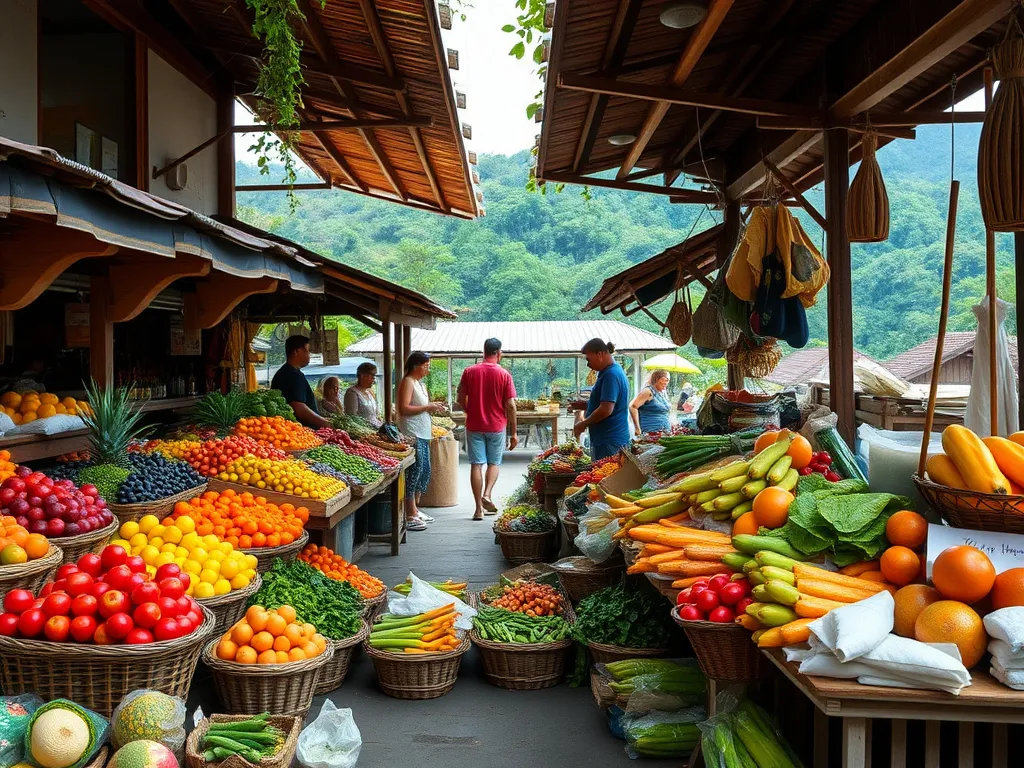
A food tour in Bali is an exciting way to discover its tastes, culture, and traditions. From hidden market stalls to famous warungs, the choices are vast and engaging. Try flavorful dishes, hear the tales behind them, and enjoy Bali’s captivating landscapes. As incense curls from nearby temples and the scent of grilling spices fills the air, you move from seaside grills to mountain villages, each neighborhood boasting its own signature bite. With a knowledgeable guide, menus turn into stories, ingredients make sense, and every stop feels like a small celebration of community and craft.
Why Discover Bali’s Culinary World?
Bali’s food scene is a blend of vibrant flavors and stories. From fiery sambals to tasty sate lilit, each bite showcases culture and history. Visitors and expats find these journeys forge a closer bond with the island, often uncovering treasures most guests overlook. Customized food tours embrace the spirit of Bali for both culinary fans and cultural explorers. Meals in Bali are closely tied to daily rituals and offerings, bustling morning markets (pasar pagi), and the rhythm of Hindu-Balinese ceremonies. Guided experiences help you navigate language and etiquette, support small family-run vendors, and highlight sustainable practices—like seasonal eating and local sourcing—that keep traditions alive while welcoming curious travelers.
Signature Dishes of Bali: A Tasty Journey
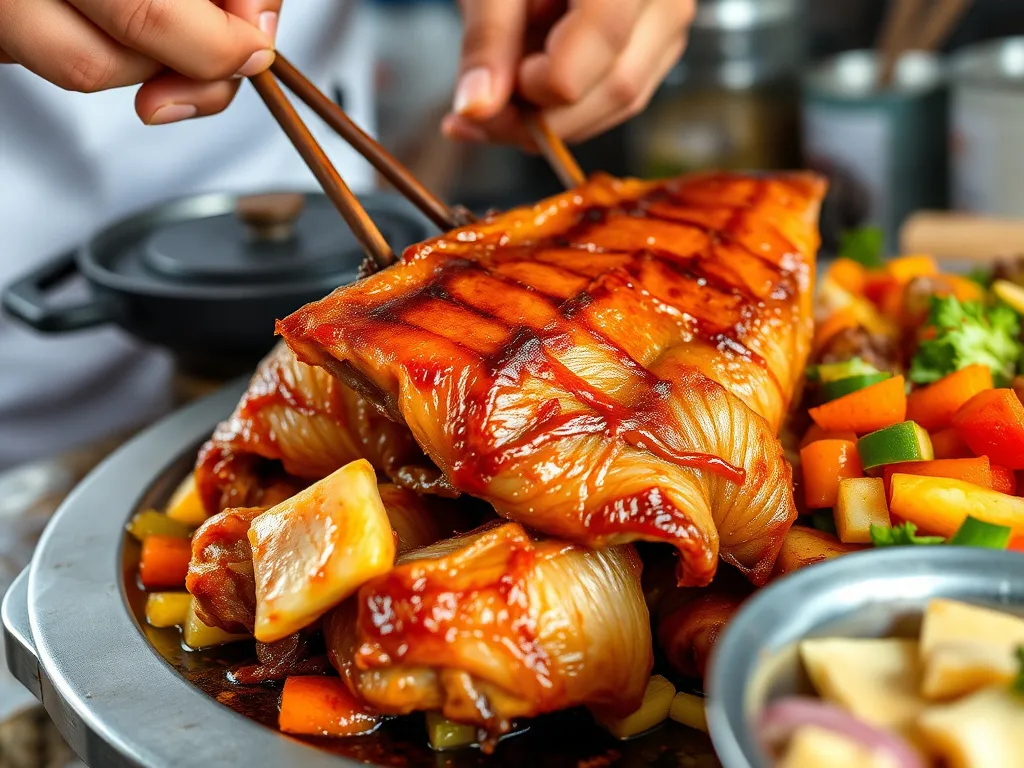
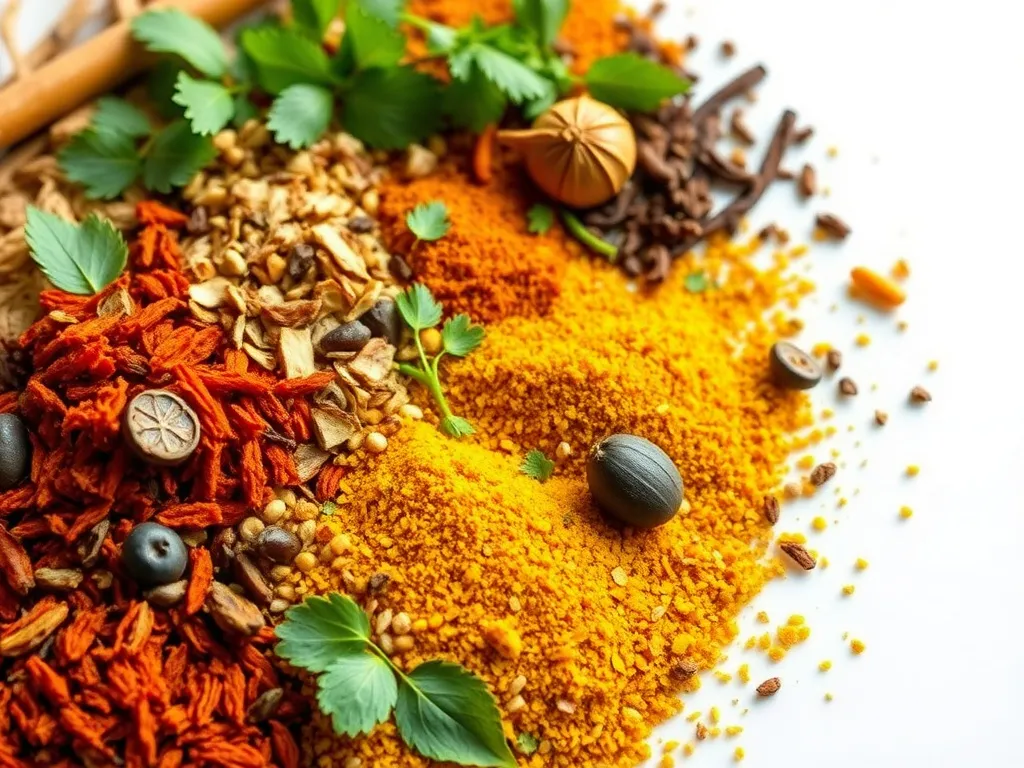
Dive into Bali’s kitchen with highlights like babi guling (suckling pig), lawar (mixed veggies with coconut and minced meat), and the island’s unique spice mixes. Each dish honors local tradition and provides a unique dining experience. Many recipes start with base genep, a fragrant spice paste of shallots, garlic, turmeric, galangal, candlenuts, and chilies—an aromatic backbone that ties the island’s diverse dishes together and invites countless regional and family variations, including seafood or vegetarian twists.
- Babi Guling: This dish has a special place in Bali and is served at ceremonies and important events. Its crispy skin and tender meat are loved by locals and tourists alike. Go early, as the best cuts can sell out before noon, and don’t skip the crackling (kulit) or the spice-laden vegetable sides that balance the richness. Many warungs offer set plates, making it easy to sample a little of everything in one satisfying serving.
- Lawar: A common dish in traditional Balinese homes, lawar combines vegetables, coconut, and minced meat, seasoned with flavorful spices and herbs. Varieties include lawar putih (lighter, with coconut) and lawar merah (richer and spicier), plus versions made with jackfruit or green beans for a satisfying crunch. While some traditional preparations include fresh blood, many modern eateries offer fully cooked, traveler-friendly versions without compromising depth of flavor.
- Sate Lilit: Ground meat mixed with coconut, herbs, and spices, wrapped around lemongrass sticks for a smoky, fragrant taste you won’t forget. Fish-based sate lilit is especially beloved along the coast, where the sweetness of fresh catch pairs perfectly with grated coconut. Grilled over coconut husks for delicate char, it’s often served with sambal matah—a raw shallot and lemongrass relish that adds zing and perfume in every bite.
- Martabak Manis: A sweet pancake filled with chocolate, cheese, or banana, and a favorite treat among locals. Known in some places as terang bulan, it can be crisp at the edges and gooey in the middle, with toppings like crushed peanuts, condensed milk, or pandan-scented batter. It’s a late-night indulgence best enjoyed hot, sliced thick, and shared among friends.
A Schedule for the Food Enthusiast: Must-Visit Tour Experiences
To truly enjoy Bali’s tastes, think about a planned food tour. The following options offer rich tastings and insights into Balinese food culture. Space your tastings across the day, drink plenty of water, and embrace small portions so you can sample widely without missing the highlights. A little planning around traffic and temple festival times can also add delightful, unexpected encounters.
Morning Delight: Hidden Rice Terraces Walk
Begin your day with the Hidden Rice Terraces Trek near Kerobokan. This calming walk meanders through lush fields, providing a glimpse of Bali’s farming skills and a chance to taste fresh produce at a local market. It’s a lively morning and a genuine slice of rural life. Arrive just after sunrise to see farmers tending Subak irrigation channels and to sample seasonal fruits like snake fruit or mango, followed by a simple breakfast of coffee and sticky rice at a humble roadside stall.
Evening Treat: Bali Heritage Food Tour
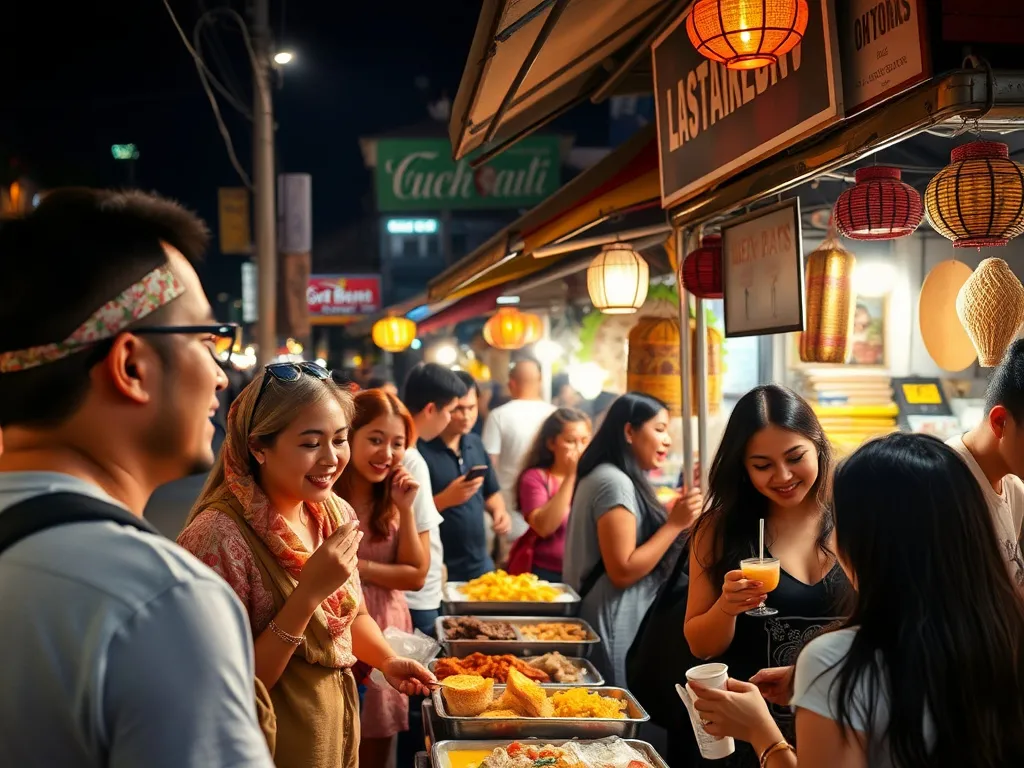
As the day ends, join the Bali Heritage Food Tour in Seminyak. Dine at lively warungs and street stands, tasting favorites like babi guling and soto ayam. The tour highlights local flavors alongside their cultural importance. You’ll learn how broths are layered for depth, how spice levels can be tailored, and why staples like nasi campur reflect everyday Balinese dining—balanced, varied, and bursting with color and texture.
Ubud Traditional Night Market Food Tour
The Ubud Traditional Night Market Tour immerses you in the vibrant energy of local markets, with tastings of traditional sweets and shared meals. Perfect for those staying in Ubud, it brings you closer to Bali’s food heart. Seek out jaja Bali (colorful rice cakes), palm-sugar-filled klepon, and savory snacks hot off the griddle, and carry small cash for quick stops. Vendors appreciate a smile, patience, and a few Balinese words.
Bali Bites: Denpasar’s Flavorful Streets
Join the Bali Bites Food Tour for a broad tasting in Denpasar. With over 15 dishes to try, you’ll explore hidden lanes and chat with dedicated vendors and chefs. It’s the best choice for those wishing to expand their palates. Expect tangy rujak with fish-stock dressing, peanuty tipat cantok, and bakery treats that hint at Chinese-Balinese influences. The route is designed for flavorful grazing and easy conversation between stops.
Culinary Tips and Advice for a Unique Experience
If you want to get the most out of your food adventure in Bali, consider these tips from local chefs and experienced travelers: they’ll help with timing, etiquette, and comfort while keeping curiosity at the center of your journey.
- Venture Beyond the Guidebook: Ask your guide for personal favorites and secret spots not on the plan. Follow your nose down side streets, peek into bustling pasar pagi, and try seasonal specialties—like mangosteen in the wet season or smoky corn by the beach at dusk.
- Connect with Local Chefs: Many chefs are happy to share the stories and ideas behind their dishes—these chats often uncover age-old traditions. Ask about family spice pastes, grilling techniques, or the balance of sweet, sour, salty, and spicy that defines Balinese plates.
- Mindful Eating: While enjoying, be aware of dietary needs and inquire about ingredients if uncertain. Bali’s cuisine is rich in spices and tastes that might be unfamiliar. Communicate spice tolerance clearly, watch for allergens like peanuts or shellfish, choose busy stalls with high turnover, and stick to filtered or bottled water to stay refreshed.
- Combine Experiences: Consider a cooking class, such as Ketut’s Bali Cooking Class in Ubud , to learn and taste at the same time. Pair it with a market visit to source herbs and chilies, or a gentle cycle through village paths for an appetite-building loop between tastings.
Conclusion: Relish the Island’s Essence through its Cuisine
Bali’s food tours offer more than meals—they are journeys through the island’s culture and heart. Whether you’re trying fiery sambal for the first time or learning the detailed process of making satay lilit, each experience is filled with history and passion. As you explore the diverse flavors and sites, you’ll find that Bali’s food trails are a gateway to understanding its essence. Each shared table supports local families, preserves recipes, and invites you into a living tradition where hospitality and flavor go hand in hand.
Start your food adventure and let your taste buds guide you through the wonderfully varied tapestry of Balinese cuisine. Book ahead during busy seasons, bring an open mind and a reusable water bottle, and dress modestly if your route passes temple grounds. With curiosity leading the way, every bite becomes a memory worth savoring.
Frequently Asked Questions
What can I expect from a food tour in Bali?
A food tour in Bali offers an exciting way to explore its diverse culinary landscape, featuring hidden market stalls and famous warungs. You’ll taste flavorful dishes, learn their stories, and enjoy the island’s beautiful scenery.
What are some signature dishes to try in Bali?
Must-try dishes include babi guling (suckling pig), lawar (mixed veggies with coconut and meat), and sate lilit (ground meat wrapped around lemongrass). Each dish reflects local traditions and offers a unique dining experience.
How do guided food tours enhance the experience?
Guided food tours help navigate language and etiquette, support small vendors, and highlight sustainable practices. They provide insights into the cultural significance of meals and ensure you experience the best of Bali’s food scene.
What is the Bali Heritage Food Tour?
The Bali Heritage Food Tour takes place in Seminyak and features tastings of local favorites like babi guling and soto ayam. It emphasizes the cultural importance of these dishes and teaches about their preparation and flavor profiles.
What should I bring to the Ubud Traditional Night Market Food Tour?
When visiting the Ubud Traditional Night Market, it’s advisable to carry small cash for quick purchases. Be prepared to sample traditional sweets and snacks, and engage with vendors with a smile and a few Balinese words.