
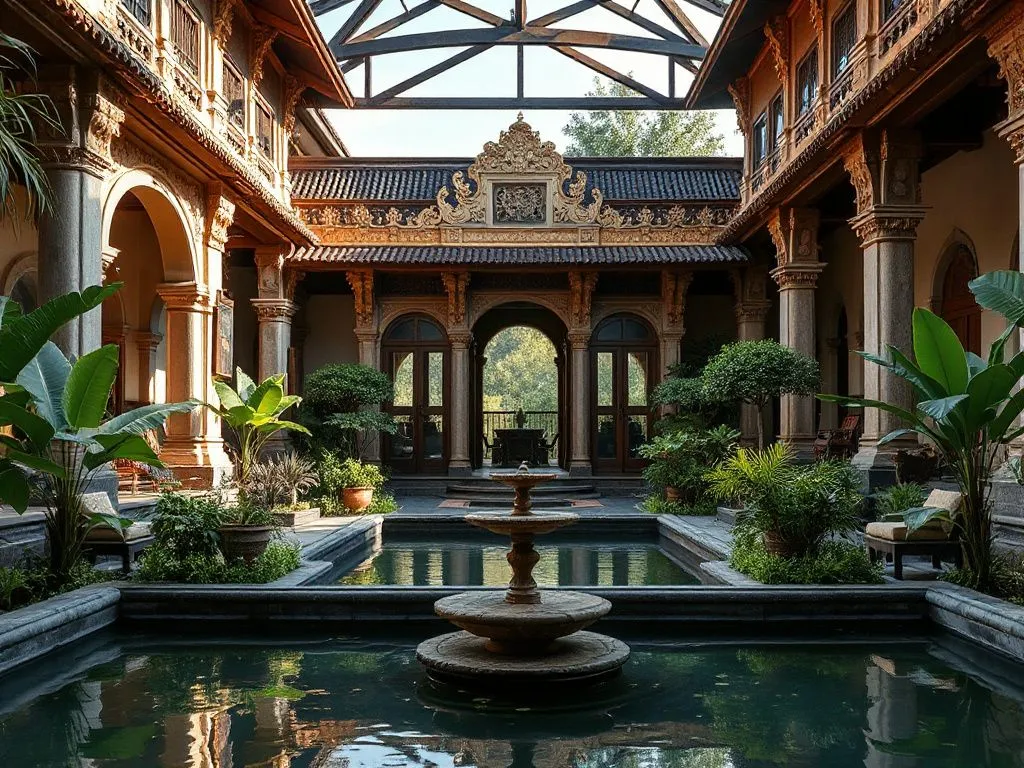
Bali’s secret royal legacy reveals the island’s cultural core beyond beaches and temples. With insider access to hidden palaces and estates, guests explore noble history through curated tours and performances. Many programs are arranged with palace custodians and descendants, opening rarely seen courtyards, heirloom textiles, and family shrines. You might witness a dusk gamelan rehearsal, taste festival dishes, or learn offering etiquette. The result is intimate, respectful travel that connects you with living culture rather than a postcard past.
Overview of Bali’s Royal Past and its Importance
Bali’s royal past grew from networks of kingdoms—Ubud, Karangasem, and Klungkung among them—whose courts shaped the island’s spiritual, artistic, and social life. Javanese court traditions mingled with local beliefs to produce distinctive dance, music, and ritual. Intermarriage, alliances, and royal patronage nurtured painting, sculpture, and literature. Despite political shifts and the colonial era, these traditions endured through ceremonies, community leadership, and Bali’s carefully maintained ritual calendar.
Royal palaces, called puri , were residences, seats of governance, and cultural hubs. Their open pavilions and courtyards align with sacred directions, with gateways, shrines, and audience halls balanced in form. Intricate carvings and gilded details reflect artisans working under royal patronage. Many palaces remain active centers hosting rehearsals, rituals, and educational gatherings. Visitors should wear a sarong and sash, speak softly, and follow hosts’ guidance—simple gestures that honor spaces still serving as spiritual and social anchors for local communities.
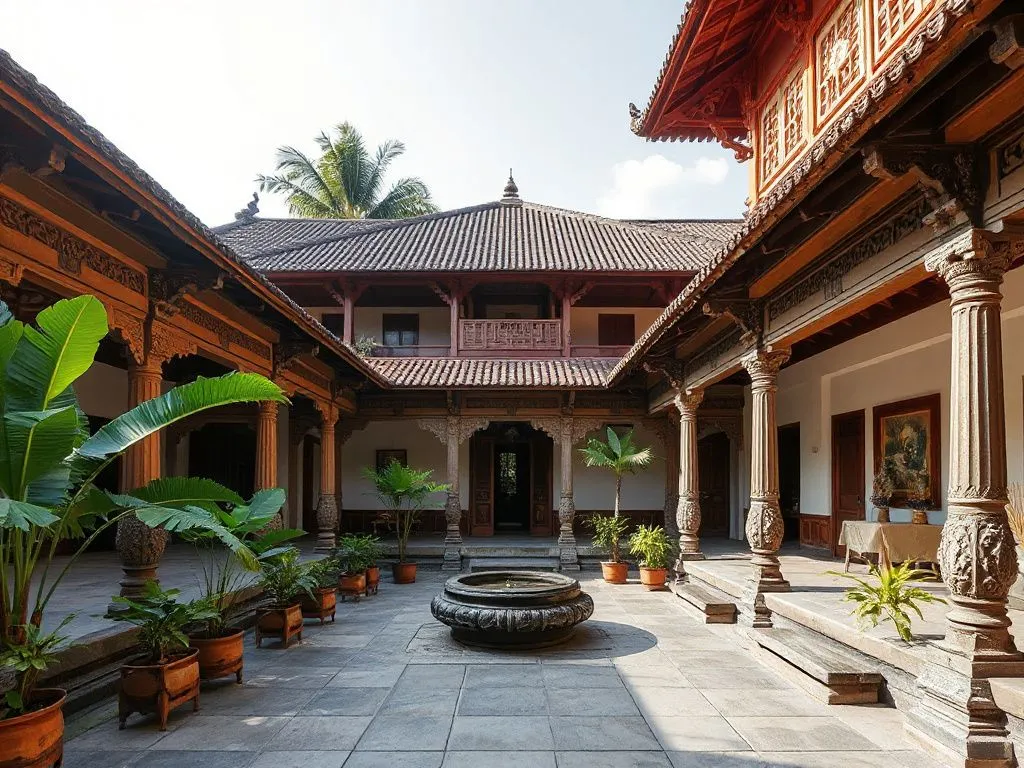
Profiles of Specific Hidden Royal Palaces and Historical Estates
One of the lesser-known royal sites is Puri Agung Karangasem in Amlapura. Blending Balinese, Chinese, and European motifs, it stands out in royal architecture. Pavilions display Kamasan-style panels narrating morality and justice, revealing how courts guided culture. Built amid creative experimentation, the complex features teak pavilions, arched windows, and latticework around serene courtyards. Caretakers share family histories and decode symbols in murals and ornaments, from mythic guardians to floral emblems of prosperity.
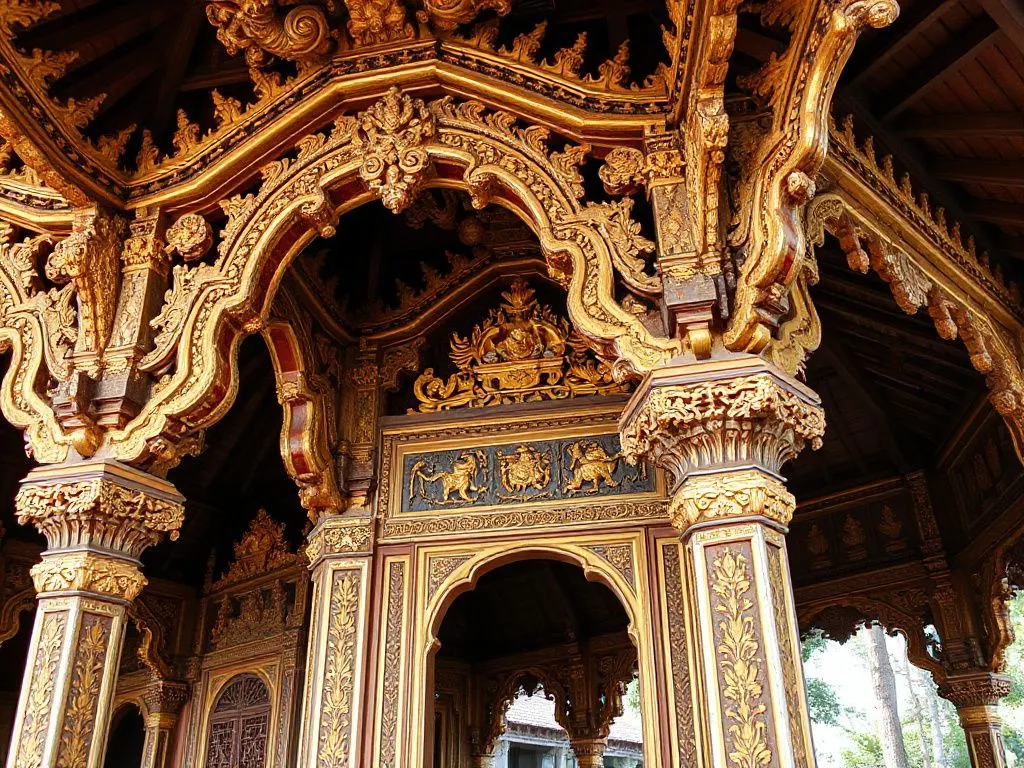
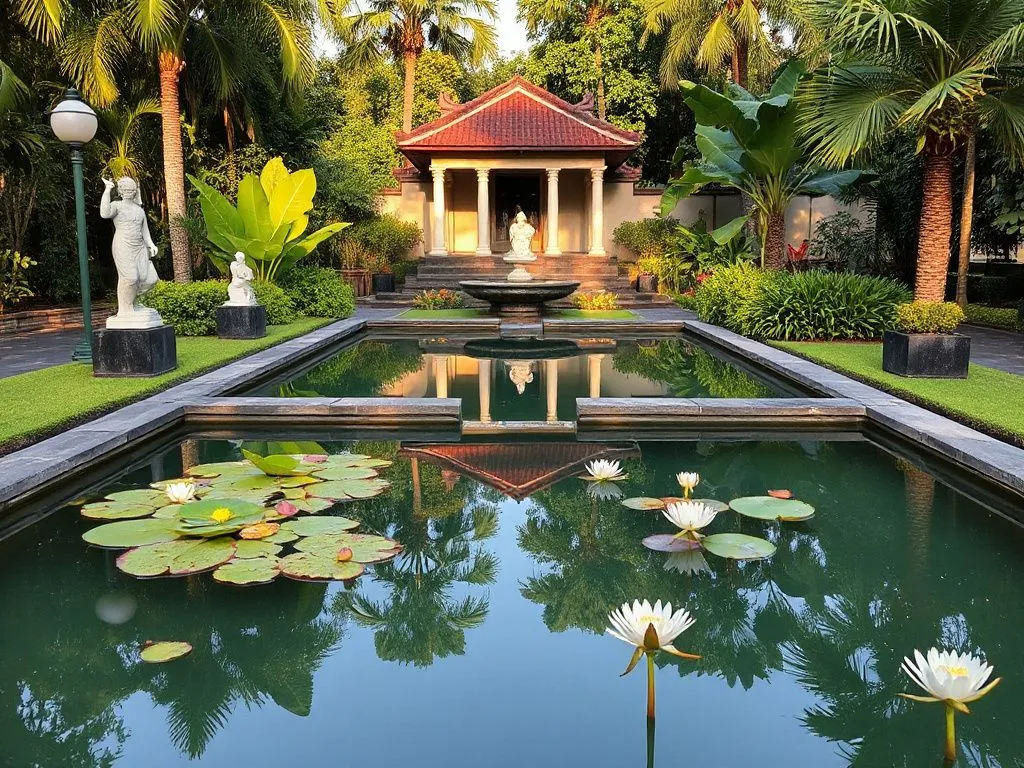
Another captivating site is the Tirta Gangga Water Garden , a royal retreat created in the 1940s by the former King of Karangasem. This spring-fed sanctuary of pools, statues, and fountains reflects a vision of restful beauty and spiritual resonance. Stepping stones lead past lotus beds and elegant sculptures; the waters, revered for purification, echo the garden’s name, drawn from a sacred river. Koi glide beneath stone paths as cascades set a calm rhythm. Visit at dawn or late afternoon for softer light and fewer crowds.
A further treasure, The Hidden Palace Bali , provides a special experience within Ubud’s rainforest. More than 600 artisans spent six years shaping this secluded estate, showcasing Indonesian craftsmanship in a tranquil setting ( ). Hand-carved doors, finely woven textiles, and curated art echo palace elegance while embracing the lush landscape. Stays can include private chefs, terrace dinners overlooking the jungle, or blessing ceremonies led by local priests—quiet rituals that elevate the experience.
Unique Experiences: Private Tours and Cultural Shows
Discovering Bali’s royal heritage is enriched by activities that offer both understanding and enjoyment. Private tours provide close-up encounters with royal traditions, allowing guests to see practices that have lasted through generations. These routes often include visits to heritage sites like the Ujung Water Palace and Sebetan village , known for snake fruit farming ( ). Days might weave from coastal gardens to hillside palaces, with pauses for Balinese coffee, village markets, and home-cooked lunches tied to festive recipes. Some itineraries add manuscript illustration, mask carving, or textile weaving, linking courtly aesthetics to the crafts that sustain them. Small groups keep the pace unhurried, while expert guides unpack symbolism in architecture and ceremony, turning each stop into a layer of insight rather than a simple photo opportunity.
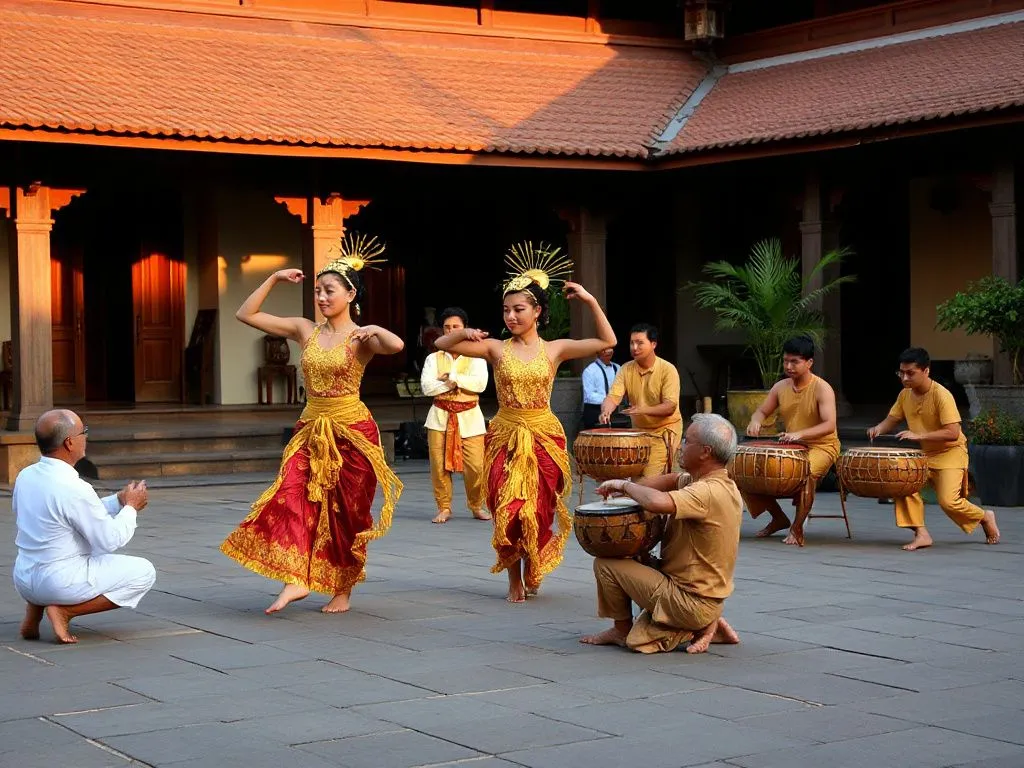
Traditional Balinese dance shows are another highlight, often hosted within these royal grounds. Such events honor Balinese artistry and retell the island’s history. Performances may include refined court dances noted for intricate gestures and expressive eyes, set to the shimmering pulse of gamelan. Costumes glint with gold thread, masks reveal archetypal characters, and storylines draw from epics and local lore. In a night courtyard scented with incense, it’s easy to feel how these arts both shaped and still express royal identity and communal devotion.
Adding Bali’s Royal Legacy to Your Travel Plan
For travelers seeking rich culture, including Bali’s secret royal heritage sites is essential. These visits offer rare insight that blends discovery with comfort and care. Time trips with temple anniversaries or full-moon ceremonies, when palaces and villages come alive with offerings, music, and dance. Dress codes matter—bring or borrow a sarong and sash—and always ask before photographing people or sacred spaces. With a thoughtful approach, each encounter becomes a respectful exchange benefiting hosts and visitors alike.
Travelers interested in exploring these secret royal treasures can use resources like iaminbali.com , which offers detailed guides and AI-powered recommendations to tailor your Bali journey. Use it to map palace visits alongside artisan villages and scenic routes, or to design a two-day arc from Karangasem’s water gardens to Ubud’s intimate courtyards. With smart planning, balance quiet garden mornings, immersive afternoons with craftspeople, and evenings beneath palace eaves as gamelan softly carries stories from Bali’s royal past.
Frequently Asked Questions
What can visitors expect from Bali’s hidden royal heritage experiences?
Visitors can expect curated tours of hidden palaces and estates, insider access to noble history, and opportunities to witness cultural performances, such as gamelan rehearsals and traditional dance shows.
What is the significance of Bali’s royal past?
Bali’s royal past is significant as it shaped the island’s spiritual, artistic, and social life through intermarriage, alliances, and royal patronage, resulting in a unique blend of Javanese court traditions and local beliefs.
What are some specific royal sites to visit in Bali?
Notable royal sites include Puri Agung Karangasem, known for its unique architecture, Tirta Gangga Water Garden, a serene royal retreat, and The Hidden Palace Bali, showcasing Indonesian craftsmanship.
How should visitors behave when visiting royal palaces in Bali?
Visitors should wear a sarong and sash, speak softly, and follow their hosts’ guidance to honor the spiritual and social significance of these spaces.
What types of activities can enhance the experience of exploring Bali’s royal heritage?
Activities such as private tours, traditional dance shows, and hands-on crafts like manuscript illustration and textile weaving can enhance the experience by providing deeper insights into royal traditions.
How can travelers plan their visits to Bali’s royal heritage sites?
Travelers can use resources like iaminbali.com for detailed guides and recommendations, allowing them to map visits to palaces and artisan villages while timing their trips with local ceremonies for a richer experience.