

Bali—famed for beaches and rich culture—is grappling with a mounting waste crisis that threatens its environment and tourism economy. Rivers carry plastic to the sea, and smoke from burning trash harms air quality. During monsoon months, currents push debris onto popular beaches, showing how land-based waste returns to shore. The challenge is complex but solvable. Travelers who understand the issue and back eco-friendly solutions can reduce impacts, protect livelihoods, and help keep the island beautiful.
Overview of Bali’s Waste Problem
The island’s waste surge is closely tied to booming tourism. The Suwung landfill, once a main disposal site, is near capacity and no longer accepts organic waste. Across Indonesia, landfill fires and overflows have exposed health and safety risks as toxic smoke and leachate spread. In response, illegal dumping and open burning have increased, degrading landscapes and air. Rivers clogged with plastic overflow more quickly during rains, and beaches—Bali’s main draw—require frequent, costly cleanups to stay swimmable.
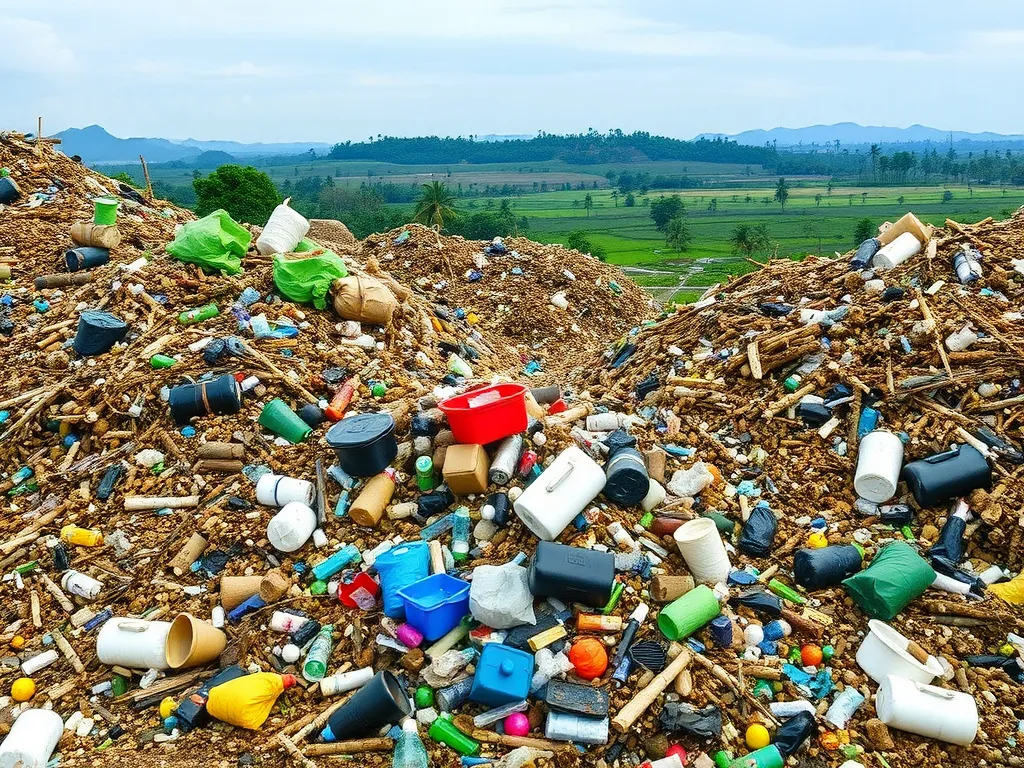
Tourism dramatically amplifies waste. The National Research and Innovation Agency estimates tourism generates three to five times more waste than local households [straitstimes.com] . Think disposable water bottles, mini toiletries, takeaway containers, and delivery packaging—all rising with visitor numbers. When collection systems are strained, discards get mixed or burned, undermining recovery and recycling. Seasonal surges around holidays overwhelm village stations, pushing more trash into waterways and informal dumps.
Practical Steps Travelers Can Take to Minimize Waste
Small daily choices help. Consider these steps:
- Cut Down on Single-Use Plastics: Carry a reusable bottle, say no to straws and bags, and use a tote. Refill stations are common at cafes, studios, and hotels—ask at check-in. Bring travel cutlery and a compact container for snacks or leftovers. “Tanpa sedotan, terima kasih” (no straw, thank you) signals your preference. Skip tiny amenity bottles by bringing toiletries or using refillable dispensers.
- Recycle Properly: Sort waste where bins exist: organics separate from clean, dry recyclables (plastic bottles, glass, metal). Rinse containers to prevent contamination. Ask staff about “bank sampah” (community waste banks) or drop-off points for specific materials. If instructions are unclear, a quick question can improve sorting and collection.
- Support Green Businesses: Choose venues with refillable water, reusable service ware, and visible sorting. Look for certifications, sustainability policies, or on-site composting. When booking, ask if linens are changed on request and whether food scraps are composted. Consumer interest nudges more properties to adopt best practices.
- Educate and Set an Example: Share tips with travel companions, praise low-waste efforts in reviews, and post refill or bulk-store locations. Lead with respect—modeling good habits usually has more impact than criticism.
These practices reduce waste and encourage broader change. For instance, refilling a 1‑liter bottle instead of buying four 250‑ml bottles each day avoids about 28 plastic bottles in a week. Multiply that by thousands of visitors, and the effect is substantial.

Local Efforts Supporting Sustainability
Local groups are advancing practical, community-based solutions:
- Merah Putih Hijau (MPH): MPH supports a circular economy by helping villages build sustainable waste systems and linking them with hotels and restaurants [insideclimatenews.org] . Programs emphasize household sorting, village-scale composting for organics, and recovery of recyclables—creating local jobs and revenue. By connecting businesses to community facilities, MPH ensures tourist discards are managed and, where possible, turned into compost or new products instead of being dumped or burned.
- Sustainable Tourism Practices: Hotels and villas are running waste audits, setting reduction targets, and processing organics on-site, easing pressure on landfills [bali.live] . Many use biodigesters or composting, switch to refillable amenities, and phase out disposables. Some compact recyclables for transport, and staff are trained to sort consistently. Publishing diversion rates lets guests see their stay’s footprint shrink.
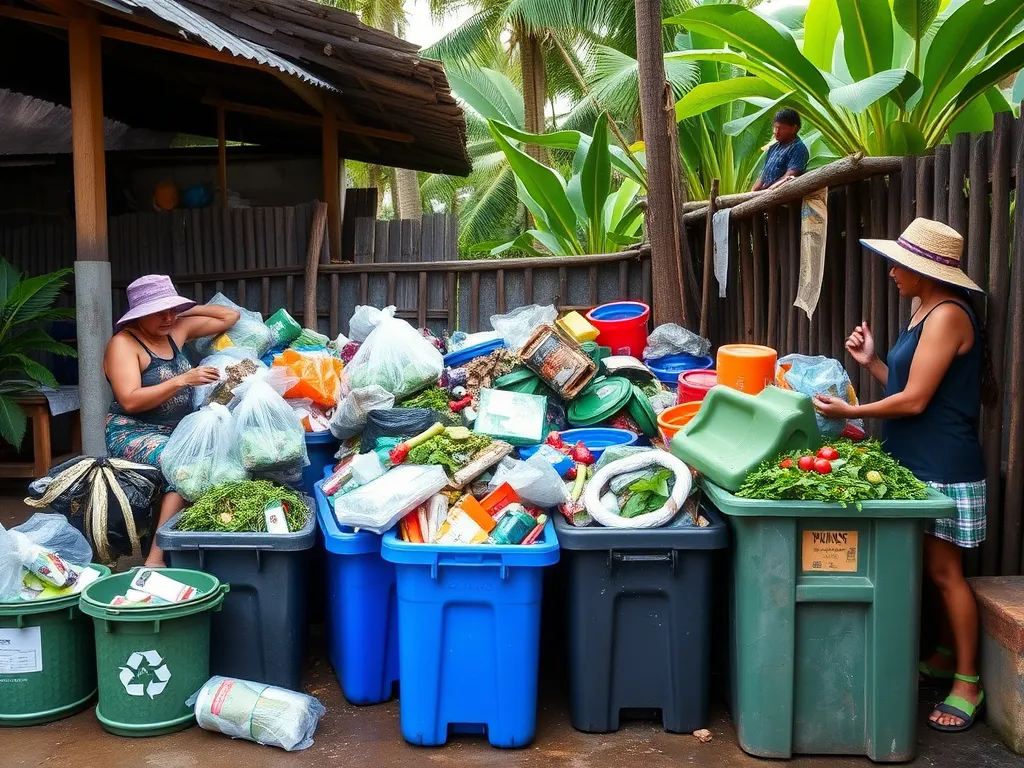
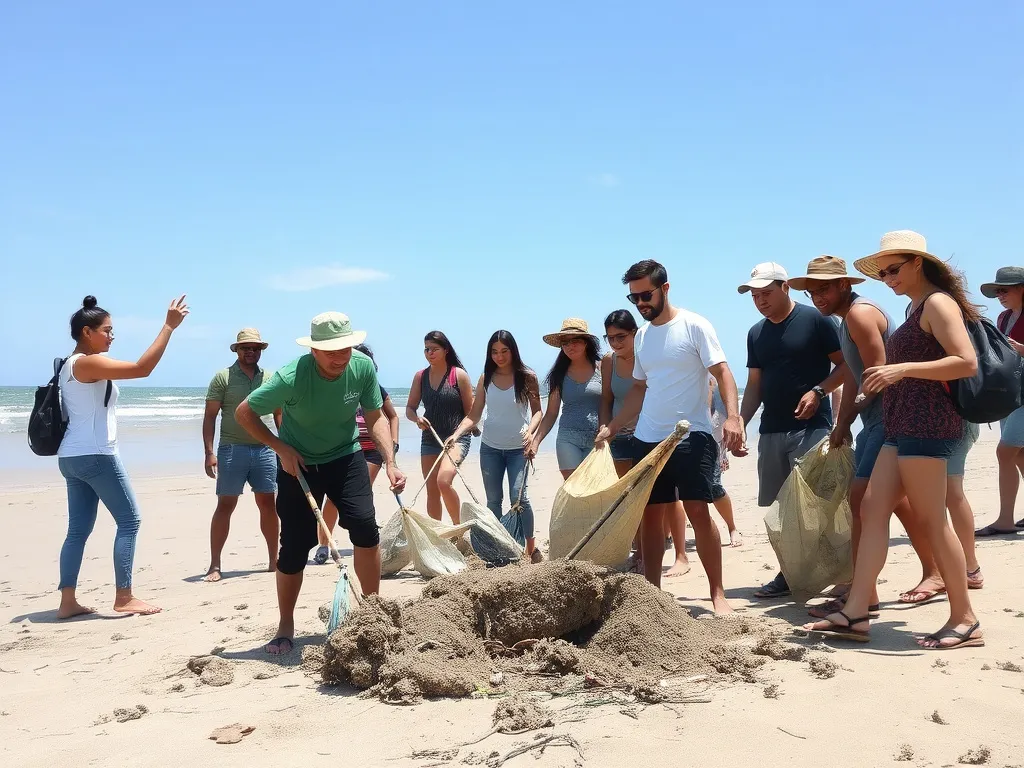
Supporting these efforts turns visits into direct contributions to better waste management. Join a beach cleanup, donate to community projects, or choose and tip properties that invest in waste crews. When travelers reward good practice, responsible management becomes a competitive advantage.
Tourism’s Impact and Needed Changes
Uncontrolled waste is visible in tourist hubs, where trash piles disrupt daily life and scenery. Light plastics blow from streets to drains to the sea, entangling marine life or breaking into microplastics that contaminate sand and seafood. Professor I Putu Anom of Udayana University calls for urgent action to protect Bali’s tourism-dependent economy [straitstimes.com] . Priorities include separating waste at the source, educating tourists on eco-friendly behavior, and strengthening zero-waste policies. Enforcement against open burning and illegal dumping, paired with incentives for reuse and refill, can cut health risks and cleanup costs. Producers should redesign packaging and back deposit-return schemes to keep materials in circulation.
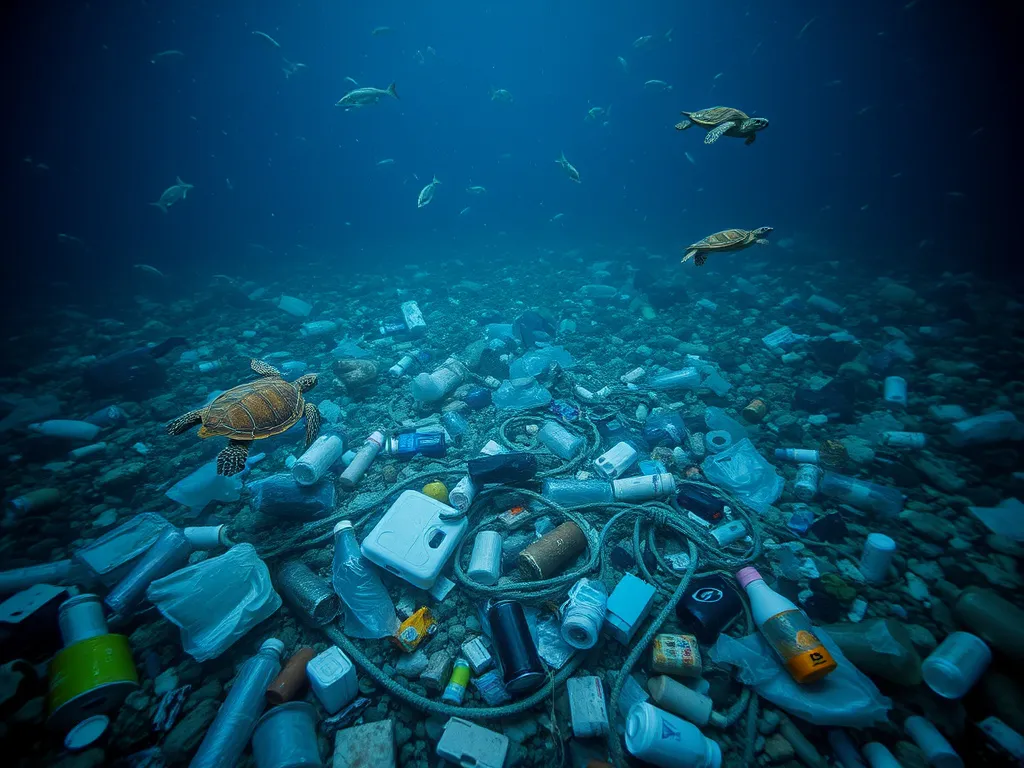
Long-term progress requires integrated systems focused on reduction and recycling [abc.net.au] . Village-scale organics facilities, standardized color-coded bins in tourism zones, and data-driven collection routes can raise diversion and trim costs. Collaboration among hotels, restaurants, and local authorities—especially during peak seasons—helps stabilize collection and prevent overflow. Education in schools and hospitality training can normalize new habits, making separation and reuse second nature for residents and visitors.
Empowering Travelers with Knowledge and Action
Travelers can reduce waste by packing a bottle, tote, utensils, and a small container; using solid shampoo bars; and choosing reef-safe, low-plastic sunscreen. At check-in, opt out of daily linen changes, request cleaning on demand, and confirm where to sort your waste. Choose dine-in over takeaway when possible, or bring your own container.
Thoughtful choices—refilling water, refusing straws, skipping daily toiletries, and sorting waste—keep dozens of items out of Bali’s strained system in a single week. Share a kind word when you see good practices, and ask gentle questions when you don’t; staff are often eager to improve and respond to guest interest. As Bali navigates these challenges, travelers can help steer outcomes toward a more sustainable future for communities and the industry.
By acting responsibly and staying informed, tourists can limit waste impacts and help ensure Bali remains a cherished destination. Travel shapes places; when visitors reward reuse, repair, and responsible management, those practices spread. With consistent choices and respectful engagement, every trip can leave a lighter footprint—and help Bali’s shores shine brighter.
Frequently Asked Questions
What is the main cause of Bali’s waste crisis?
Bali’s waste crisis is primarily driven by booming tourism, which generates three to five times more waste than local households. This surge in waste is exacerbated by inadequate waste management systems and illegal dumping practices.
How can travelers help reduce waste in Bali?
Travelers can minimize waste by cutting down on single-use plastics, recycling properly, supporting green businesses, and educating others about eco-friendly practices. Simple actions like using reusable bottles and avoiding disposable items can have a significant impact.
What are some practical steps travelers can take to minimize their waste?
Travelers can carry reusable bottles, refuse straws and plastic bags, use travel cutlery, and sort their waste properly. They should also seek out businesses that prioritize sustainability and share low-waste tips with others.
What local efforts are being made to address Bali’s waste crisis?
Local groups like Merah Putih Hijau (MPH) are working to create sustainable waste systems, promote household sorting, and connect businesses with community facilities. Additionally, many hotels are implementing waste audits and composting practices.
What are the environmental impacts of Bali’s waste problem?
Bali’s waste issue leads to visible trash in tourist areas, harming the landscape and marine life. Plastics can break down into microplastics, contaminating sand and seafood, which poses health risks and threatens the island’s tourism-dependent economy.
What long-term solutions are suggested for Bali’s waste management?
Long-term solutions include establishing integrated waste management systems focused on reduction and recycling, standardized waste bins, and collaboration among hotels, restaurants, and local authorities to improve collection and prevent overflow.