

In Bali, sustainable travel is transforming tourism through eco-friendly practices grounded in local cultural principles. The island strives to lessen its environmental impact while promoting cultural preservation among both visitors and locals.
An Introduction to Sustainable Travel in Bali
Sustainable travel in Bali focuses on conserving resources, protecting local traditions, and enhancing community well-being. This approach ensures tourism benefits locals and preserves the island’s natural beauty for future generations. Visitors are encouraged to engage thoughtfully and responsibly in this movement.
Known for its lush landscapes and lively traditions, Bali is naturally suited for sustainable tourism. With a focus on eco-certification and community-driven initiatives, the island promotes a greener model that reduces waste and celebrates local culture.
Eco-Friendly Accommodations and Their Initiatives
Many of Bali’s accommodations lead by example, integrating sustainability into everyday operations. From energy-saving systems to eco-conscious design, these properties prioritize environmental practices.

- Bambu Indah : A leader in eco-luxury, Bambu Indah uses reclaimed teak and bamboo architecture, focusing on zero-waste operations. Its efforts include permaculture farming and eco-integrated architecture.
- Fivelements Retreat Bali : Known for its plant-based wellness approach, this retreat combines holistic treatment with sustainable design, including waste reduction systems and cultural preservation.
- Alila Ubud : Using local materials and supporting community-based projects, Alila Ubud emphasizes cultural conservation and energy efficiency.
- Buahan, A Banyan Tree Escape : With a “no walls, no doors” concept, this retreat blends with the natural surroundings, focusing on local sourcing and conservation efforts.
Choosing these accommodations supports the island’s eco-friendly goals while offering a stay immersed in nature-focused hospitality.
Actionable Tips for Engaging in Sustainable Travel
Travelers can adopt simple, impactful habits to help protect Bali’s environment and cultural heritage. Here are practical tips to enhance your eco-friendly experience:
- Choose Responsible Tour Operators : Opt for tour companies that adhere to conservation guidelines, support local communities, and focus on minimal environmental impact.
- Use Eco-Friendly Products : Avoid single-use plastics by bringing reusable water bottles, bags, and utensils. Use reef-safe sunscreens to prevent coral damage.
- Engage in Local Conservation Programs : Participate in activities like beach clean-ups, tree planting, or marine conservation efforts to directly contribute to environmental protection.
- Support Local Businesses : Enhance your trip by dining at locally-owned restaurants, purchasing from artisan markets, and engaging in community-based tourism activities.
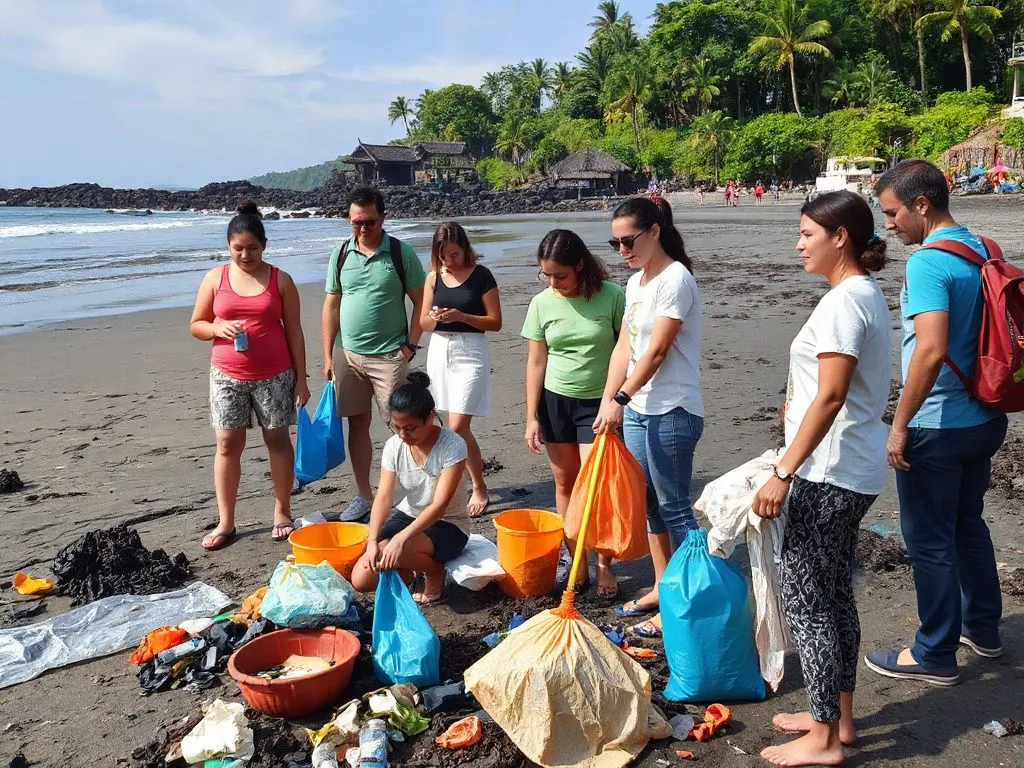
By following these tips, travelers can meaningfully reduce their ecological footprint and support Bali’s shift toward sustainable tourism.
Integrating Balinese Culture with Sustainable Practices
Bali’s sustainable tourism is closely tied to Balinese cultural values, especially the philosophy of Tri Hita Karana—seeking harmony among people, nature, and the spiritual realm. This alignment creates a unique, culturally rich travel experience.

An example is the widespread adoption of eco-certification and community tourism models that blend traditional wisdom with modern sustainability practices. As Mango Tiger DMC highlights, initiatives such as permaculture farm immersions and reforestation connect cultural preservation with environmental responsibility.
The Role of Digital Technologies in Promoting Sustainable Tourism
Digital innovation plays a crucial role in advancing sustainable tourism in Bali. Tools such as e-ticketing, digital waste management, and eco-friendly apps make sustainable choices easier and encourage traveler participation in eco-initiatives.

According to the Journal of Tourism Economics and Policy , smart systems improve the efficiency and transparency of sustainable practices while engaging tourists through digital storytelling and user-generated content. This aligns with Bali’s broader vision of leveraging technology to enhance sustainable tourism.
Why the Green Shift Matters
The green shift toward sustainable travel in Bali is crucial for protecting the island’s unique cultural and natural highlights. It offers a clear model for balancing tourism growth with environmental stewardship and cultural integrity.
Sustainable options exist across price points, from luxury to budget stays, showing that eco-conscious travel isn’t limited to high-end tourists. As GoBackpacking states, even budget travelers can contribute meaningfully by making mindful decisions that support the island’s sustainability goals.
Conclusion: Embrace Bali’s Sustainable Tourism
Sustainable travel in Bali isn’t just a trend—it represents a dedicated commitment to preserving its exceptional ecological and cultural landscapes for future enjoyment and exploration. Every decision, from your hotel choice to your daily activities, can support this shift.
For more insights and recommendations to enhance your eco-friendly journey in Bali, consider browsing the resources available on iaminbali.com . Embrace responsible travel and make a positive impact during your stay on the Island of the Gods.
Frequently Asked Questions
What is sustainable travel in Bali?
Sustainable travel in Bali focuses on conserving resources, protecting local traditions, and enhancing community well-being. It aims to ensure that tourism benefits locals and preserves the island’s natural beauty for future generations.
How can travelers engage in sustainable practices while visiting Bali?
Travelers can adopt simple habits such as choosing responsible tour operators, using eco-friendly products, engaging in local conservation programs, and supporting local businesses to enhance their eco-friendly experience.
What are some eco-friendly accommodations in Bali?
Notable eco-friendly accommodations in Bali include Bambu Indah, Fivelements Retreat Bali, Alila Ubud, and Buahan, A Banyan Tree Escape, each focusing on sustainability through design, community support, and environmental practices.
How does Balinese culture relate to sustainable tourism?
Bali’s sustainable tourism is closely tied to cultural values like the philosophy of Tri Hita Karana, which seeks harmony among people, nature, and the spiritual realm, blending traditional wisdom with modern sustainability practices.
What role do digital technologies play in promoting sustainable tourism in Bali?
Digital technologies enhance sustainable tourism in Bali through tools like e-ticketing and digital waste management, making sustainable choices easier and engaging tourists in eco-initiatives through digital storytelling.