
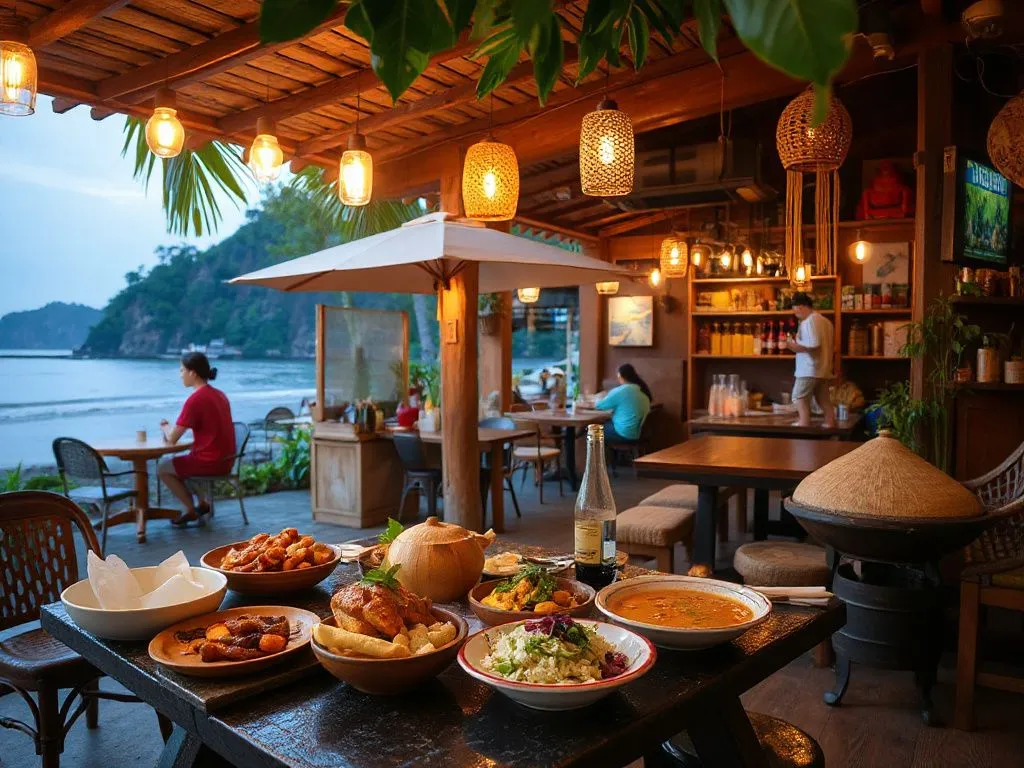
Bali’s food scene is as diverse as its landscapes, with rewards beyond the usual restaurant circuit. Hidden dining treasures serve up flavors rooted in local culture, mixing tradition with creativity for curious eaters. Picture roadside warungs with smoky satays, beachside grills scented by the sea, and mountain cafés where coconut curries simmer beside wood-fired ovens. More than menus, these places invite slower, personal meals—chats with owners, recipes handed down, and plates that reflect the season, the village, and the cook’s story. Prices are often modest, and splurges feel earned by the journey.
Understanding “Hidden Treasure” Dining in Bali
These spots pair authenticity with imagination in tucked-away settings, often far from tourist hubs. You might follow a lane past rice fields, slip through an unmarked gate, or settle in a shaded pavilion by a stream. You may share a long wooden table with neighbors, or dine on a simple veranda open to birdsong. Reservations are casual, seating is limited, and menus change with the market or garden. Pre-ordering a signature dish can help when cooking requires hours. Cooking leans on charcoal and clay pots, the pace is unhurried, and flavor—not flash—leads the way.
Embracing them means eating where locals eat and observing village rhythms: pausing for ceremonies, removing shoes when asked, and accepting the occasional “closed today.” The reward is intimacy—shared tables, tips for taming a fiery sambal, and why certain dishes appear in certain seasons. If you have dietary needs, ask kindly; many home kitchens can adapt with a little time.
A Curated List of Unseen Culinary Delights
Set aside an easy afternoon, carry small cash, and allow time for winding roads. Early dinners catch golden light; late lunches avoid the midday rush. Share your location pin when arranging rides, as signage can be sparse.
Oemah Sari Home Resto
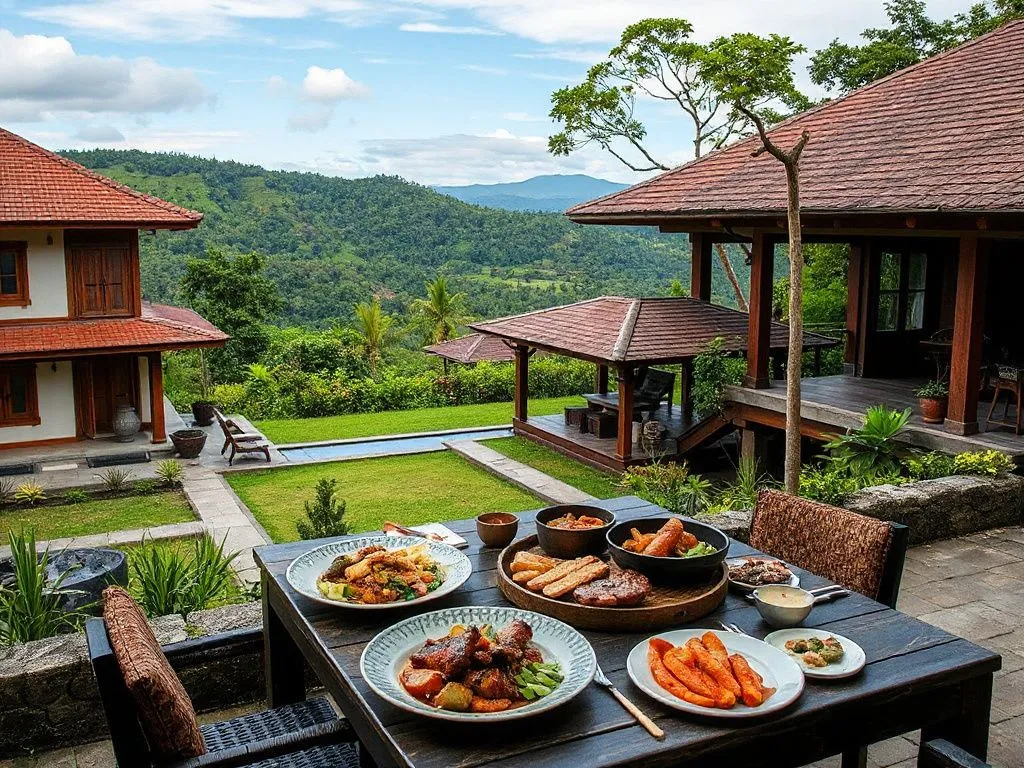
Set inside a family compound, Oemah Sari Home Resto offers intimate meals over a quiet valley. The menu highlights Balinese and Indonesian dishes made from homegrown and local ingredients, prepared and served like you’re a guest at home. Expect ayam betutu slow-roasted in banana leaves, sate lilit of minced fish and coconut, and crisp lawar with lime and herbs, plus a punchy sambal matah. Seating is limited and food is cooked to order, so message ahead; vegetarians are often accommodated with garden vegetables and young jackfruit. House-made teas, fresh coconut, and simple desserts like black rice pudding round things out.
Maya’s Pizza
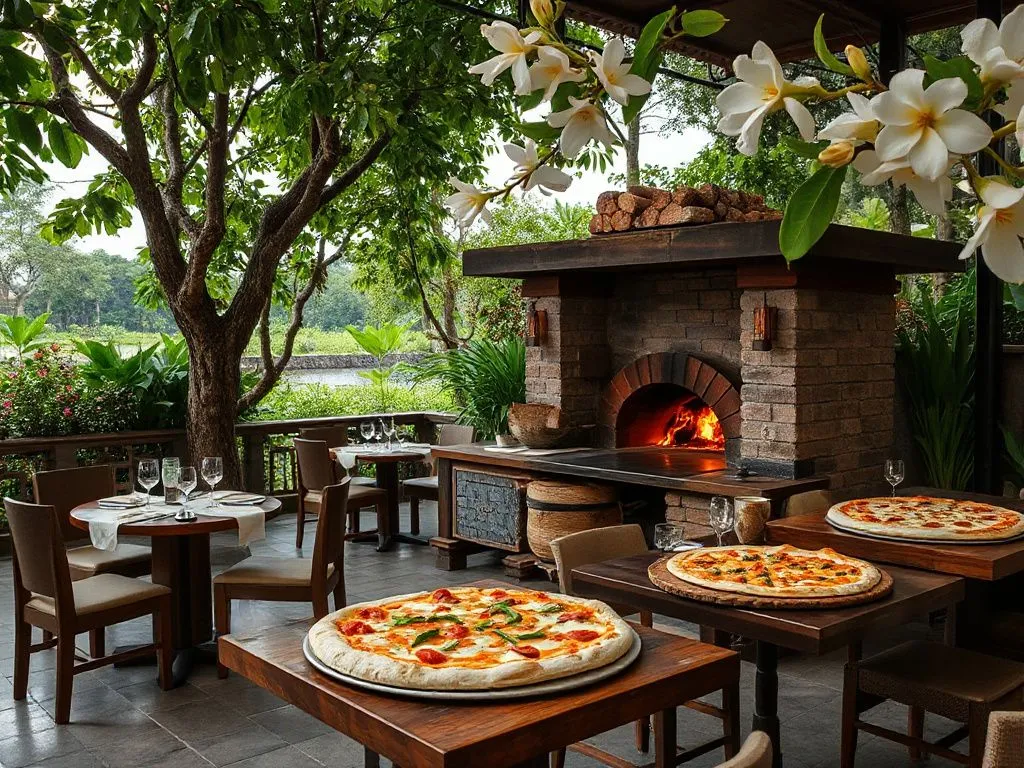
Despite its name, Maya’s Pizza serves far more than pizza near Busung Biu, blending Italian and Indonesian flavors amid lush greenery. A wood-fired oven anchors thin-crust pies with local tuna and basil or a mild sambal kick beside mozzarella. You’ll also find comfort dishes like fragrant mie goreng with garden herbs or a jackfruit rendang calzone, and light desserts such as coconut panna cotta with palm sugar. The scenic drive is part of the pleasure. Grab a seat under frangipani trees and linger; service follows an easy village rhythm.
Auntie Eny’s Warung
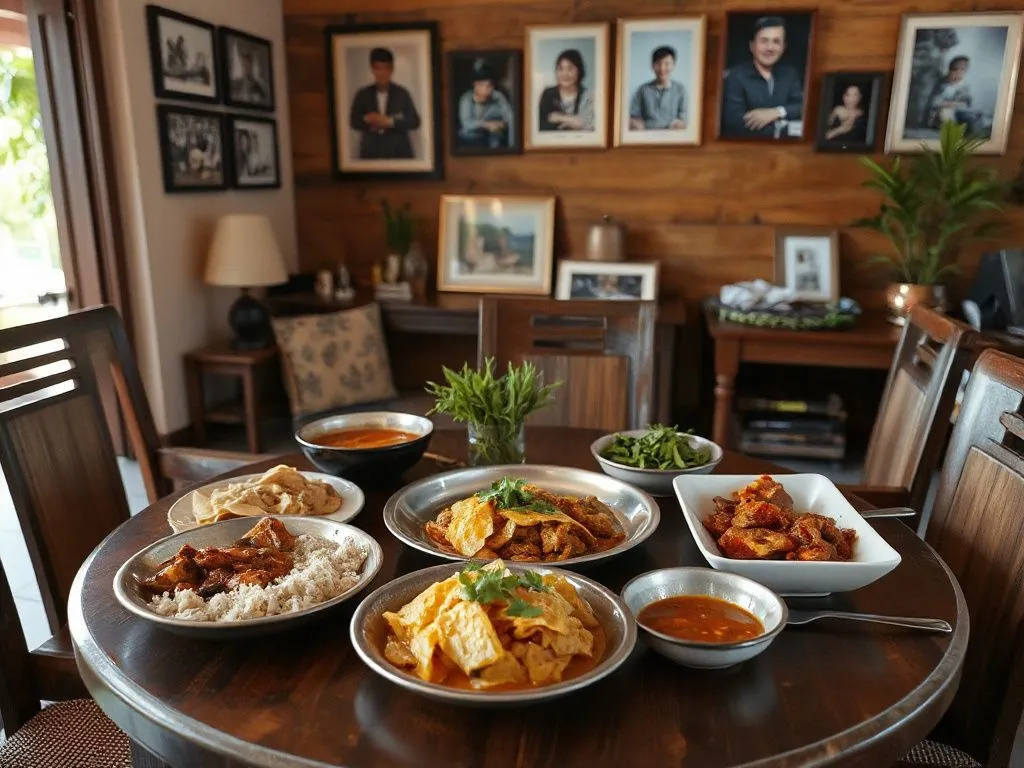
Located in Kerobokan, Auntie Eny’s Warung delivers genuine Balinese home cooking with straightforward seasoning. Order nasi campur and watch the plate fill with be siap pelalah (spicy shredded chicken), vegetables in grated coconut, and perfectly cooked rice; daily specials may include pork stews or grilled fish, with spice levels adjustable. The open kitchen and family photos set a cozy tone. Arrive early for lunch and bring cash. Ask for extra sambal matah or a ladle of warm broth if you like.
Rumari Counter
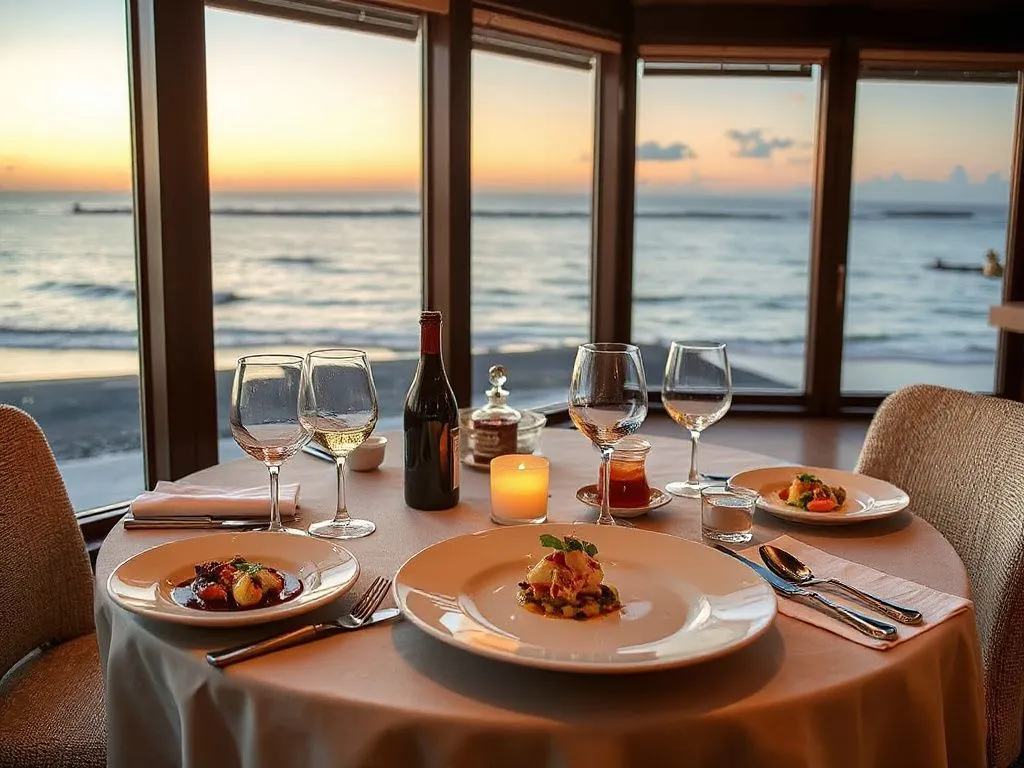
Nestled within Raffles Bali, Rumari Counter adds a fine-dining lens to local abundance with a rotating menu guided by the day’s catch. Expect chef-led courses that trace ingredients from mountain farms to coastal waters: reef fish cured with citrus and torch ginger, lobster kissed with coconut-husk smoke, heirloom rice with seasonal greens. Pairings might feature Indonesian arak alongside wines. Reserve in advance to secure a seat. Sunset over Jimbaran Bay sets the tone; smart-casual suits the relaxed elegance.
Cultural and Flavor Profiles that Define Uniqueness
Each hidden treasure offers flavors and cultural cues anchored in the island’s heritage. From spicy sambals and nuanced satays to humble tempeh with local herbs, the cuisine reflects agricultural richness. Many kitchens build from base genep—a spice paste of turmeric, galangal, ginger, shallot, garlic, candlenut, and pepper—then layer techniques like slow-braising, banana-leaf steaming, and coconut-husk grilling. Sambals vary: matah brings raw heat and citrus; embe leans sweet with fried shallots. Adjust your spice one spoon at a time.
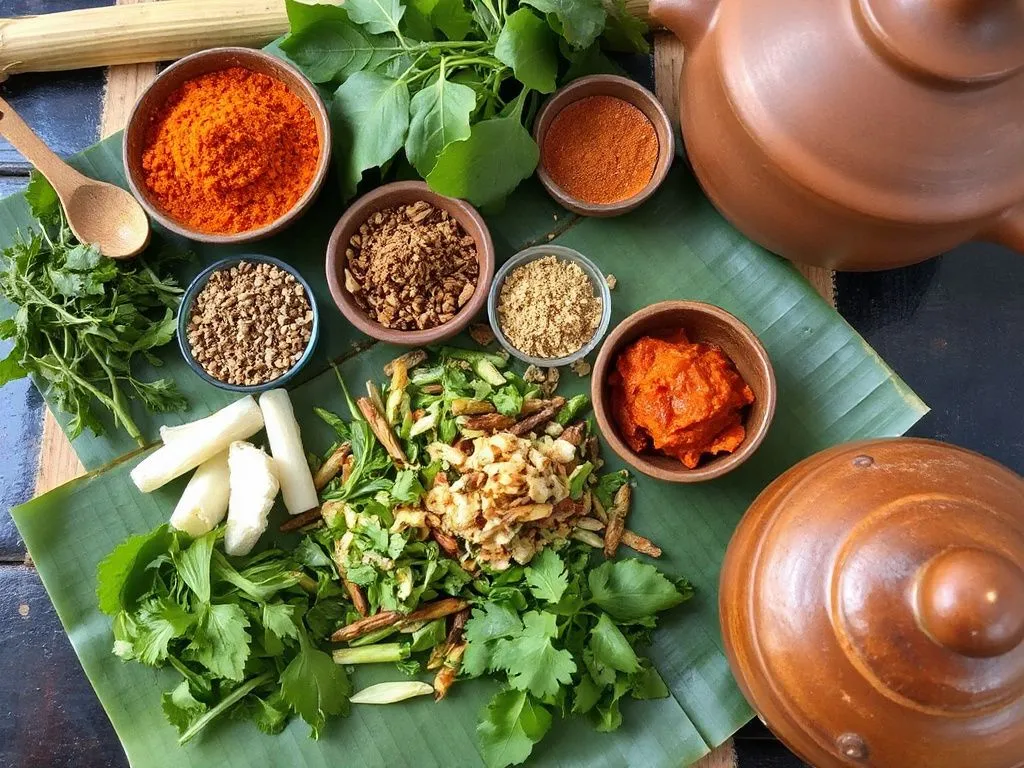
Menus often follow the season and the cook’s own touch. Rainy-season mushrooms might slip into coconut broth, torch ginger flowers brighten salads, and a glut of mackerel becomes the evening special. Temple days can change hours, and many kitchens minimize waste through nose-to-tail cooking and clever ferments. Plant-forward diners are well served with tempeh, tofu, and leafy greens taking star roles. Rice too tells stories—aromatic white for daily meals, nutty red and black for special occasions.
Tips for Discovering Hidden Dining Treasures
- Go Local: Ask residents—drivers, market vendors, baristas—for favorite spots. Share what you’re craving and spice tolerance, learn a simple greeting, and eat slightly off-peak for relaxed service.
- Stay Off the Beaten Path: Explore quieter areas with a scooter or patient driver, and download offline maps. Morning markets and dusk woodsmoke reliably lead to good food.
- Look for Intimate Settings: Family-run places offer personal, home-cooked meals. Respect house etiquette—shoes off if asked, soft voices near shrines—and be flexible if menus shift. Bring small cash and time.
- Experiment with Tradition: Seek traditional dishes with modern twists. Try sambals side by side, ask for the day’s special, and share plates to sample more.
Bali’s hidden dining treasures offer more than good food—they’re immersive experiences steeped in culture and hospitality. Venture beyond the mainstream, book ahead when possible, and leave no trace but an empty plate. Tip fairly and say thank you in Bahasa Indonesia—terima kasih. Here, great meals are as much about place and people as recipes. A little patience unlocks big flavors.
For more personalized recommendations on exploring Bali’s culinary secrets, visit iaminbali.com , your ultimate resource for in-depth travel insights and AI-powered guides tailored to your preferences. Explore curated maps, etiquette notes, and dish glossaries, and filter options by budget, region, and dietary needs. Use it to plan, then let serendipity lead you the final steps—from the main road to the unmarked doorway where the real flavors wait. Save places to an offline list, sync plans with companions, and use live translations to navigate menus and chat with hosts.
Frequently Asked Questions
What types of dining experiences can I find in Bali?
Bali offers diverse dining experiences, including roadside warungs, beachside grills, and mountain cafés. These hidden gems serve authentic local cuisine, often prepared with creativity and tradition.
How can I find hidden dining spots in Bali?
To discover hidden dining treasures, ask locals for recommendations, explore quieter areas, and look for family-run establishments. Being flexible with menus and dining times enhances the experience.
What should I expect in terms of dining atmosphere at these hidden gems?
Dining at hidden gems in Bali often involves intimate settings, such as shared tables or simple verandas, where you can enjoy meals while connecting with the local culture and rhythms.
Are there vegetarian options available at these dining spots?
Yes, many hidden dining spots in Bali can accommodate vegetarians, often using garden vegetables and young jackfruit in their dishes. It’s best to ask kindly about dietary needs.
What is the typical dining pace at these local restaurants?
The dining pace at these local restaurants is unhurried, allowing for a more personal meal experience. Food is often cooked to order, so it’s advisable to message ahead for signature dishes.
How do the menus at these hidden dining spots change?
Menus at hidden dining spots in Bali frequently change based on market availability and seasonal ingredients, reflecting the cook’s personal touch and local agricultural richness.