

Bali is a dream destination, yet surprise charges can inflate your budget. From transport add-ons to dining fees, knowing what to expect keeps costs predictable. This guide pinpoints common extras and shows simple ways to avoid them, so you keep the island’s spontaneity without overspending—and pay for value, not avoidable markups that catch many first-timers.
Hidden Transportation Costs
Getting around seems cheap, but extras add up. Grab and Gojek are convenient, yet surge pricing can spike fares at busy times, and unmetered taxis often overcharge—agree on a price first. Some hotspots (airport, parts of beach areas) restrict ride-hailing pickups, meaning a longer walk or pricier official taxis with fixed airport rates. Add small tolls on the Mandara Toll Road and parking at popular sights, and frequent hops can quietly raise your daily total. Use in‑app fare estimates or hotel desk quotes to benchmark what’s reasonable before you ride.
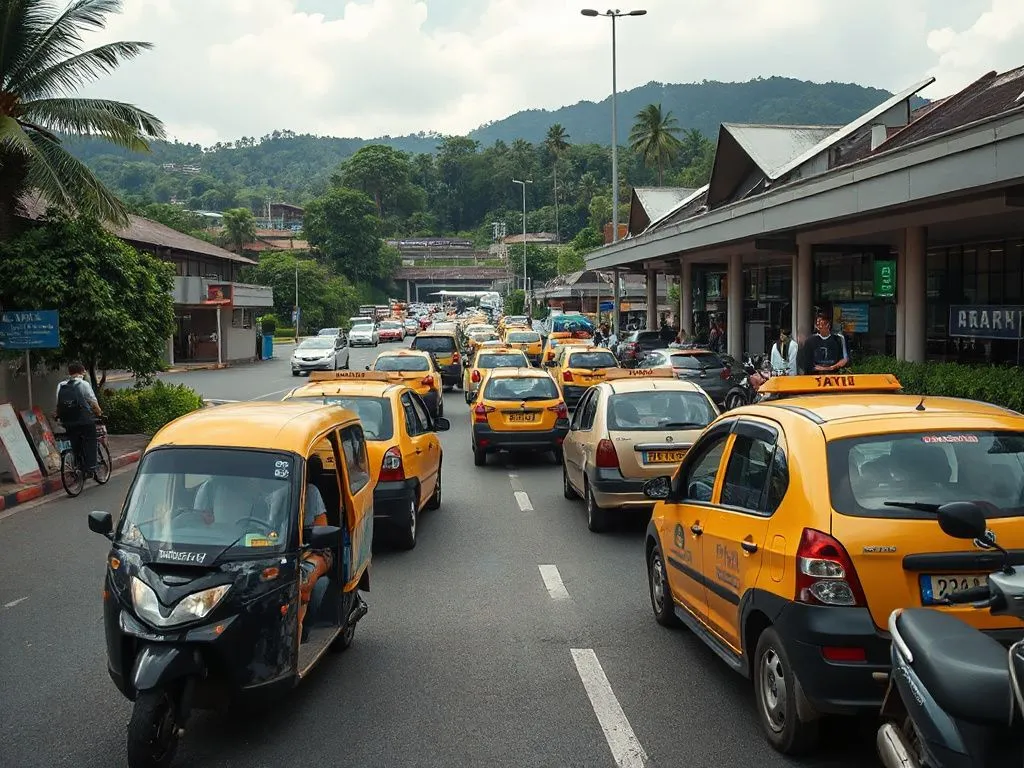
Scooters look cheap—IDR 60,000–80,000 a day—but fuel and IDR 2,000–5,000 parking per stop add up. A private driver can be negotiated to IDR 600,000–800,000 for a full day and shared to save. If you ride, carry an international driving permit and wear a helmet; police spot checks can mean instant fines. Confirm what the rental includes (second helmet, phone holder, rain poncho), and photo‑check existing scratches to avoid deposit disputes. Ask for a quick test to ensure brakes and lights work, and clarify delivery/pickup fees if the bike isn’t collected on‑site.
Accommodation Extras
Room rates often exclude a 10% government tax plus up to 10% service charge—sometimes totaling 21%. Resort fees can cover basics like Wi‑Fi or pool access even if you don’t use them. Watch for “++” (tax and service added) versus “nett” (all‑in). Extras—airport transfers, late check‑out, extra beds, or non‑included breakfast—raise the bill, and some villas separately meter AC or charge for daily cleaning.
For clarity, consider smaller guesthouses with simpler pricing. Before booking, confirm the all‑in total, any credit‑card surcharge (often 2–3%), required deposit and how quickly it’s returned, and whether breakfast is included. If using hotel laundry, get the per‑piece or per‑kilo rate first and compare with nearby laundries—often far cheaper for the same quality.

Dining Costs
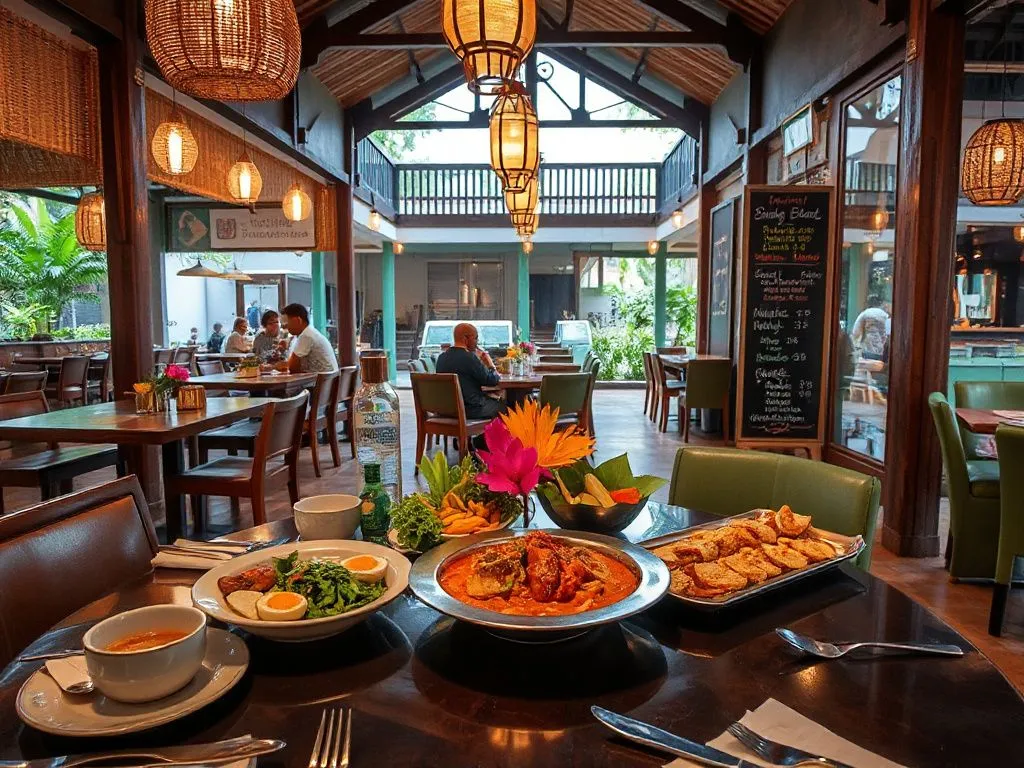
Local warungs are great value, but tourist restaurants usually add 10% tax plus 5–10% service—look for “++” on menus. Bottled water is rarely free, and some charge for filtered refills; ask before ordering or opening bottles. Paying by card may add a processing fee or require a minimum spend, which can turn a cheap meal into a pricier one.
Imported alcohol is heavily taxed; stick to local beer or fresh juices to save. Local dishes generally cost less than Western plates. At beach clubs and sunset spots, daybeds and minimum spends can be steep and often exclude tax and service. Tipping isn’t required; when a service charge is listed, any extra is optional—carry small notes for standout service or family‑run eateries.
Excursion and Activity Expenses
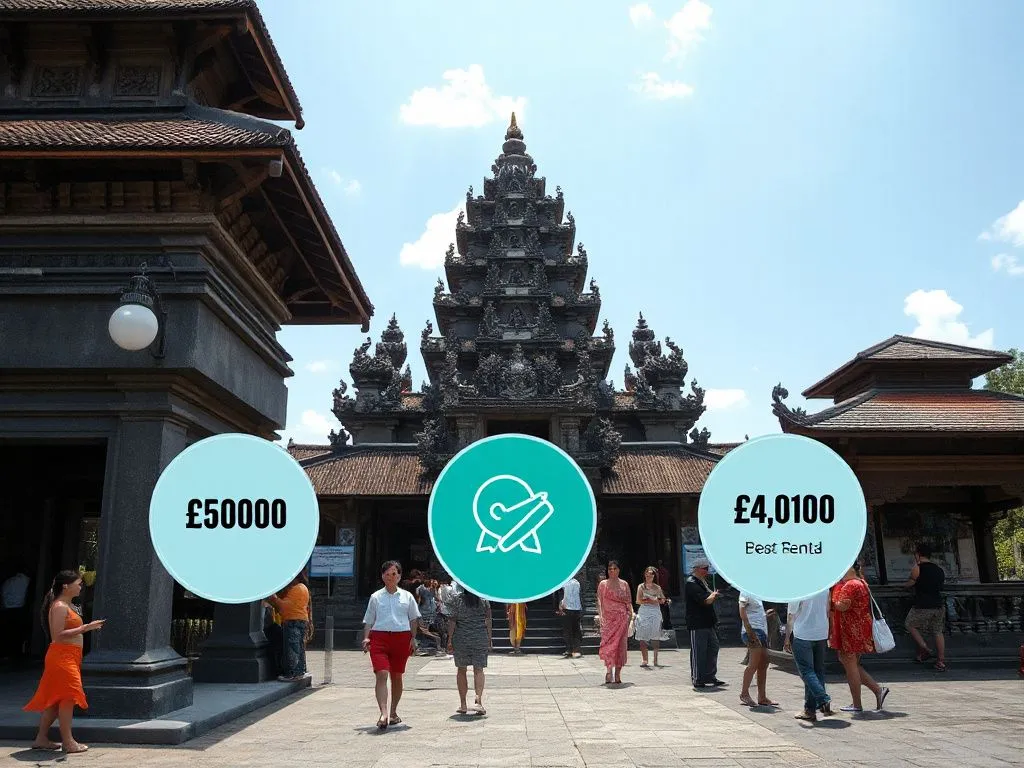
Temple and attraction fees are modest (about IDR 15,000–60,000), yet extras creep in: guides may expect tips, modest dress is required (sarong rental costs if you don’t bring one), parking may be charged, and some places sell “photo spot” access. A few sites price locals and tourists differently, which can affect group budgets. Bringing your own sarong or scarf sidesteps rental lines and fees.
Popular tours—like a Mount Batur sunrise hike (IDR 500,000–700,000)—can add gear fees for headlamps or jackets. Confirm exactly what’s included before you pay. For snorkel, surf, or dive trips, check marine‑park fees, equipment rental, insurance, and potential fuel surcharges, plus weather‑cancellation terms, including any rescheduling penalty.
Currency Exchange and Banking Charges
ATMs often charge IDR 25,000–50,000 per withdrawal; take larger amounts less often to reduce fees. Use travel‑friendly cards with good exchange rates and reduced foreign transaction fees, and decline dynamic currency conversion—pay in IDR. “No commission” money changers may still use poor rates; compare boards and count cash before leaving.
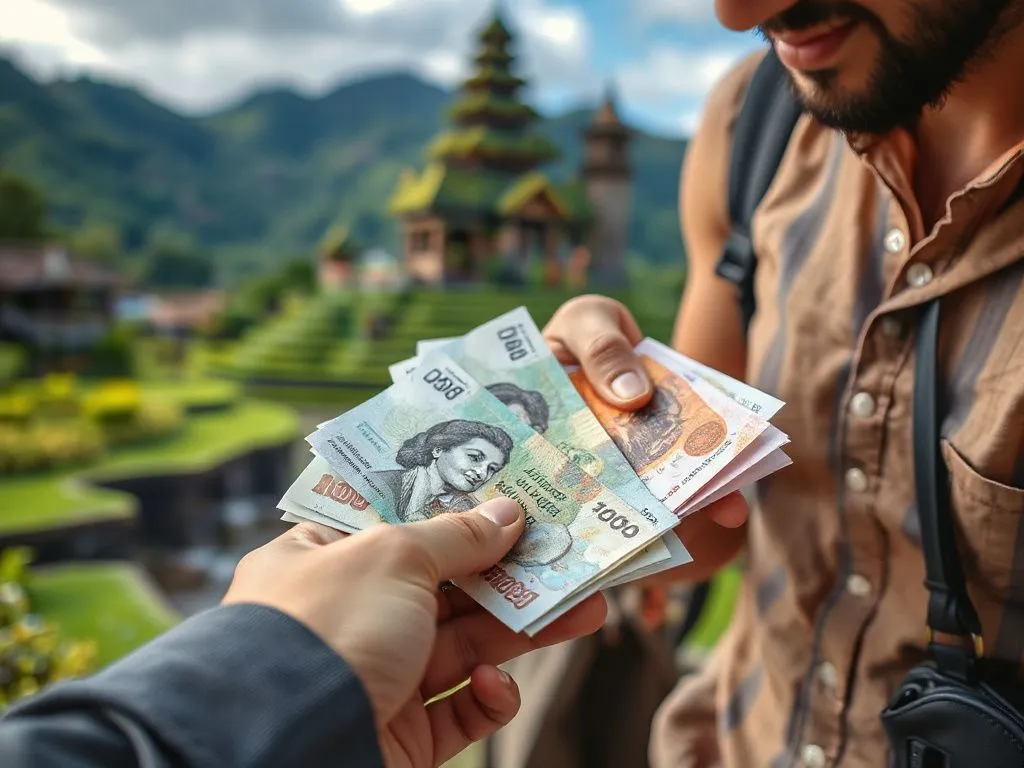
Use ATMs inside banks to lower skimming risk. Withdrawal limits can be low, compounding fees, so plan ahead. Carry small bills for parking, tips, and markets, where change for big notes is scarce and add‑ons may be suggested to break large denominations.
Cost-Saving Tips
Plan proactively: always confirm whether quotes include tax and service. Travel off‑peak, cluster nearby sights to cut transport and parking, carry a lightweight sarong, and refill bottles at certified stations or cafés instead of buying new ones all day. Download offline maps to stay oriented without burning mobile data.
Additionally, partnering with a trusted travel guide like iaminbali.com gives you insider tips to optimize your trip without overspending. Get a local SIM or eSIM for cheap data, offline maps, and on‑the‑spot price checks. If hiring a driver, lock in a clear itinerary and a nett price that includes parking and tolls. For scooters, rent from reputable shops, photograph the bike at pickup, and list all inclusions on the contract to avoid disputes later.
Conclusion
With a bit of awareness, you can keep Bali affordable without cutting back on experiences. Ask for nett prices, read the fine print, and confirm inclusions before you pay. For more budget‑savvy guidance, explore iaminbali.com—let knowledge, not surprise fees, shape your itinerary.
Frequently Asked Questions
What are some hidden transportation costs to be aware of in Bali?
Transportation in Bali can seem cheap, but extras like surge pricing for ride-hailing services, unmetered taxi overcharges, tolls, and parking fees can add up quickly. It’s advisable to use fare estimates or hotel quotes to benchmark reasonable prices.
How can I avoid extra charges when booking accommodation in Bali?
When booking accommodation, be aware that room rates often exclude taxes and service charges, which can total up to 21%. Always confirm the all-in total, check for any additional fees, and consider smaller guesthouses for simpler pricing.
What should I know about dining costs in Bali?
Dining at tourist restaurants can incur additional charges like a 10% tax and 5-10% service fee. Always check for ‘++’ on menus, and be cautious of bottled water costs and card processing fees that can inflate your bill.
What are some common expenses for excursions and activities in Bali?
While entrance fees to temples and attractions are modest, extras such as tips for guides, sarong rentals, and parking can increase costs. Always confirm what’s included in tour prices to avoid surprises.
How can I minimize currency exchange and banking charges while in Bali?
To minimize banking fees, withdraw larger amounts less frequently from ATMs, and use travel-friendly cards with good exchange rates. Avoid dynamic currency conversion and compare rates from money changers before exchanging cash.
What cost-saving tips can help me manage my budget in Bali?
Plan ahead by confirming if quotes include taxes, travel off-peak, cluster nearby sights, and refill water bottles instead of buying new ones. Download offline maps and consider hiring a trusted travel guide for insider tips.