
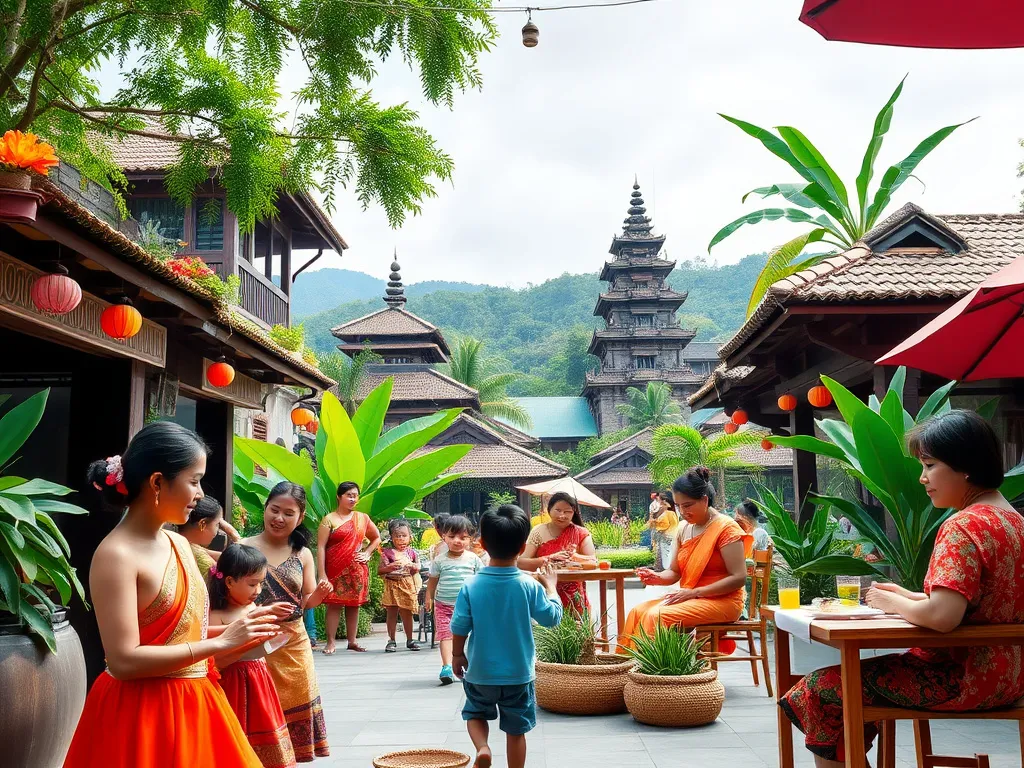
Exploring Bali’s culture as a family is a lively way to connect with local traditions and create lasting memories. From engaging dance shows to traditional craft activities, the island offers numerous cultural activities for children and adults alike. Visit must-see locations, try hands-on experiences, and enjoy family-friendly dining to complete your cultural adventure. Along the way, the aromas of incense, the shimmer of temple offerings, and the rhythmic pulse of gamelan music turn simple outings into sensory lessons. Build in gentle pacing, let kids keep a small travel journal or photo scavenger hunt, and practice simple greetings together to encourage confident, respectful participation that deepens curiosity and empathy.
Must-Visit Cultural Sites for Families
Bali is filled with cultural landmarks that attract all ages. A top choice is Uluwatu Temple , perched on the island’s southern cliffs. Here, you can watch the captivating Kecak dance , featuring a chorus of chanting men and trance dancers walking over hot coals. This family-friendly show fascinates both kids and adults. Aim for a sunset performance, arrive 45–60 minutes early for good seats, and choose higher tiers for a panoramic ocean backdrop. Keep valuables secure and avoid feeding the resident monkeys, who are curious and quick. Pathways hug dramatic cliff edges, so hand-holding and patience go a long way; post-show, the torchlit exit adds a touch of adventure that children love while you savor the crashing waves below.

Another highlight is the Kertalangu Cultural Village in Denpasar, set among rice fields and the iconic Peace Gong. Kids can learn about traditional Balinese rice farming and explore the village’s dedication to global peace, making it an educational and inspiring stop for families. Depending on the season, children can try planting seedlings, pounding rice, or weaving simple palm-leaf offerings, and the flat paths are ideal for relaxed bike rides together. Exhibits spotlight Tri Hita Karana—the harmony between people, nature, and the divine—an easy concept to explain through everyday examples. The Peace Gong’s world map invites kids to find their home country and reflect on connection; visit in the cooler morning or late afternoon for the most comfortable experience.

Interactive Cultural Experiences
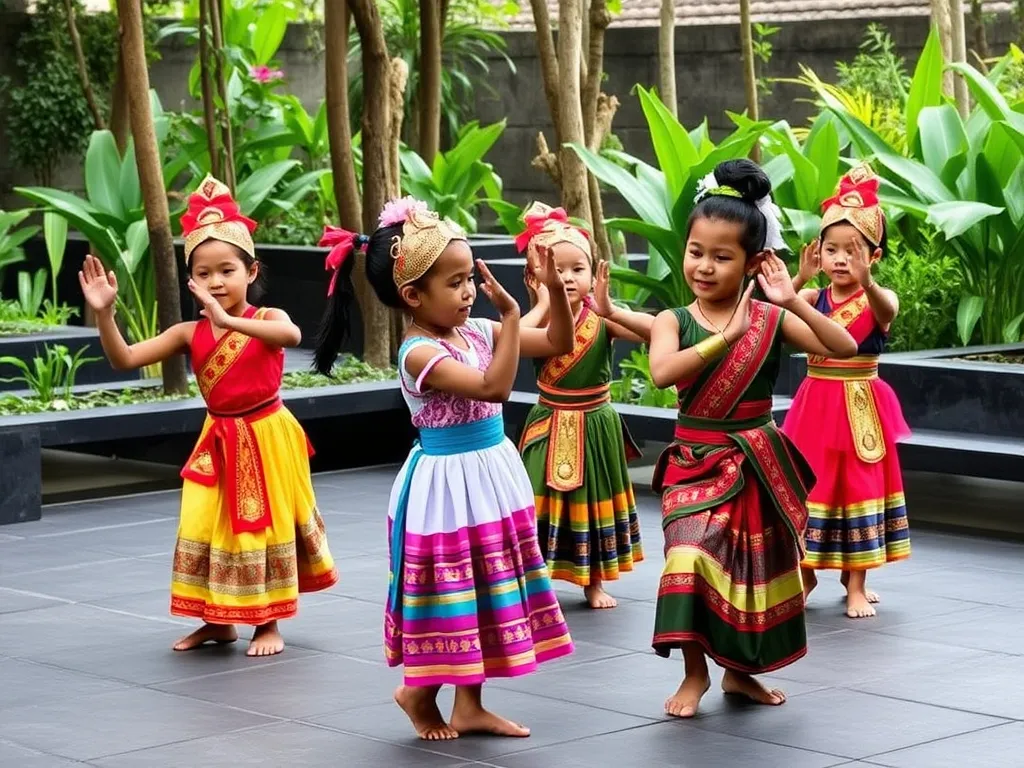
Bali’s interactive activities help families dive deeper into local customs. Joining a Balinese dance workshop is a great option. At Ubud’s Laka Leke Garden , children can learn the basics of dances like the Legong while wearing traditional costumes. This hands-on approach makes cultural exploration exciting and memorable. Instructors introduce expressive eye and hand movements step by step, and brief sessions suit younger attention spans. Photos are typically welcome after class, and some venues provide a small certificate to commemorate the lesson. If time allows, pair the workshop with a simple mask-carving or batik-painting activity offered at studios around Ubud and Sanur to round out the performing-arts experience with a creative keepsake.
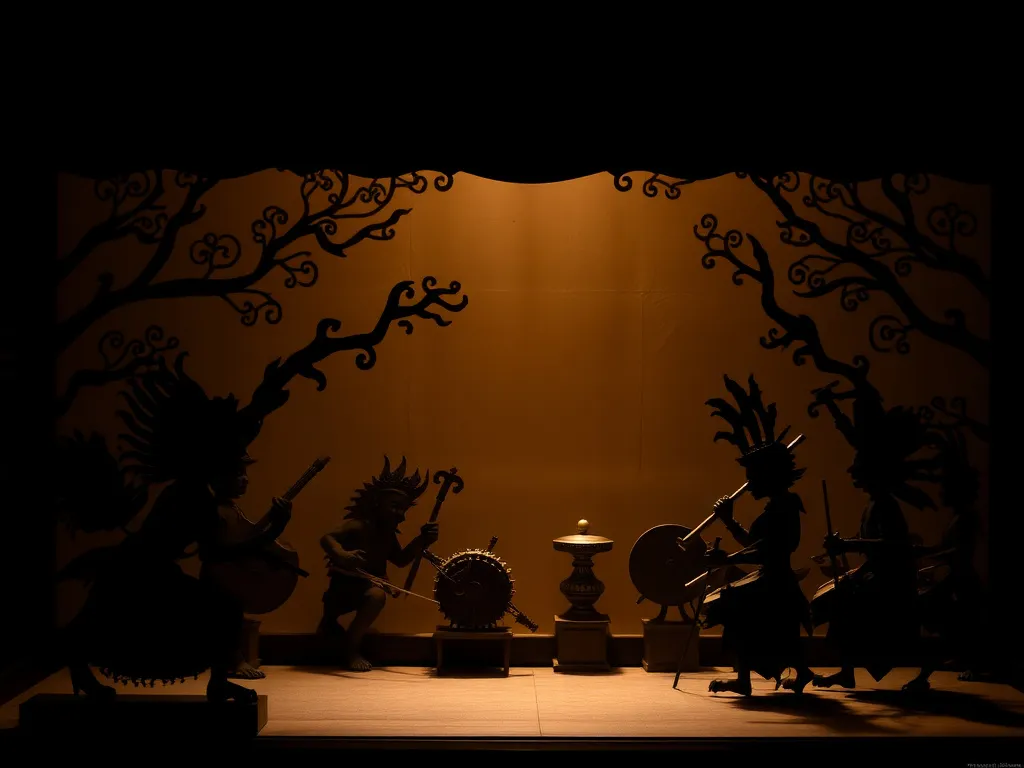
For a different experience, visit the Wayang Kulit Shadow Puppet Theatre , where intricate shadow puppets tell captivating stories. Accompanied by a gamelan orchestra, these performances offer an engaging way to experience Balinese storytelling and music. The dalang, or master puppeteer, brings dozens of characters to life with dramatic voices and precise movements, often drawing from the Ramayana or local village lore. Some venues share a brief English synopsis beforehand, helping kids follow the plot even when dialogue is in traditional languages. Sit where you can glimpse both the screen and the musicians to appreciate the layers of sound and light, and look for short children’s matinees that finish before bedtime.
Family-Centric Dining Options
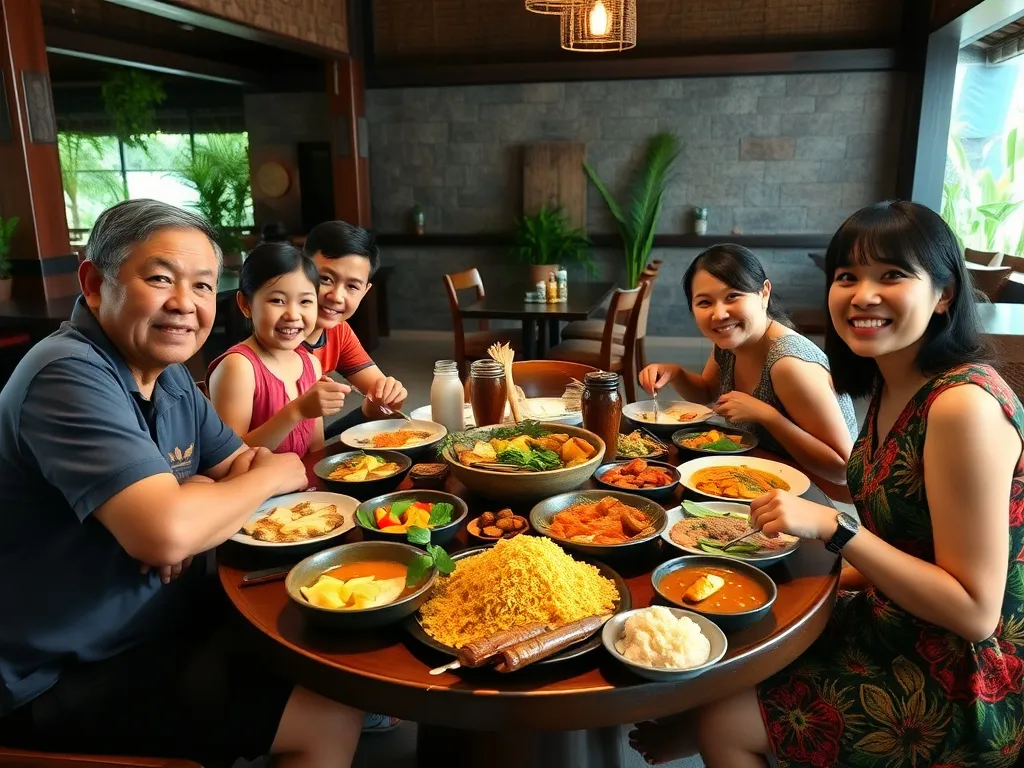
Dining in Bali is both a culinary and cultural experience. Many restaurants offer family-friendly meals, allowing kids to try local flavors while keeping familiar favorites available. Enjoying a Balinese feast gives children a chance to practice etiquette while sampling dishes like nasi goreng, satay, and lilit. Ask for “tidak pedas” to keep spice levels mild, and note that peanut-based sauces are common if allergies are a concern. Warungs provide a relaxed, affordable setting to share plates, while larger restaurants often have high chairs and kids’ menus. Save room for sweet treats such as dadar gulung (pandan crepes) or black rice pudding, and try fresh juices or coconut water for a hydrating, kid-approved drink.
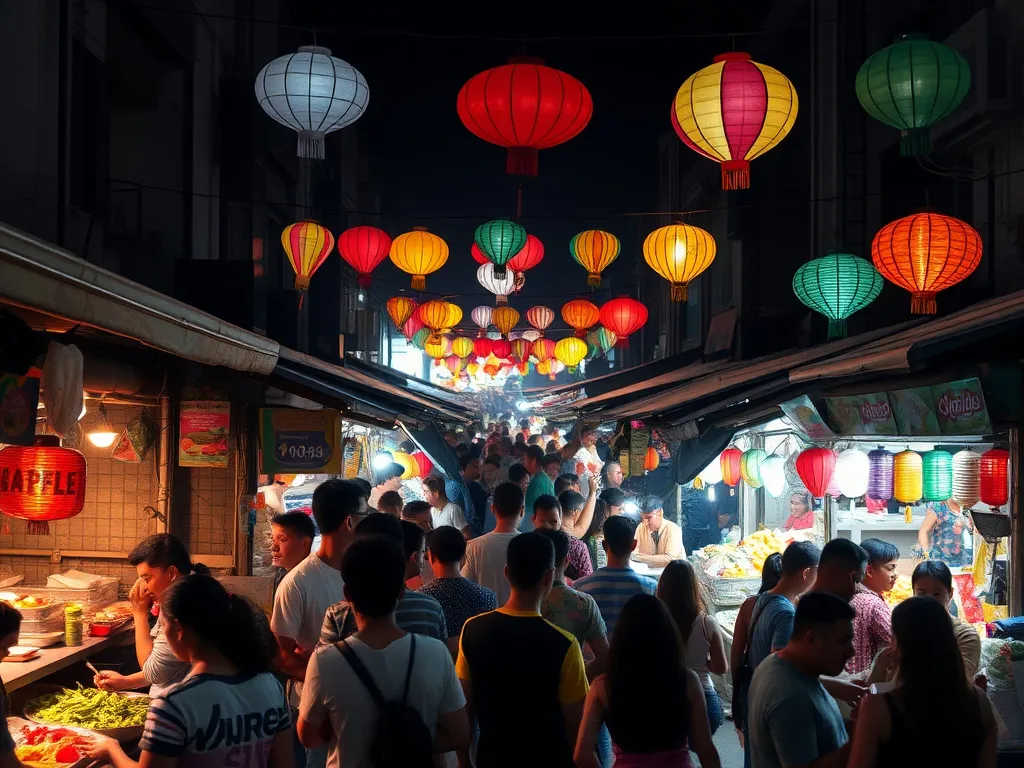
Beyond formal dining, stroll through Bali’s night markets, including those in Ubud or Jimbaran. They are great for tasting street food, soaking up the lively atmosphere, and interacting with local vendors and artisans. Seek out sate lilit hot off the grill, savory martabak manis, or chewy klepon filled with palm sugar, and carry small cash for easy purchases. Choose busy stalls and watch food cooked to order for best freshness, and skip ice if you’re unsure about water quality. Kids can practice simple phrases like “terima kasih” (thank you) and “berapa harganya?” (how much is it?), turning each exchange into a fun language lesson.
Tips for a Smooth Family Tour
Family travel in Bali benefits from a bit of preparation. Choose cultural activities that suit all ages. Many performance venues, like Batubulan Village for the Barong dance, offer spacious seating so everyone can enjoy the show comfortably. Check schedules and pre-book during holidays, aim for morning shows in hotter months, and select aisle seats for easy breaks with little ones. Pack water, sunscreen, and mosquito repellent, and consider a lightweight scarf or sarong for shade or temple use. Strollers can be tricky on uneven paths, so carriers are handy; hiring a driver with a child seat adds comfort between stops.
Dress suitably, especially for temple visits. Rented sarongs are available at major temples so tourists can respect local customs. If you plan to visit the beautiful Pura Ulun Danu Bratan , be ready for cooler weather, as it sits in the highlands of Bedugul. Cover shoulders and knees, tie on a sash when offered, remove hats inside sacred areas, and step around small offerings placed on the ground. Donation boxes are common; keep small notes handy to contribute. At the lakeside, you can rent a paddle boat, wander flower-filled gardens, or combine the trip with nearby botanical gardens. Temperatures can dip and light showers roll in quickly, so pack an extra layer and a compact rain poncho.

Balancing Culture and Fun
While immersing in culture, balance your itinerary with relaxation and play. After visiting cultural sites, consider a day in vibrant spots like Seminyak , known for great beaches and family-friendly beach clubs. This helps all family members, including the youngest travelers, enjoy a well-rounded experience. For calmer waters and a bike-friendly promenade, Sanur is a good alternative, and the Nusa Dua coastline has gentle stretches ideal for splashing. Pair a temple morning with a waterfall visit or a casual gelato stop, and let kids choose one “must-do” each day to keep everyone invested and energized.

Bali’s blend of culture and leisure makes it an ideal destination for families. By weaving these tips and destinations into your plans, you’re set for an enriching and unforgettable cultural journey with your loved ones. A simple rhythm—cultural activity in the morning, rest in the afternoon, and a music or dance performance at sunset—keeps days smooth and smiles wide. Travel lightly, refill water bottles, support community-led experiences, and treat wildlife with respect. The stories you collect together will become part of your family’s own cultural tradition long after you return home.
Frequently Asked Questions
What cultural experiences can families enjoy in Bali?
Families in Bali can explore engaging dance shows, traditional craft activities, and visit cultural landmarks like Uluwatu Temple and Kertalangu Cultural Village, creating lasting memories together.
What is the Kecak dance at Uluwatu Temple?
The Kecak dance is a captivating performance featuring a chorus of chanting men and trance dancers walking over hot coals, making it an exciting experience for both kids and adults.
What interactive activities are available for children in Bali?
Children can participate in Balinese dance workshops, learn about traditional crafts like mask carving or batik painting, and enjoy performances at the Wayang Kulit Shadow Puppet Theatre.
What dining options are suitable for families in Bali?
Bali offers family-friendly dining with local dishes like nasi goreng and satay, as well as relaxed warungs and night markets for trying street food, providing a culinary adventure for kids.
How can families prepare for cultural tours in Bali?
Families should choose age-appropriate activities, check schedules for performances, pack essentials like water and sunscreen, and dress appropriately for temple visits to ensure a smooth experience.