
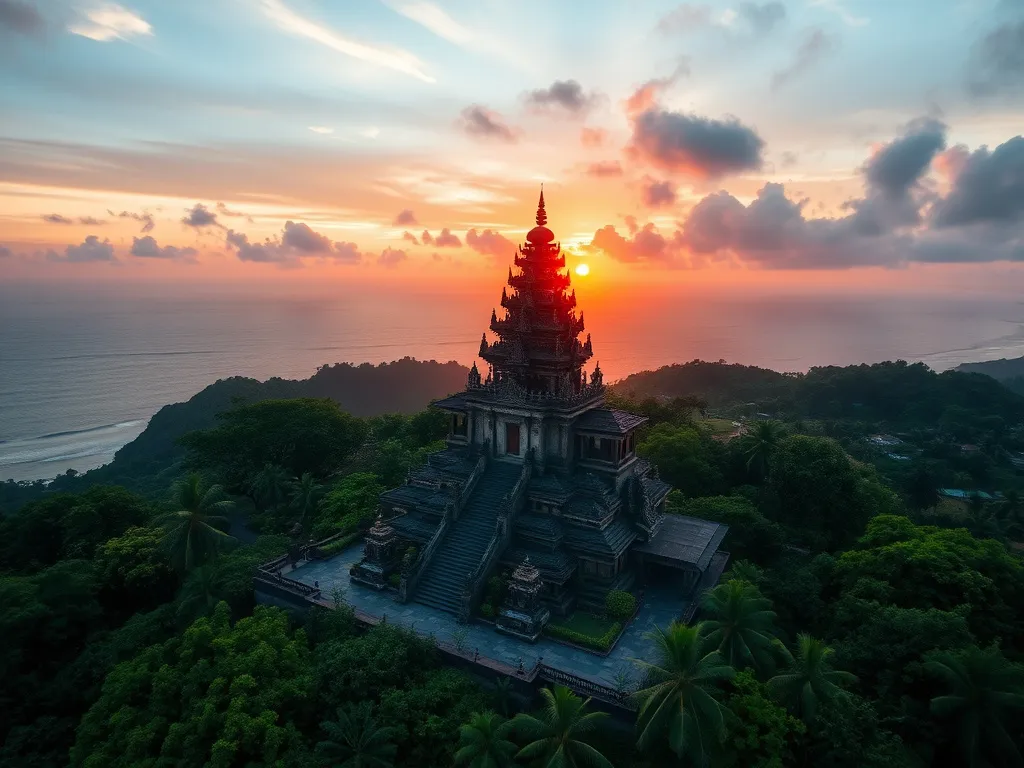
Whether you’re drawn to Bali’s scenery or its living traditions, visiting key cultural sites reveals the island’s spiritual and historical heartbeat. This guide spotlights first-time must-sees that pair striking views with local insight. Keep an eye on daily rituals, temple etiquette, and village design—expressions of Tri Hita Karana, the Balinese belief in harmony among people, nature, and the divine. Holding this idea in mind adds depth to every encounter.
Key Cultural Landmarks You Should Visit in Bali
Build your itinerary around renowned temples like Tanah Lot and Uluwatu Temple , plus the quiet traditional villages of Penglipuran and Tenganan. These aren’t staged settings; they’re lived-in places where ceremonies, crafts, and customs continue as they have for generations. Observe, ask respectfully, and let conversations guide you.
1. Tanah Lot Temple
Perched on a wave-battered rock, Tanah Lot pairs sweeping ocean views with deep spiritual resonance—especially at sunset. At low tide you can approach the base and glimpse a holy spring; at high tide the rock seems to float. Legend credits 16th‑century priest Dang Hyang Nirartha, and local lore speaks of sea-snake guardians. Arrive early, wear sturdy shoes for uneven paths, and watch for slick rock surfaces.

- Location: Tabanan; about 1 hour from Seminyak (longer at sunset).
- Entry Fee: IDR 60,000; small parking fee; cash preferred.
- Best Time to Visit: Sunset; come 1–2 hours early for views.
2. Uluwatu Temple
Uluwatu crowns a cliff above the Indian Ocean and is famed for sunset panoramas and the hypnotic Kecak Dance . The chorus, fire, and ocean backdrop create a memorable spectacle. Paths are exposed—bring water and a hat. Monkeys are active and crafty: secure sunglasses and phones, and avoid eye contact. Arrive before sunset to enjoy the light and find seats for the show.
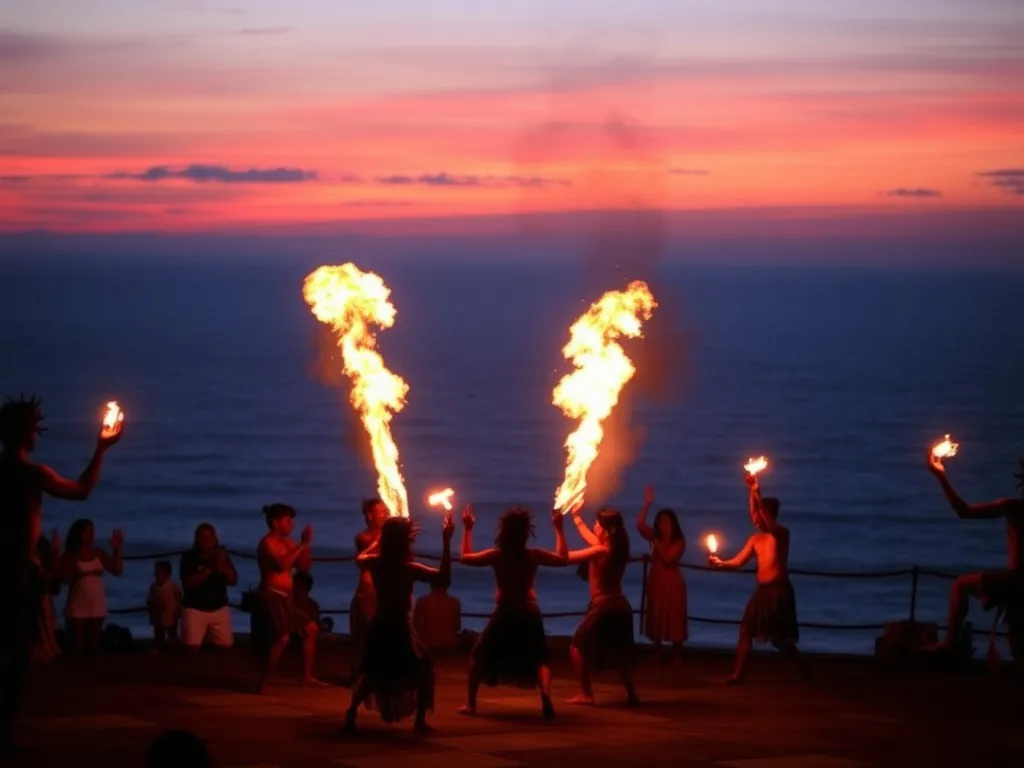
- Location: Bukit Peninsula; 45–60 minutes from Jimbaran or Nusa Dua.
- Entry Fee: Temple IDR 50,000; Kecak IDR 100,000–150,000.
- Best Time to Visit: Late afternoon to sunset; show follows.
3. Tirta Empul Temple
Famous for sacred spring pools used in purification, Tirta Empul offers a direct window into Balinese devotion. Rent a temple sarong, follow the spout sequence as locals do, and bring a change of clothes. Morning visits are cooler and calmer, with shorter lines and gentler light.
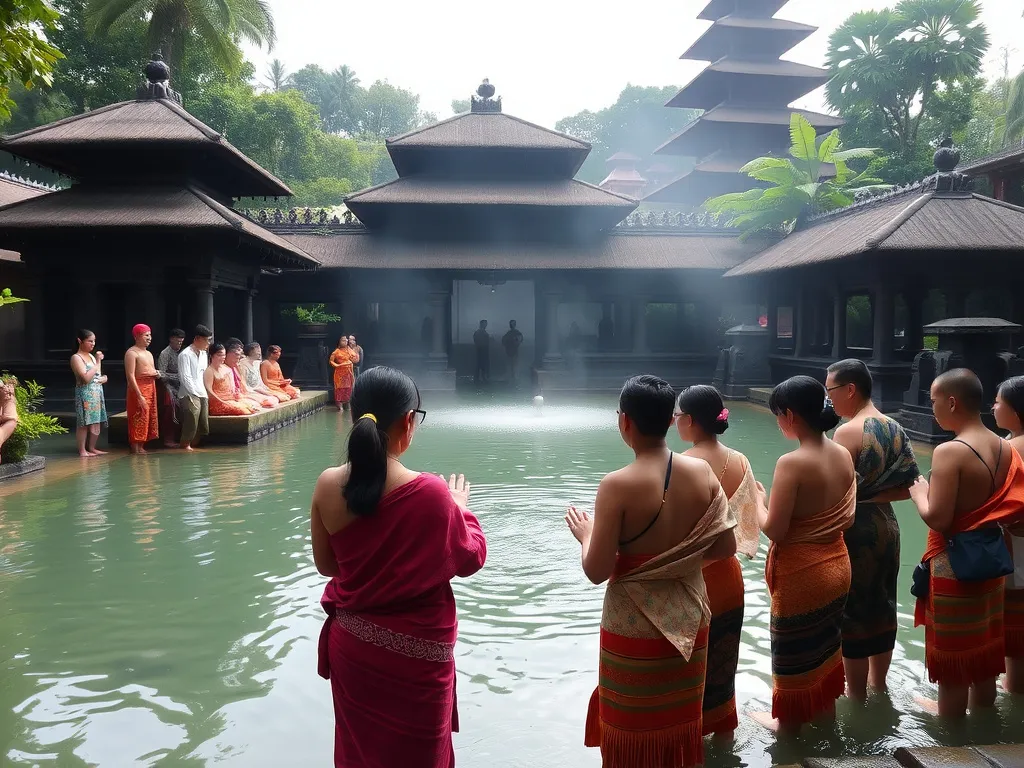
- Location: Tampaksiring near Ubud; often paired with Gunung Kawi.
- Entry Fee: IDR 50,000; small sarong rental if needed.
- Best Time to Visit: Early morning for serenity.
4. Penglipuran Village
One of Bali’s best-kept traditional villages, Penglipuran follows classic planning principles that create a calm, ordered feel. Expect immaculate lanes, a bamboo forest, and repeating angkul‑angkul gates that frame postcard views. Some homes open their compounds to visitors; small purchases of coffee or herbal drinks support community initiatives.
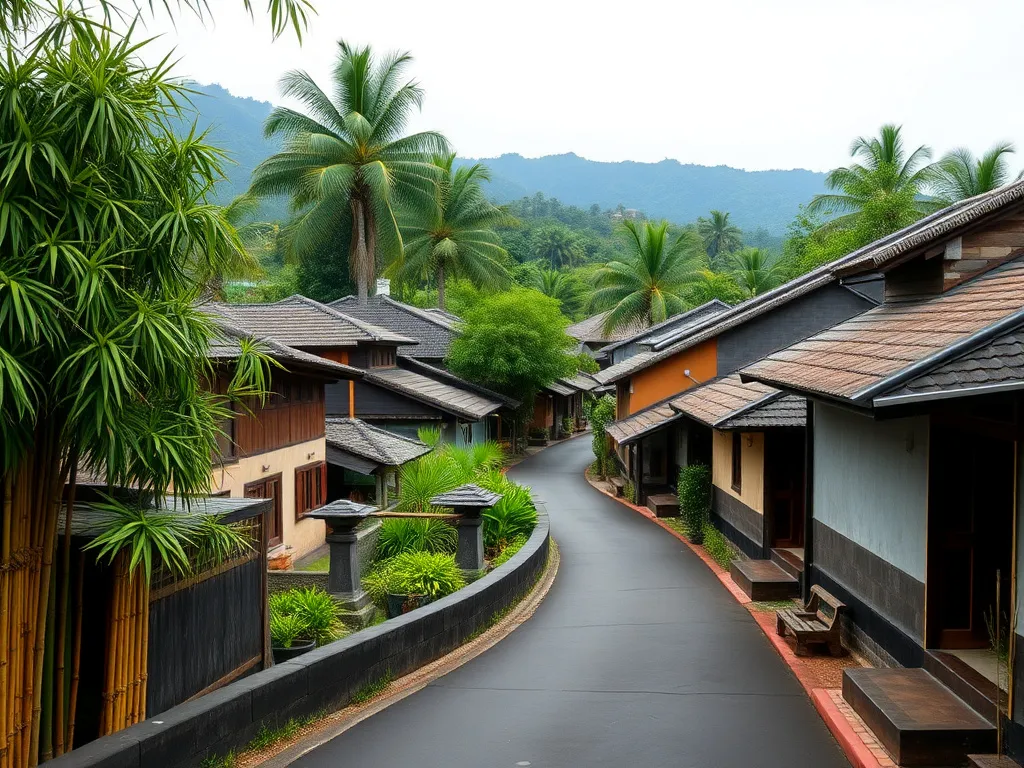
- Location: Bangli Regency; 45–60 minutes from Ubud.
- Entry Fee: IDR 50,000; bamboo forest access included.
- Best Time to Visit: Morning for soft light and quiet streets.
5. Tenganan Village
Tenganan, a Bali Aga village, preserves pre-Hindu customs and is renowned for double ikat gringsing textiles—laborious works believed to protect the wearer. Visit during the Perang Pandan festival for rare rituals. Ask before photographing weavers and avoid touching fabrics. The village’s rules and layout maintain centuries-old rhythms.

- Location: East Bali near Candidasa; 1.5–2 hours from Ubud.
- Entry Fee: Donation (~IDR 20,000) to support cultural upkeep.
- Best Time to Visit: June–July for festivals; late morning otherwise.
Suggested Itineraries for Cultural Exploration
A three–four day plan balances depth and downtime. Hire a local driver or guide for context and to navigate winding roads; short distances can take time. Break for meals at small warungs—nasi campur, lawar, and a chat with the owner often become trip highlights.
Day 1: Ubud’s Cultural Heart
Start with Ubud Palace, then wander the serene Tegallalang Rice Terrace . End with a dance performance at Saraswati Temple. If you have time, browse Ubud Art Market or a local gallery. On Tegallalang’s contour paths, greet farmers, stay on marked trails, and offer small donations at photo spots—your support helps maintain the landscape.
Day 2: Temples and Traditions
Join morning purification at Tirta Empul, continue to Gunung Kawi’s rock‑cut shrines, and finish at Goa Gajah. Gunung Kawi involves many stairs through lush valleys—wear good shoes and pace yourself. At Goa Gajah, note the demon‑mouth entrance and nearby pools hinting at its Hindu‑Buddhist layers. A short coffee tasting detour can neatly cap the day.
Day 3: Coastal Temples and Dances
Visit Tanah Lot in the morning, then head south to Uluwatu for sunset and the Kecak Dance. Pause at a Bukit Peninsula beach for lunch and views. After the show, Jimbaran’s seafood cafés offer an easy, oceanfront finale to reflect on the journey.
Engaging with Local Communities: Practical Tips
Dress modestly at temples (shoulders and knees covered); sarongs are often provided. Speak softly, follow signs to avoid restricted areas, and remove hats in sacred spaces. A warm smile and “matur suksma” (thank you, in Balinese) are appreciated.
- Avoid stepping over offerings; walk around and never move them.
- Offer and receive with your right hand; use two hands for important items.
- Keep quiet during ceremonies and ask before photographing people or rituals.
- Women are advised not to enter temples during menstruation; ask staff if unsure.
These courtesies ensure a respectful visit and reflect the island’s hospitality. Carry a reusable bottle, minimize plastic, and buy directly from artisans at fair prices to help sustain the traditions you’ve come to admire.
Final Thoughts
Centering your trip on Bali’s landmarks and customs reveals a harmony of nature, ritual, and artistry. With these suggestions, first-time visitors can leave with vivid memories and lasting respect for the island’s timeless culture—the chime of temple bells, the scent of incense across rice fields, and the graceful weave of daily life and ceremony.
Frequently Asked Questions
What are some must-see cultural landmarks in Bali?
Key cultural landmarks include Tanah Lot, Uluwatu Temple, Tirta Empul Temple, Penglipuran Village, and Tenganan Village. Each offers unique insights into Balinese culture and spirituality.
What is the best time to visit Tanah Lot Temple?
The best time to visit Tanah Lot Temple is at sunset, ideally arriving 1–2 hours early for the views. At low tide, you can approach the base and see a holy spring.
How should visitors dress when visiting temples in Bali?
Visitors should dress modestly at temples, covering shoulders and knees. Sarongs are often provided at the entrance to temples.
What cultural practices should be observed in Bali?
Visitors should avoid stepping over offerings, speak softly, and remove hats in sacred spaces. It’s also important to ask before photographing people or rituals.
What is the significance of the Tri Hita Karana belief in Bali?
Tri Hita Karana is the Balinese belief in harmony among people, nature, and the divine. Understanding this concept adds depth to encounters with local culture.
What can visitors expect when exploring Penglipuran Village?
In Penglipuran Village, visitors will find immaculate lanes, a bamboo forest, and traditional architecture. Some homes open to visitors, offering local drinks for small purchases.