

Bali is famous for its beautiful beaches and lively culture, yet the island’s interior holds a treasure trove of hidden outdoor adventures. Secluded hiking paths, secret waterfalls, and quiet canyons offer eco-friendly, sustainable experiences for adventurous, environmentally aware travelers. Venture beyond the resorts to misty crater lakes like Buyan and Tamblingan, ancient forests and bamboo groves, and subak irrigation channels threading rice terraces—a UNESCO-recognized system of water and community management. Slow down: breathe clove and coffee blossoms in the highlands, hear cicadas at dusk, and notice temple offerings tucked along trails—reminders that nature and culture here are inseparable.

Eco-Friendly Adventure Activities: Discovering Bali’s Hidden Trails
Exploring Bali’s lesser-known hiking paths is one of the most fulfilling ways to enjoy its natural beauty. In the central highlands, routes around Munduk and Mount Batukaru reveal sweeping terraces and dense forests. The Jatiluwih rice fields cascade in sculpted layers, with quiet footpaths between paddies where farmers still work by hand. In Sidemen, gentle ridge walks pass weaving villages framed by mountain peaks. Practice mindful walking: stay on established paths to protect irrigation walls, yield to farmers carrying tools or produce, and pause to listen for kingfishers and rustling palms.
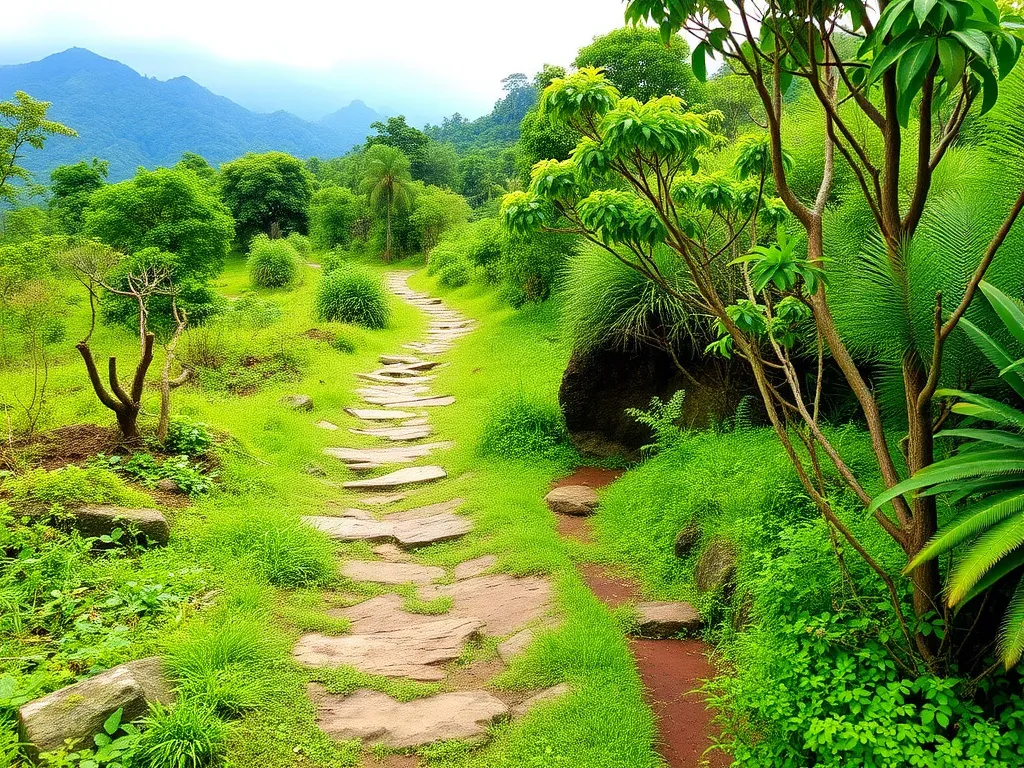
Hiring a local guide supports the community and adds insight into the island’s ecological history. Begin hikes early for cooler temperatures and emptier trails. Guides share knowledge of medicinal plants, seasonal rituals, and the traditional rules of water sharing, and they read the weather—useful during rainy months when cloud and wind shift quickly. Pack light yet smart: a compact headlamp for pre-dawn starts, a breathable long-sleeve for sun and insects, and a light rain shell for passing showers. In the wet season, trails are slick and leeches more active; long socks and careful footing keep outings comfortable and low impact.
Exploring Bali’s Unknown Trails
Bali’s volcanic landscapes and rainforests hide many trails perfect for adventurous explorers. The sunrise trek to Mount Batur is popular, while the quieter neighboring Mount Abang rises through forest above Lake Batur, offering sweeping views with far fewer footprints. On the Kintamani ridges, less-traveled paths trace ancient caldera rims past black lava fields, hardy wildflowers, and pockets of birdsong. For fewer people, paths to Sambangan’s Secret Garden lead to multiple waterfalls and natural pools, with guides pointing out safe cliff-jumping spots and smooth rock slides at Kroya and Kembar Falls. Around Pinggan village, sunrise lookouts reveal volcanoes floating on a sea of cloud without the bustle of the main Batur route.
Wear sturdy hiking shoes and carry a reusable water bottle to reduce plastic waste. Closed-toe footwear with good grip helps on roots and wet stones, and a lightweight trekking pole steadies steep descents. Two liters of water per person is a practical baseline for half-day hikes; refill at your lodge or designated stations rather than purchasing single-use bottles. A compact filter lets you top up from safe springs when available. Choose reef-safe, river-friendly sunscreen and insect repellent, and pack out everything you bring in. Step around trail-edge seedlings, yield to uphill hikers, and keep voices low to preserve the sense of wildness.
Unique Waterfall Experiences
Bali’s waterfalls are among its most cherished natural wonders, yet many remain off most itineraries. The Sekumpul Waterfall—often called the king of Bali waterfalls—rewards those willing to tackle steps, narrow footpaths, and a few river crossings. Local regulations increasingly require village guides, a policy that supports conservation, improves safety, and channels fees into trail maintenance and waste management. Modest fees and optional add-ons can include nearby cascades like Fiji and Hidden Falls. In the wet season, the volume roars and mist cools the air; in the dry months, jade-green pools clear to reveal stones and darting fish. Check drone rules and respect photography etiquette to protect privacy and the sanctity of the site.
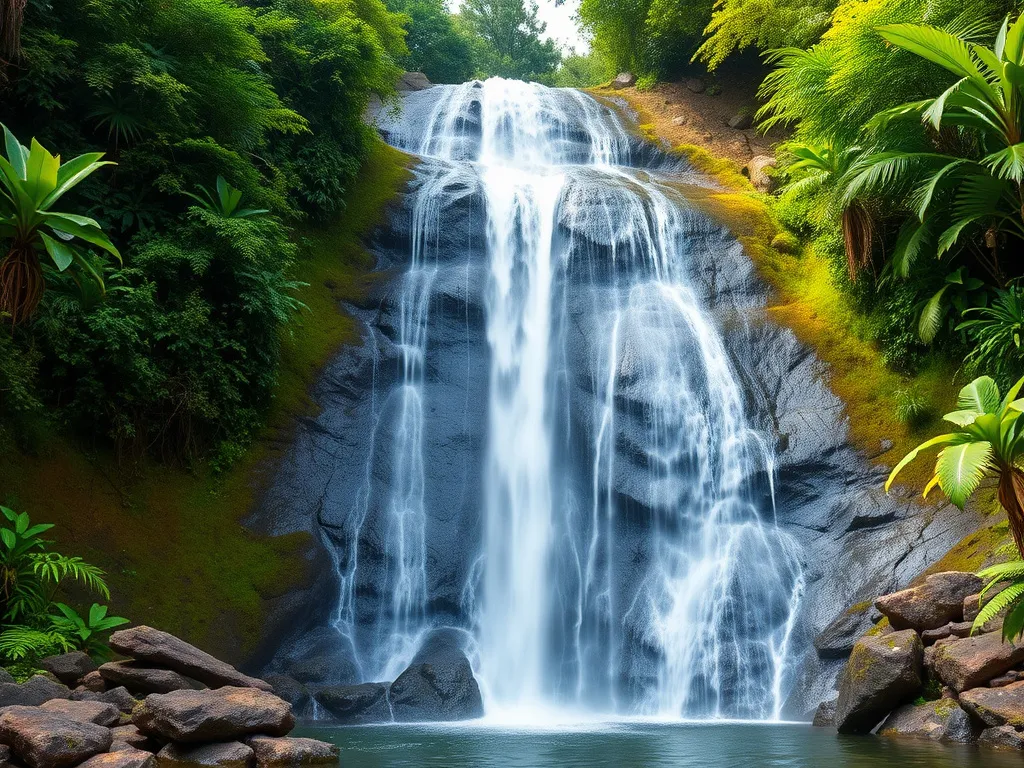
For a quieter scene, Banyumala Twin Waterfalls features pristine jungle pools perfect for a refreshing swim. Arrive early for calm, cool mountain air and occasional morning mist near Bedugul and Wanagiri’s ridge. The descent passes ferns and pandanus; steps can be slippery, but steady footing leads to mirror-like waters framed by vines. Keep soaps, shampoos, and lotions away from the pools to prevent contamination; enjoy a natural rinse and sun-dry on warm rocks instead. If you bring snacks, choose low-waste packaging and pack it out—monkeys and other wildlife quickly learn to scavenge, altering behavior and littering fragile streambeds.
Hidden Canyons and Spiritual Journeys
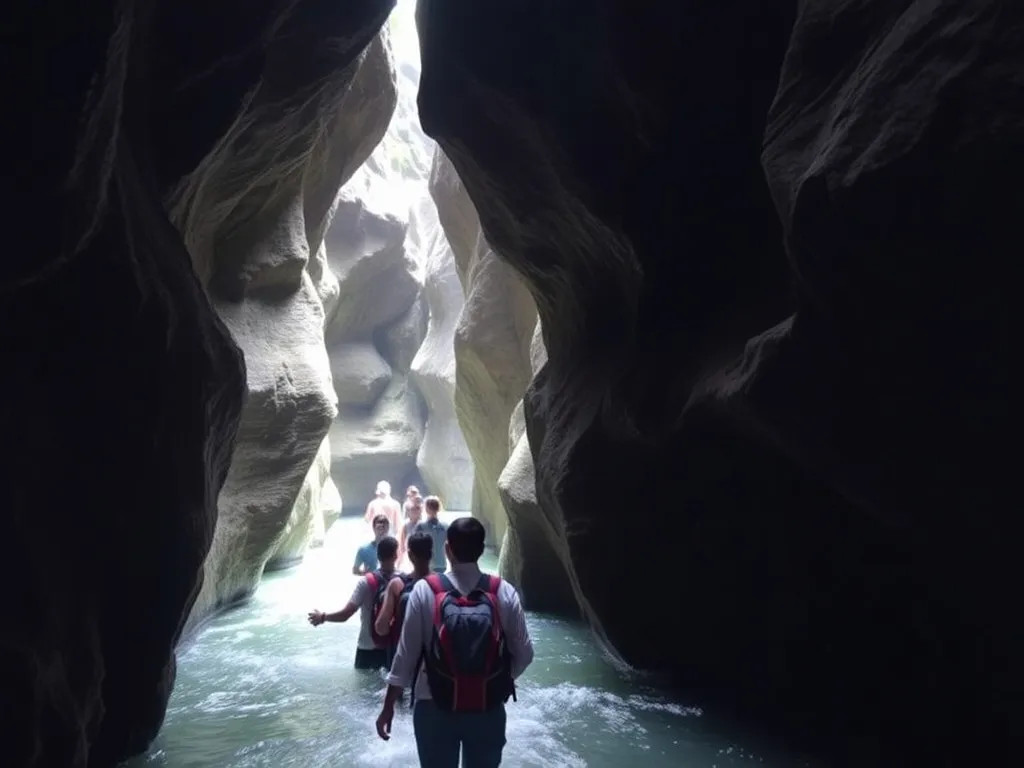
Bali’s hidden canyons, such as Beji Guwang, blend adventure and quiet reverence between stone and water. The terrain features narrow corridors, chest-deep wades, and slick boulders, so guidance is recommended. Local guides monitor water levels—crucial during rainy months—and provide dry bags so your hands stay free. A guided tour of the Hidden Canyon Beji Guwang balances safety with access, revealing sculpted rock, filtered beams of light, and fruit orchards along the way. Similar magic awaits at Tukad Cepung, where a waterfall drops into a chamber of light; here, the line between pilgrimage and exploration blurs, and moving slowly with respect enriches the experience.
These canyoning experiences embody eco-friendly travel by engaging local communities in tourism that funds conservation. Entrance fees and guiding often support riverbank cleanups, trail repairs, and first-aid and stewardship training for young residents. Help sustain this cycle by booking through community cooperatives, asking permission before entering shrines or sacred pools, and dressing modestly near prayer sites. Follow guide instructions, avoid touching carvings or moss-coated rock walls, and leave no trace so the canyon’s living geology endures.
Sustainable Travel Tips: How to Support Local Communities
Choosing eco-friendly activities preserves Bali’s natural beauty and strengthens the local economy. Opt for tours and guides that emphasize sustainability, and consider accommodations with solar energy, rainwater harvesting, composting, and refill stations. Use shuttle shares, bicycles, or e-bikes for short distances, and cluster activities by region to reduce road time. If certifications matter to you, ask providers which standards they follow and how those commitments appear in daily operations—clear, specific answers often signal genuine practice.
Bring a reusable bag and water bottle, and be mindful of waste. Join community projects such as beach or river cleanups, native tree planting, or workshops on traditional farming and bamboo craft—ideally those led by local groups with long-term goals. Support farmers and artisans by buying produce and handicrafts directly at markets, and savor plant-forward meals at small warungs highlighting seasonal ingredients. Learn simple etiquette: wear a sarong when entering temple grounds, keep shoulders covered in sacred areas, and step carefully around canang sari offerings placed on paths. These small gestures foster mutual respect and ensure your presence benefits the places you explore.

Conclusion
Exploring Bali’s outdoor adventure hidden gems pairs stunning beauty with responsible travel. Lesser-known trails, waterfalls, and canyons deliver solitude and wonder while your choices help protect ecosystems and living traditions. Walk softly on farmland paths, swim without leaving a trace, and listen to guides who steward their home landscapes. Travel slowly, linger in one village, and let dawn hikes or canyon crossings unfold without rush. By choosing community-based, sustainable adventures, you help preserve Bali’s natural splendor for future generations—and return home not only with photographs, but a deeper appreciation for the rhythms of land and water that shape life on this remarkable island.
Frequently Asked Questions
What are some eco-friendly adventure activities to do in Bali?
Bali offers various eco-friendly activities such as exploring lesser-known hiking paths, visiting hidden waterfalls, and discovering quiet canyons. These experiences allow travelers to connect with nature while supporting local communities.
How can hiring a local guide enhance the hiking experience in Bali?
Hiring a local guide provides valuable insights into Bali’s ecological history, medicinal plants, and seasonal rituals. Guides also ensure safety and help navigate trails, especially during rainy months.
What should I pack for hiking in Bali?
For hiking in Bali, pack a compact headlamp, breathable clothing, a light rain shell, sturdy hiking shoes, and a reusable water bottle. It’s also advisable to bring a lightweight trekking pole for steep descents.
What are the benefits of visiting Bali’s hidden waterfalls?
Visiting hidden waterfalls like Sekumpul and Banyumala Twin Waterfalls offers a chance to experience natural beauty away from crowds. Local regulations often require guides, which supports conservation and enhances safety.
How do Bali’s hidden canyons contribute to eco-friendly travel?
Bali’s hidden canyons, such as Beji Guwang, promote eco-friendly travel by engaging local communities in tourism that funds conservation efforts. Entrance fees and guided tours often support environmental initiatives and community training.
What precautions should I take when visiting waterfalls in Bali?
When visiting waterfalls, it’s essential to check local regulations, respect photography etiquette, and avoid using soaps or lotions in the water to prevent contamination. Arriving early also helps to enjoy a quieter experience.