
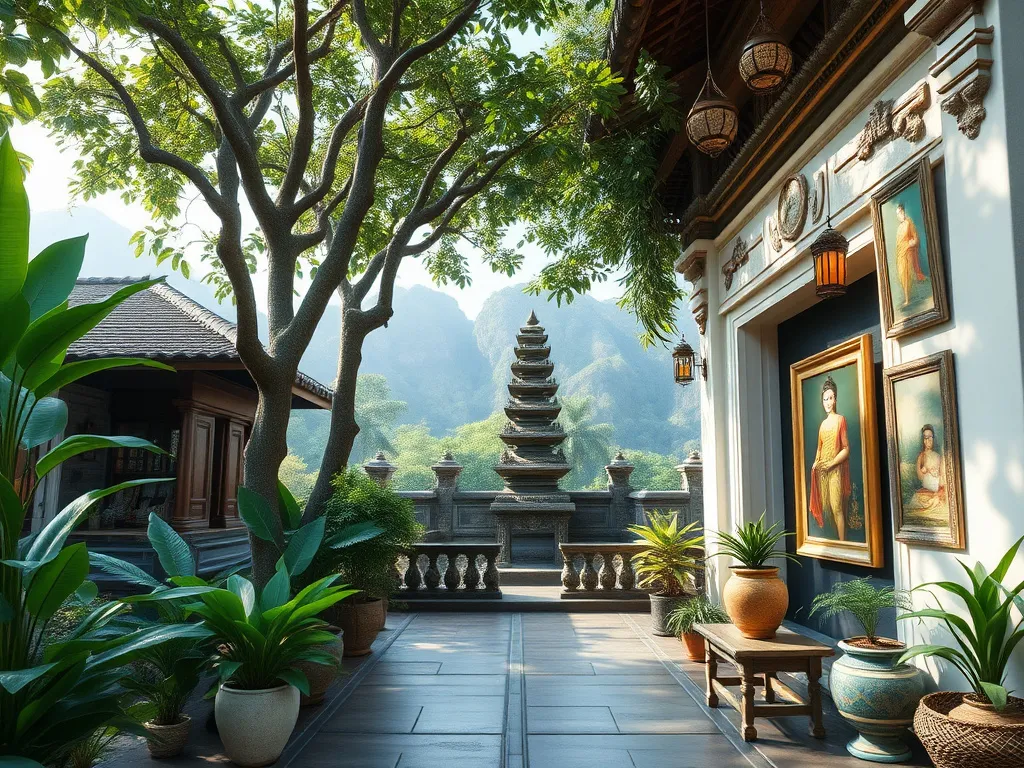
Beyond Bali’s busy hubs lie neighborhoods where daily life, art, and ritual unfold quietly. Explore them as living communities: places of dawn ceremonies, artisan workshops, and slow rhythms. Walk whenever possible, rent a scooter if confident, or hire a driver for longer hops. Download offline maps, carry small bills for warungs and donations, and dress modestly near temples (a sarong and sash help). Approach with curiosity and respect—you’ll find warm smiles, candid conversations, and encounters that linger longer than any checklist.
Pengosekan: Ubud’s Artist Haven
A serene corner of Ubud, Pengosekan is renowned for its painting style: nature-rich scenes—birds, rice terraces, village life—rendered with meticulous lines and earthy pigments. Many artists train in family studios, blending classical motifs with contemporary touches. As you wander, the clink of chisels and distant gamelan underscore a creative pulse. It’s a compact, walkable area where galleries, workshops, and small temples mingle with family compounds shaded by frangipani.
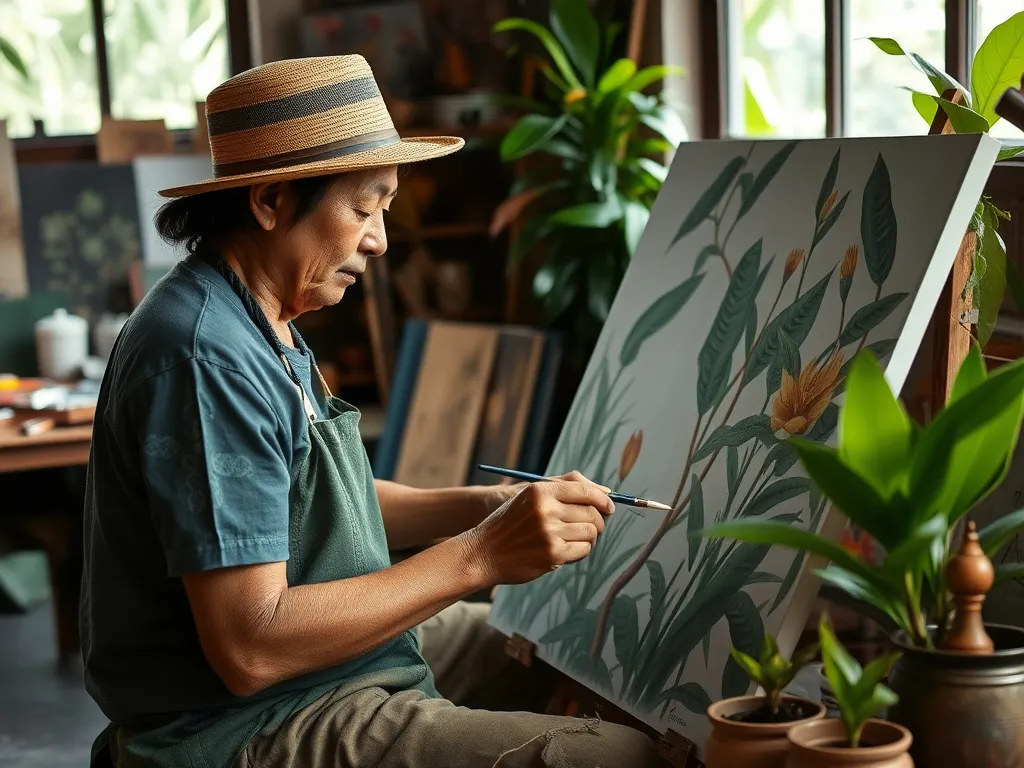
Stroll Jalan Pengosekan to visit studios beside cafés and warungs. Buy directly from artists, ask about a piece’s story, and request a certificate or shipping if needed. Always ask before photographing inside studios. For a relaxed meal, Yellow Flower Café serves reliable nasi campur, fresh juices, and vegetarian plates. Stay nearby at Nyuh Gading Homestay for friendly hosts and easy access to The Yoga Barn, where daily classes balance gallery time with movement.
A half-day plan: start at the Agung Rai Museum of Art (ARMA), then explore studios along Jalan Pengosekan, finishing with a rice-field walk. Arrive at ARMA early to enjoy the cool gardens and collections; pause for an iced coffee at the café. Late morning, chat with artists and compare brushwork and composition. Toward golden hour, follow paddy paths—remain on dikes to protect crops. If rain rolls in, opt for a short batik or sketching workshop instead.
Banjar Mancingan: Ubud’s Quiet Rice Terrace
Just beyond central Ubud, the Banjar Mancingan Rice Terrace offers a peaceful morning escape. Arrive between 7 and 9 am for soft light over layered paddies and glimpses of farmers tending subak canals. Paths can be slick with dew, so wear grippy shoes, bring a hat and water, and keep drones grounded unless permission is clear. The soundtrack—birdsong and trickling water—rewards an unhurried, mindful pace.
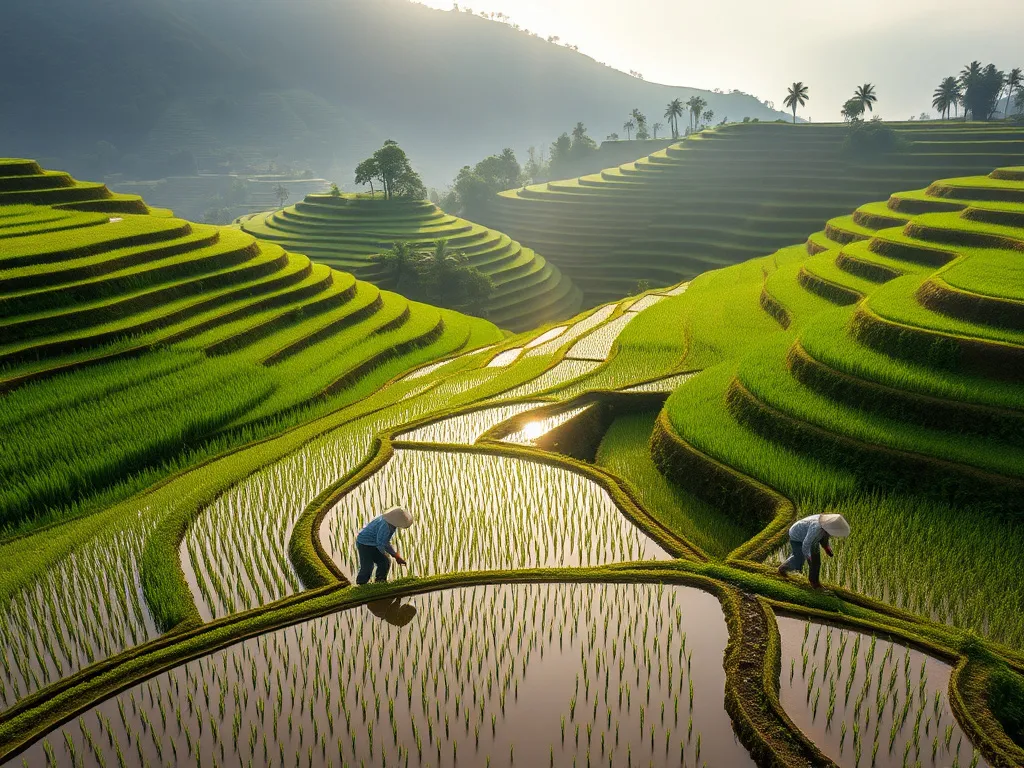
Be respectful: stay on established bunds, avoid young shoots, and step aside for farmers. A smile and brief greeting help when photographing people; small thank-you donations may be welcome. Nearby cafés serve tipat cantok, bubur injin, fresh fruit, and coffee—an easy breakfast before moving on. Pair this quiet stop with an afternoon woodcarving visit, a short meditation, or a small temple at sunset, then retreat during peak heat to a shaded spa or homestay courtyard.
Kedewatan: The Hidden Colonial Treasure
North of Ubud, Kedewatan unfurls along the Ayung River gorge with sweeping jungle views and a calm, unhurried feel. Frangipani-lined lanes open to dramatic panoramas, and the hush of cicadas drifts across the valley. Though boutique stays dot the ridge, it remains a place for long walks, sketching, or tea as mist lifts from the river—a quieter counterpoint to central Ubud.
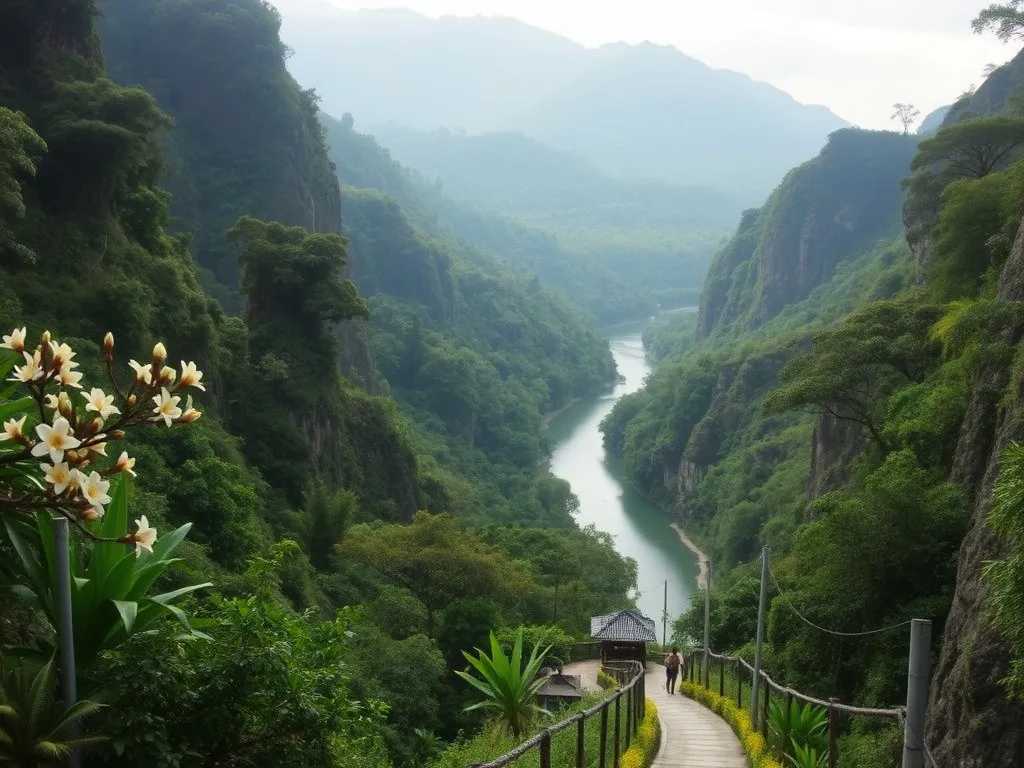
Don’t miss “Nasi Ayam Kedewatan,” the signature spiced chicken rice set, at Warung Nasi Ayam Kedewatan; ask for less sambal if you prefer mild heat. Vegetarians can build a satisfying plate from sayur urap, veggie lawar, and sides. For a classic stay, Ayung Resort offers valley-facing pools, carved-wood details, and nature walks highlighting local plants and birds. Shoulder-season bookings often include thoughtful extras like afternoon tea.
Link your meal with the Sayan Ridge walk: about 4 km from Sayan village to Kedewatan, with unmatched views over the Ayung. Start late afternoon for sunset; wear lightweight walking shoes, bring water, and skip midday heat. You’ll pass cocoa, bananas, and small farms, with occasional stalls selling fresh coconuts—carry small notes. After dusk, use a phone torch on uneven steps, arrange a pickup at the Kedewatan end, and pack out all trash.
Tenganan: The Preserved Ancestral Village
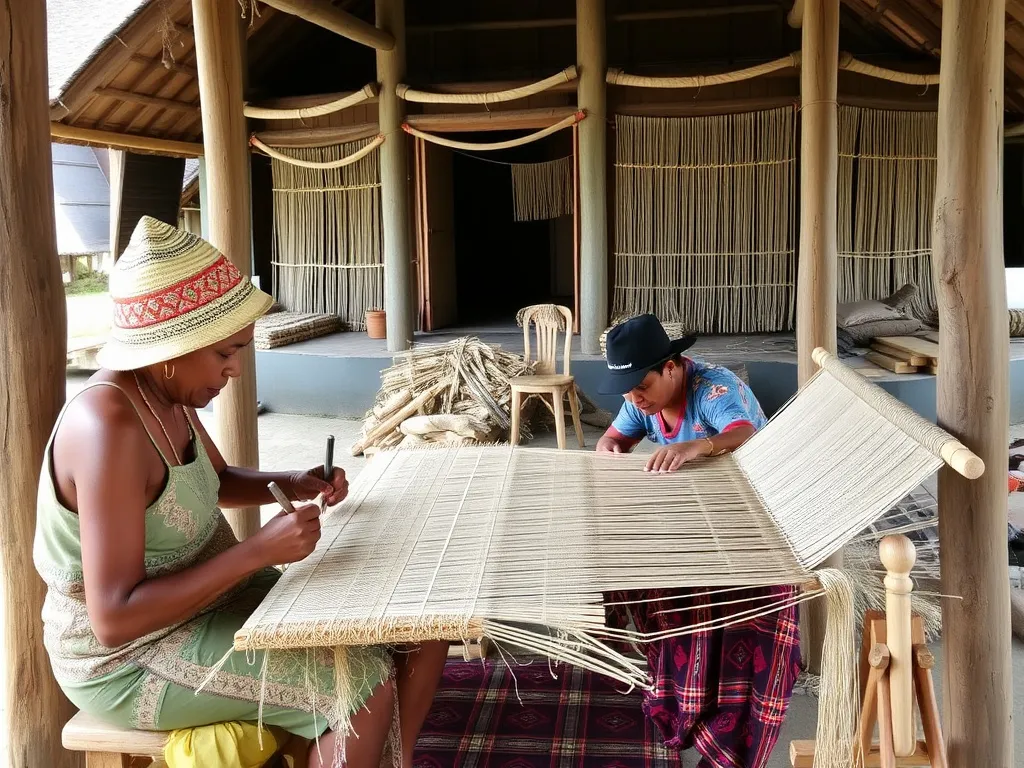
In East Bali, Tenganan Pegringsingan preserves Bali Aga heritage—pre-Hindu traditions anchored by awig-awig (customary law). The village is famed for geringsing, a rare double ikat woven with morinda root and indigo. Its symmetrical patterns, believed protective, take months to produce with exacting warp-and-weft alignment. If visiting around June (per the Balinese calendar), the Mekare-kare pandanus festival reveals striking rituals unique to this community.
Stay close at Rama Shinta Hotel or base in nearby Candidasa for sea breezes and easy access. Eat at community-run cafés to taste simple Bali Aga dishes—urap with grated coconut, tipat cantok, and fresh grilled fish from coastal markets. Menus track the seasons, cooking is homey and restrained, and hosts gladly share the origins of ingredients and techniques.
Plan to arrive in the morning, join a guided village walk, and attend a weaving demonstration. A local guide can interpret carvings, ceremonial objects, and the village’s parallel rows of communal pavilions and family compounds. Many households craft baskets and lontar works—buying directly supports traditions and fair pricing. Bring cash, dress modestly, and ask before photographing people or rituals; during festivals, follow posted rules and elder guidance.
Conclusion: Experience Bali Beyond the Ordinary
These neighborhoods reveal Bali beyond its headline sights: Pengosekan’s studios, Mancingan’s terraces, Kedewatan’s ridges, and Tenganan’s living heritage invite slower, more personal travel. Walk first, linger in conversation, and let local rhythms guide your pace. For logistics, pair short walks with occasional scooter rides or a driver. Aim for shoulder seasons (April–June, September–November) for cooler weather and gentler light. Carry a reusable bottle, learn a few words of Bahasa Indonesia or Balinese, and treat offerings with care—never step over canang sari.
For tailored itineraries and more insider tips, visit iaminbali.com . Whether you’re chasing dawn light, seeking family recipes, or traveling with kids in search of gentle adventures, these districts reward those who look closer and stay a little longer.
Frequently Asked Questions
What can I expect to find in Pengosekan, Ubud?
Pengosekan is known for its vibrant art scene, featuring nature-inspired paintings created in family studios. Visitors can explore galleries, workshops, and small temples while enjoying the sounds of chisels and gamelan.
What should I wear when visiting temples in Bali?
When visiting temples in Bali, it’s important to dress modestly. Wearing a sarong and sash is recommended to show respect for the local customs.
What activities can I do in Banjar Mancingan?
In Banjar Mancingan, visitors can enjoy peaceful walks through rice terraces, observe farmers at work, and savor local breakfast options at nearby cafés. It’s ideal for a mindful morning escape.
How can I experience Tenganan’s unique culture?
To experience Tenganan’s culture, visitors can join guided village walks, attend weaving demonstrations, and learn about the Bali Aga heritage. Engaging with local artisans supports their traditions.
What is the best time to visit Bali’s hidden neighborhoods?
The shoulder seasons, specifically from April to June and September to November, are recommended for visiting Bali’s hidden neighborhoods as they offer cooler weather and fewer crowds.
How can I get around these neighborhoods in Bali?
To explore Bali’s hidden neighborhoods, walking is encouraged for short distances, but renting a scooter or hiring a driver is advisable for longer trips.