

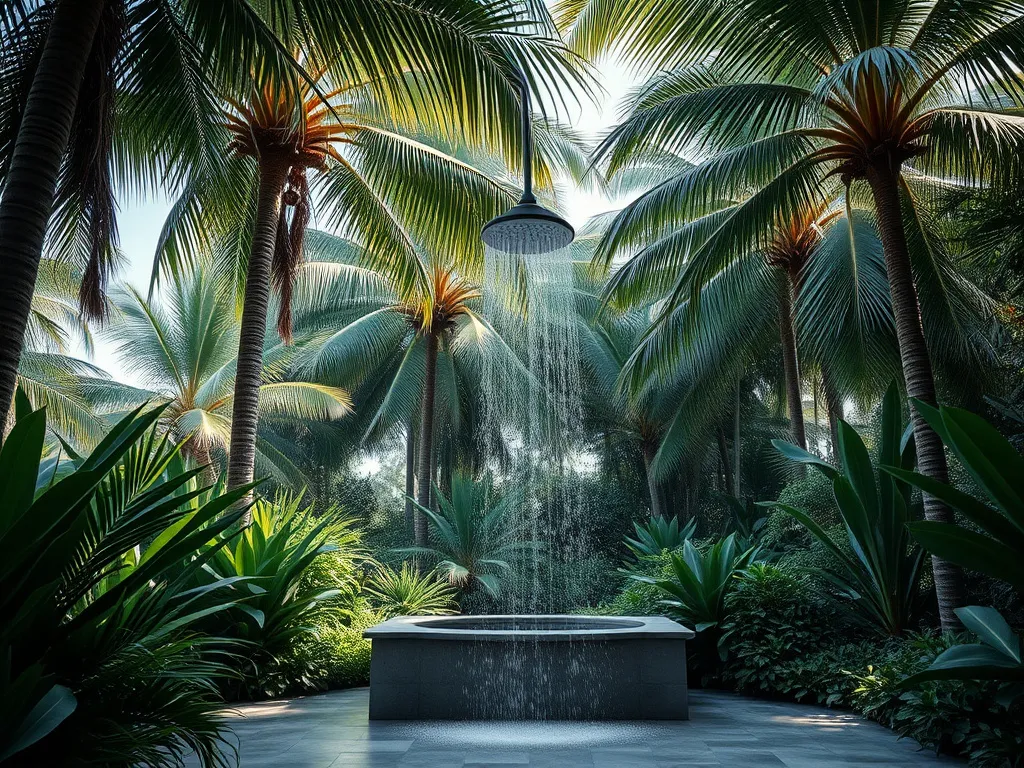
Step into Bali’s unspoiled nature retreats, where eco-values meet striking landscapes. This guide highlights hidden eco-stays, the sustainable features they use, and the experiences they offer—crafted to restore you while protecting the island’s allure. Think birdsong in the morning, open-air showers under palms, and star-lit evenings. These sanctuaries invite mindful travel: savor local food, move gently through sacred spaces, and choose adventures that enrich rather than extract. With balance and reverence for place, Bali’s eco-retreats offer a rare chance to reset your pace and reconnect with what matters.
Overview of Bali’s Eco Retreats
Across Bali, eco-retreats weave sustainability into immersive nature stays. Set in jungle or on hilltops, they offer a quieter path than typical resorts. Many feature locally sourced materials and activities that connect guests to the land. From Ubud’s cultural heart and Sidemen’s terraces to misty Munduk and the quiet east near Amed, the island’s microclimates shape each stay. Some retreats are community-run, channeling profits into village projects; others focus on wildlife corridors and habitat restoration. Together they form a mosaic for travelers seeking depth over spectacle.
One example is Bali EcoStay in Tabanan, on the slopes of Mount Batukaru. Its bungalows use sustainable materials, with an organic permaculture garden and a natural spring (source: thebalisun.com ). Trails pass rice terraces and village shrines, while micro-hydro systems and low-energy lighting shrink the resort’s footprint. Meals follow a farm-to-table rhythm—seasonal produce, fresh herbs, and Balinese spices. In Ubud, Mana Earthy Paradise supports regenerative practices that rebuild local ecosystems (see: amanaska-bali.com ). Expect refill stations to cut plastic, breathable bamboo architecture, and learning spaces on circular design, composting, and soil health. Many retreats publish clear sustainability commitments and impact updates so you can see how your stay supports land and community.

Unique Activities and Experiences
Eco-retreats offer activities that deepen your bond with nature. Options range from eco-printing and natural skincare workshops to language lessons. Try batik dyeing with leaves and flowers, mix turmeric-ginger jamu tonics, or join garden-to-kitchen classes highlighting coconut, lemongrass, and wild greens. Birdwatch at dawn for kingfishers and herons; join guided night walks to see fireflies and hear frog choruses. Mindfulness programs—sunrise meditation, yin yoga under bamboo canopies, or sound baths—round out restful days.


At Mana Earthy Paradise, guests can take nature-inspired workshops or trek through Ubud’s rice paddies. In Munduk, Ayu Gumi Eco-Stay sits near waterfalls for easy adventure (source: thebalisun.com ). The cool climate favors clove and coffee, and guides arrange tastings or sunrise ridge hikes with views over twin lakes. Hideout Bali in East Bali hosts creative retreats in bamboo homes, pairing calm scenery with eco-minded community projects. Guests often join river clean-ups, bamboo crafts, or reflective writing residencies. Whether weaving offerings with artisans, practicing freediving breathwork by tranquil shores, or reading by a river, experiences are immersive and respectful of place. Staff typically brief visitors on trails, etiquette, and wildlife safety so adventure blends with stewardship.
Sustainable Features and Practices
Bali’s eco-retreats blend comfort with responsibility. Sustainable architecture, local materials, and careful operations reduce impact. Water management is central: rainwater catchment, gravity-fed showers, and greywater biofiltration ease pressure on supplies. Composting, on-site nurseries for native plants, and turning organic waste into soil are common. Many retreats ban single-use plastics, provide reef-safe amenities, and use biodegradable cleaners. Social sustainability matters too—fair wages, staff training, and village partnerships build resilience. Some map their carbon footprint and fund reforestation or mangrove restoration to balance emissions.
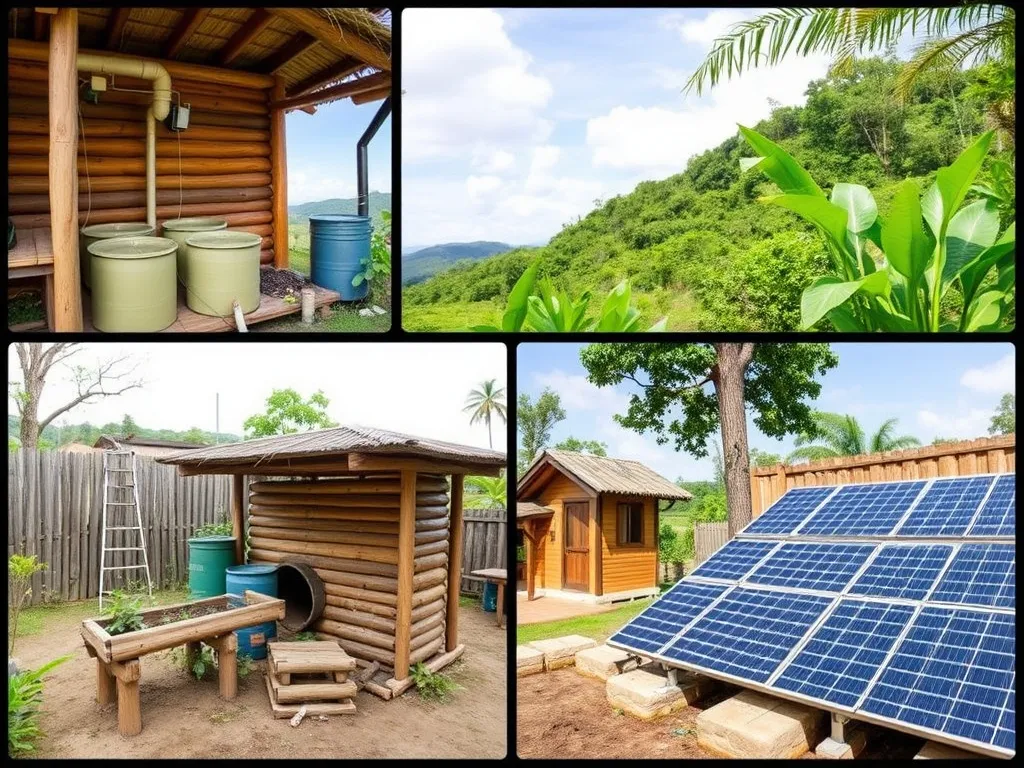
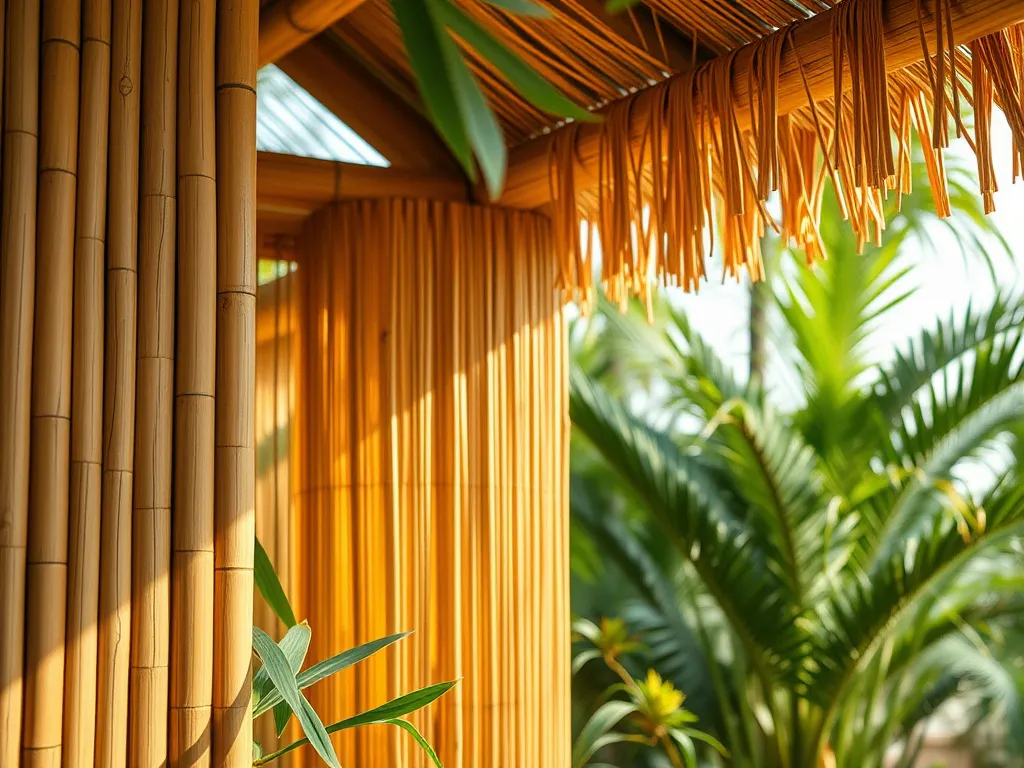
Common design elements include bamboo construction and energy-efficient systems. Ulaman Eco Luxury Resort showcases innovative eco-design with its Avatar Tree House and Floating Lake Villa (reference: thebalisun.com ). Passive cooling, deep overhangs, and cross-ventilation reduce air-conditioning needs, while green roofs and living walls stabilize temperatures and support pollinators. Interiors use natural plasters, reclaimed hardwoods, and artisanal textiles dyed with plants. Many retreats power common areas with solar arrays and manage lighting to protect nocturnal species. Cultural sustainability shines, too—teams share temple etiquette, host gamelan or dance, and embrace Tri Hita Karana, honoring harmony between people, nature, and spirit. Supporting local craftspeople and farmers ensures design choices uplift culture and environment alike.
Tips for Booking and Planning Your Stay
When booking, decide how immersed you want to be and what comforts you need. Check certifications and reviews that mention genuine eco-practices, transparent reporting, no-plastic policies, and community collaboration. Consider your thresholds: some stays are off-grid with limited Wi‑Fi, wildlife sounds, and open-air bathrooms; others feel like boutique hotels with strong connectivity. If mobility is a concern, ask about steps, steep paths, or shuttles, as jungle terrain can be slick after rain. Recognized awards—Tri Hita Karana, EarthCheck, or NGO partnerships—help validate claims.
Contact retreats directly for tailored guidance. Off-peak stays bring better rates and fewer crowds. Share dietary needs—Bali’s kitchens excel at vegan, gluten-free, and allergy-friendly menus using fresh produce and coconut-based alternatives. Ask about airport transfers, responsible scooter rental, or drivers to simplify arrival. Weather-wise, the dry season runs April to October; November to March brings monsoon rains and lusher landscapes, with mountain and northern regions cooler year-round. Inquire about special workshops or community days during your dates, and secure travel insurance for hiking, canyoning, or surfing.
Visitor Testimonials and Experiences
Guests often leave Bali’s eco-retreats refreshed, praising tranquility and eco-conscious values. At Bali EcoStay, many note waking to nature; at Mana Earthy Paradise, reviews highlight community dedication. Visitors describe better sleep from natural rhythms—rising with dawn, resting earlier without screens—and a soft boundary between indoors and outdoors. Comments like “I arrived frazzled and left clear-headed” are common, reflecting the subtle reset these spaces invite.
Testimonials also describe a deep peace, centered on holistic well-being. Whether listening to the whisper of rice paddies in Sidemen or watching mists drift over Lake Tamblingan from a canoe, these moments linger (as noted by roomertravel.com ). Sensory notes abound: incense from family shrines, temple bells at dusk, cool mountain air after rain. Guests speak of unexpected connections—learning Bahasa Indonesia from a gardener, joining a ceremony with guidance, or planting a tree that will outlast their trip. Simple rituals—journaling, sketching, sunrise tea—help fix these memories.
Conclusion: Embrace Nature, Embrace Bali
Choosing Bali’s eco-retreats is more than a vacation; it’s a commitment to ecological care and cultural respect. Each retreat offers its own path to sustainability and restoration, while your booking can fund seed banks, rewild streams, support women-led cooperatives, and sustain traditional farming. Aligning travel with projects that protect watersheds and revive coral nurseries joins you to a broader movement keeping Bali vibrant and biodiverse.
Whether you seek a calm reset or active exploration, Bali’s nature retreats offer meaningful ways to connect with the island’s beauty. Plan a getaway to these sanctuaries and support practices that help Bali endure. Pack a reusable bottle and tote, choose reef-safe sunscreen, dress respectfully for temples, and favor thoughtful souvenirs—handwoven textiles, ceramics, or spice blends—over mass-made trinkets. Move slowly, stay longer, and let conversations with hosts guide your days. You’ll leave with a full heart—and the knowledge your presence helped the island’s flourishing future.
Frequently Asked Questions
What are Bali’s eco-retreats known for?
Bali’s eco-retreats are known for blending sustainability with immersive nature experiences, featuring locally sourced materials, community involvement, and activities that connect guests to the land.
What unique activities can guests participate in at eco-retreats?
Guests at eco-retreats can engage in activities such as eco-printing, natural skincare workshops, batik dyeing, birdwatching, and mindfulness programs like yoga and meditation.
How do eco-retreats manage sustainability in their operations?
Eco-retreats implement sustainable practices such as rainwater catchment, composting, banning single-use plastics, and using biodegradable cleaners, while also ensuring fair wages and community partnerships.
What should travelers consider when booking an eco-retreat in Bali?
Travelers should consider their desired level of immersion, check for eco-certifications, and inquire about amenities, mobility options, and dietary needs to ensure a comfortable stay.
What is the best time to visit Bali‘s eco-retreats?
The best time to visit Bali’s eco-retreats is during the dry season, which runs from April to October, offering pleasant weather and fewer crowds.