
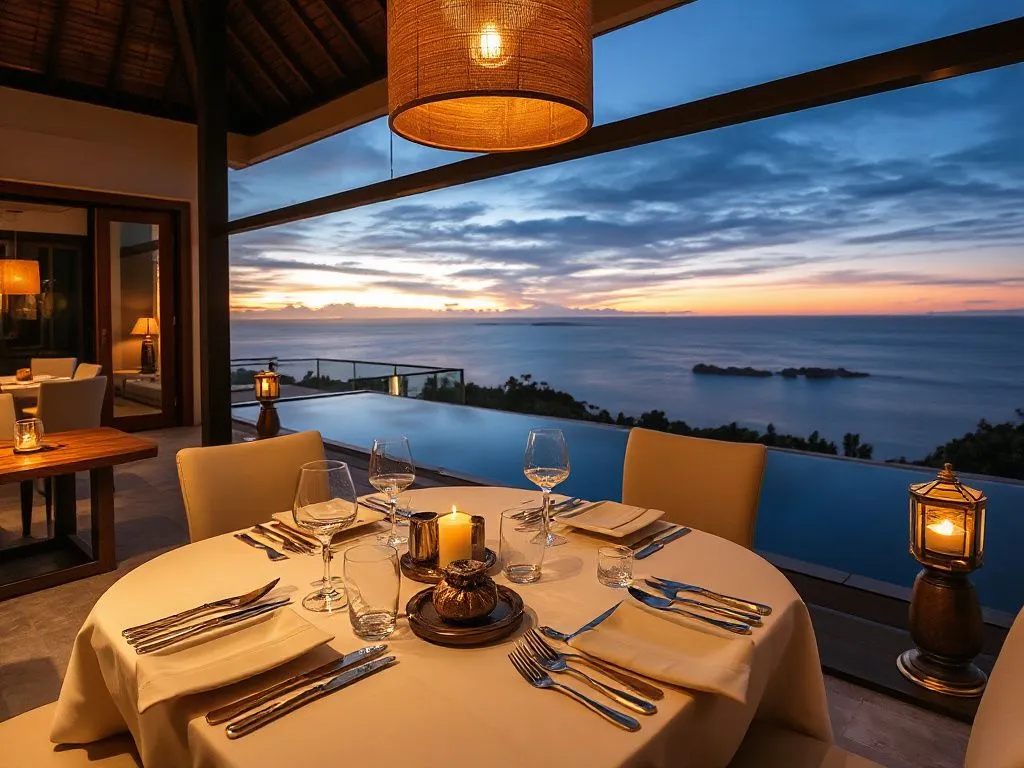
Discover Bali’s luxury dining through hidden gourmet experiences that fuse refined technique with island culture. From multi-course journeys to intimate chef’s tables, Bali reimagines luxury for the adventurous palate. Across Uluwatu cliffs, Ubud’s jungle, and Seminyak’s shores, chefs craft menus that feel transportive yet rooted—omakase progressions, rare wine and tea pairings, and choreography-smooth service. What distinguishes the island is not only the cooking, but how each meal becomes a story told through place, people, and deep respect for heritage.
Overview of Bali’s High-End Dining Scene
Balinese flavors meet global technique, yielding striking, delicious plates. Chefs weave bumbu Bali spice pastes, heritage rice, and coastal aromatics like torch ginger and kaffir lime into modern forms—delicate crudos brightened with sambal matah, or slow-braised meats glazed with palm sugar and tamarind. The theatrics extend beyond the plate: open kitchens, warm lighting, and ceramics by local makers frame each course, while fermentation, nose-to-tail and root-to-leaf, and low-waste practices keep luxury aligned with responsibility.
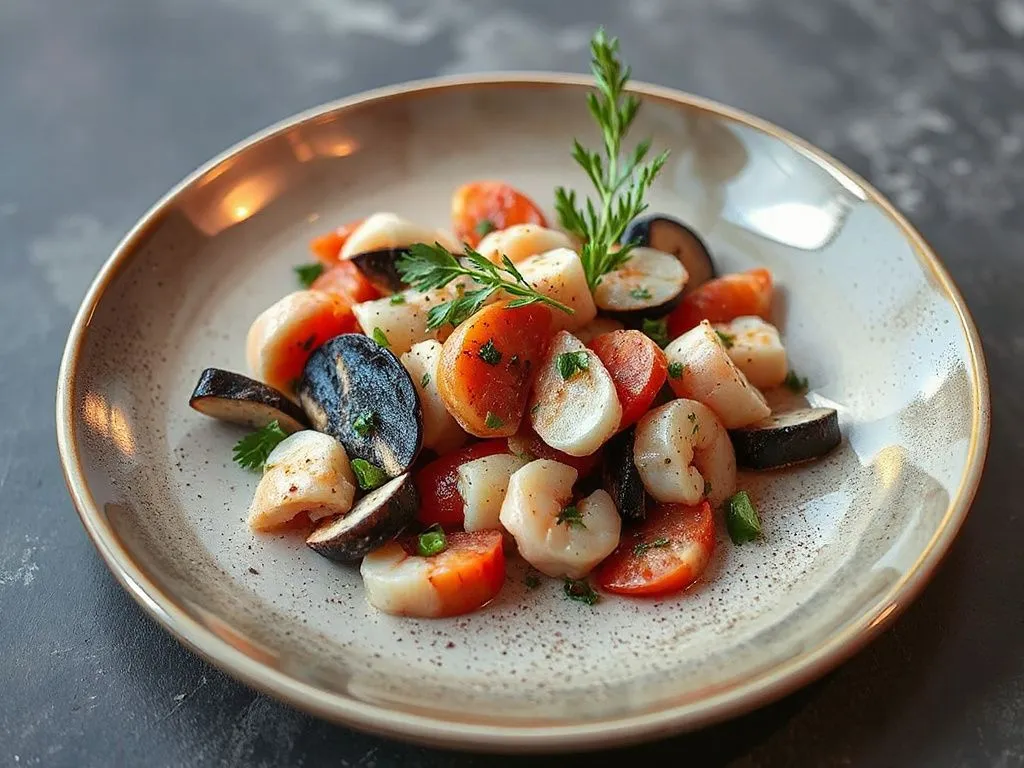
The island’s culinary landscape celebrates local ingredients while embracing global influence, often in singular settings from secluded beaches to sweeping jungles. Candlelit caves, bamboo pods, and private pavilions turn dinner into destination. At Kayuputi at The St. Regis Bali Resort, “Pan-Asian Haute Cuisine” draws on mountain and sea with contemporary technique . Degustations spotlight reef lobster, island tuna, and gently smoked wagyu; champagne trolleys, sake flights, and precision pairings elevate each bite. Attentive yet unintrusive service—linen placed just so, plates arriving in quiet unison—underscores that fine dining here is rhythm and ritual as much as flavor.
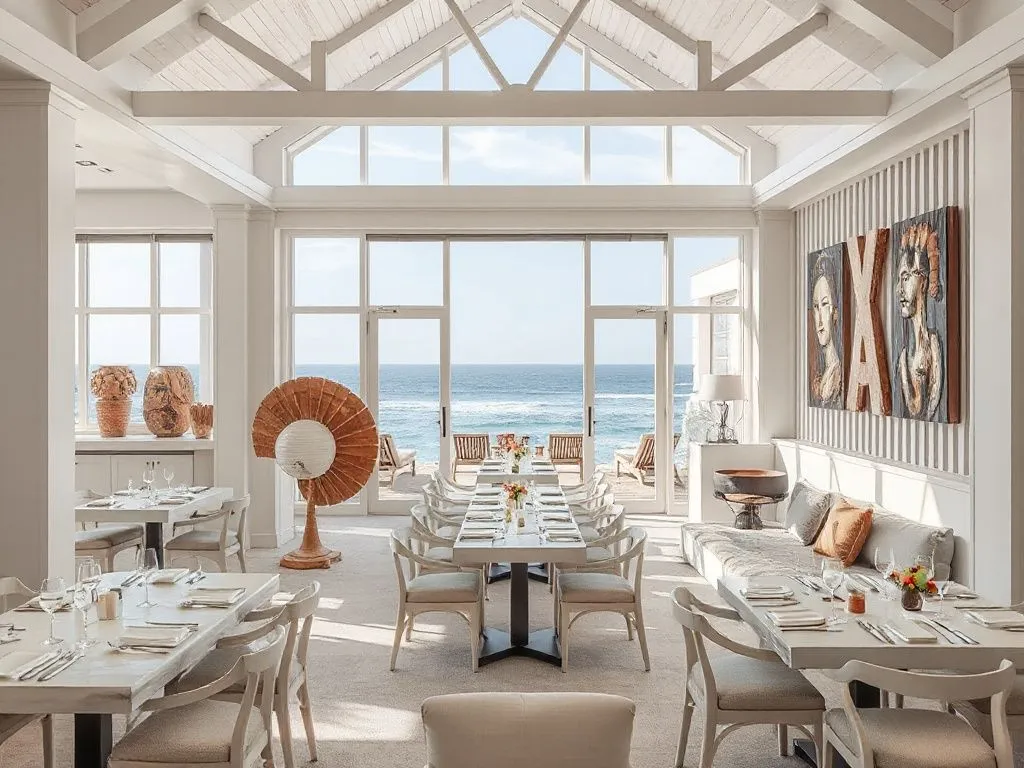
Profiles of Select Hidden Gourmet Restaurants
SJ2.0
SJ2.0 in Seminyak distills dining into art and rarity: eight guests nightly embark on a multi-sensory journey. Evenings open with a spa ritual, then pass through mysterious doors to a hidden chamber. Courses are framed as emotions—around 40 creations that entwine narrative and flavor . Expect playful illusions—aromas from bell jars, edible “perfumes,” and a nitrogen “cloud” that dissolves to reveal texture—alongside a deeply savory consommé. Pairings span boutique wines, crafted infusions, and polished zero-proof elixirs. With micro-capacity and an emphasis on surprise, reservations require foresight; a cocktail-chic dress code and gently moderated photography preserve the mood.
Rumari Counter at Raffles Bali
For tradition grounded in seasonality, Rumari Counter at Raffles Bali offers an intimate, daily-changing omakase built on the freshest local produce and the touch of chef Gaetan Biesuz. By focusing on what’s best now, the restaurant keeps offerings dynamic, crafted from ingredients like line-caught seafood from Balinese fishermen . Seated shoulder-to-counter with the culinary team, guests watch wood-fire, fermentation, and delicate pickling refine market bounty. Sate lilit appears as a refined bite; banana blossom brightens into an herb-laced salad. A flight of sambals maps heat and citrus, heritage rice anchors place, and pairings lean into arak cocktails, tropical vermouths, and thoughtful non-alcoholic blends of coconut, pandan, and kaffir. Limited seats, direct dialogue with the chef, and flexible accommodation of preferences make it personal.
Kubu at Mandapa, A Ritz-Carlton Reserve
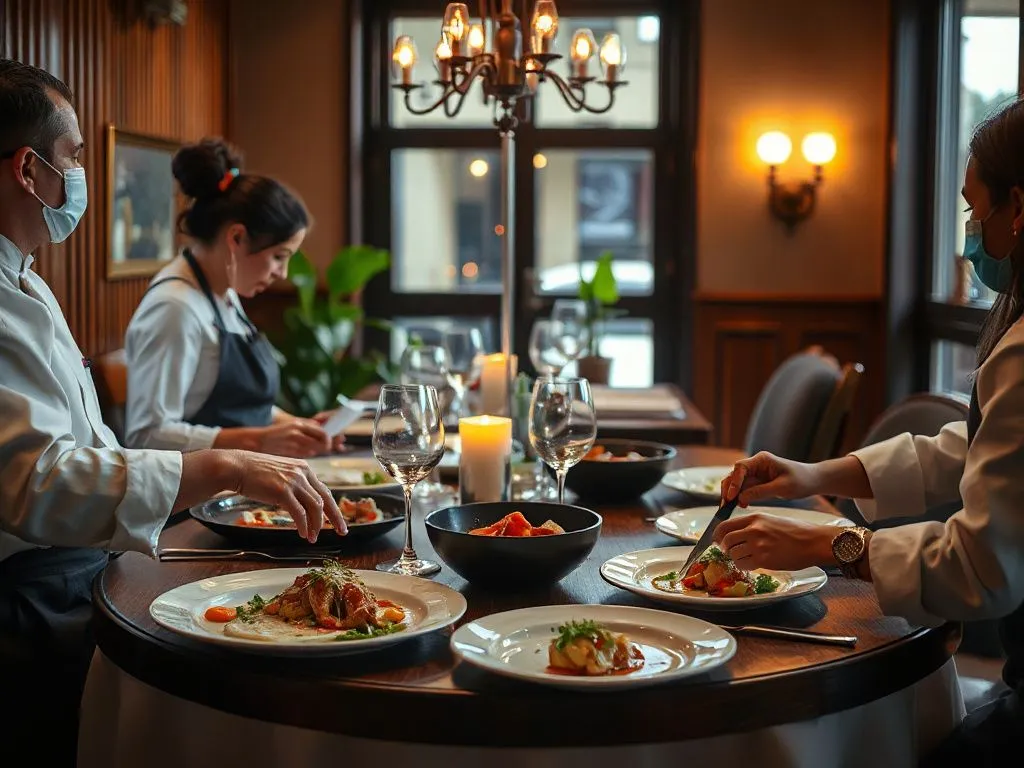
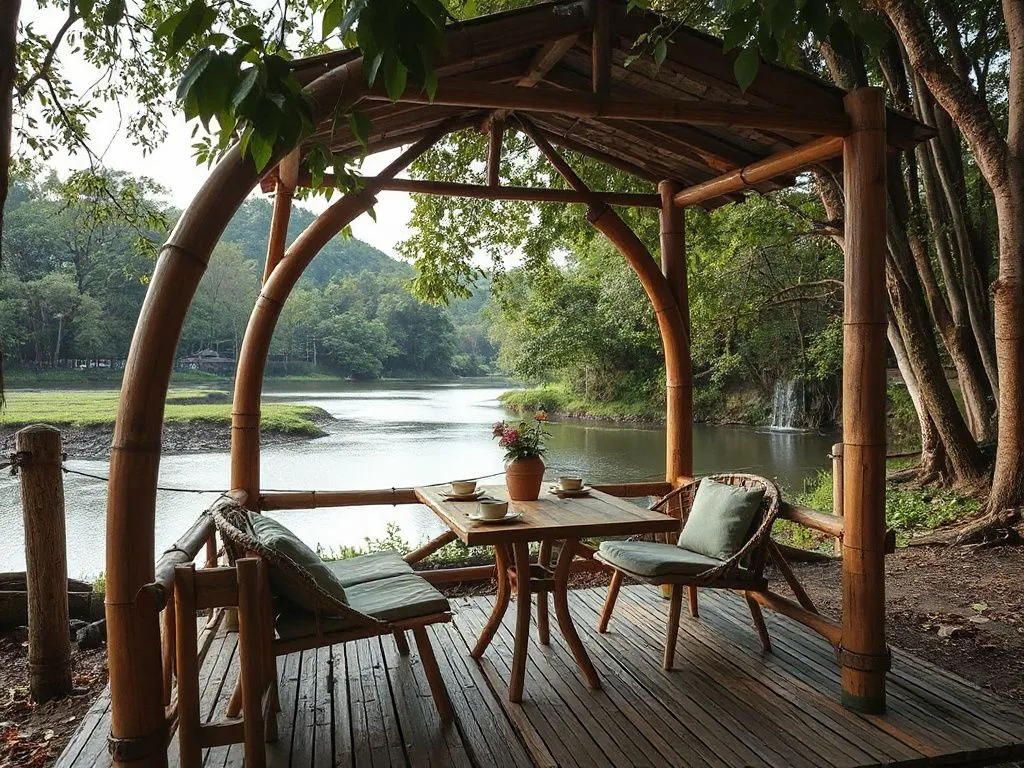
Kubu in Ubud channels terroir through a strict 100-kilometre sourcing ethos championed by chef Eka Sunarya, maximizing local produce from root to leaf while maintaining a European tasting-menu flair . Bamboo cocoons along the Ayung River set a calm stage for smoked barramundi with torch ginger and kemangi, or a reimagined bebek crispy duck layered with spice and citrus. House breads arrive with local sea salts and whipped coconut or kemiri butter; desserts draw on Indonesian cacao or the earthy depth of kluwak. Trimmings become stocks, ferments, or compost, so sustainability is integral, not decorative. The wine list favors terroir-driven, often low-intervention producers that complement the kitchen’s purity.
Integration of Cultural Experiences in Dining
In Bali’s luxury venues, culture is inseparable from cuisine. Rituals, storytelling, and indigenous ingredients turn meals into cultural encounters: canang sari offerings, the soft cadence of gamelan, and handcrafted tableware and textiles that honor artisan communities. Menus read like maps—north-coast spice, highland vegetables, southern reef fish—inviting diners to travel the island without leaving the table.
Experiences such as those at SJ2.0 show how setting can shape narrative as much as the food. Architecture, scent, and sound are curated with intent: frangipani and lemongrass on the air, water features recalling subak irrigation, and pacing that favors conversation over haste. Teams share provenance and lore with quiet confidence, linking modern technique to centuries-old spice routes and kitchen wisdom passed between generations.
Expert Recommendations for Luxurious Dining in Bali
For unforgettable evenings, reserve venues that perform as much as they nourish. Time sunset seatings at places like Kayuputi for serene oceanfront light, and book chef’s counters and ultra-limited seats well in advance. When confirming, share allergies or preferences so the team can personalize your progression. If ambience matters, request a riverside cocoon at Kubu or a window perch at Rumari; golden hour flatters both mood and plate.
Crave evolution and dialogue? Choose Rumari Counter’s ever-shifting omakase. Want a deep sense of place? Let Kubu’s sourcing tell its origin story. Pair tastings with mindful pauses—a mid-afternoon spa visit before a long menu, or a dawn beach walk after late-night omakase—to keep the senses receptive.
To navigate these journeys and more, iaminbali.com offers a concise, up-to-date guide to the island’s most luxurious tables. Explore neighborhood spotlights, seasonal menus and pop-ups, dress codes and transport tips, and advice for securing reservations in peak periods—all designed to help you approach Bali’s extraordinary dining with ease and confidence.
Frequently Asked Questions
What makes Bali’s luxury dining unique?
Bali’s luxury dining is distinguished by its fusion of refined culinary techniques with local culture, creating meals that tell a story through place and heritage. Chefs incorporate local ingredients and global influences, resulting in striking and delicious dishes.
What types of dining experiences can I find in Bali?
Bali offers a range of dining experiences, from intimate chef’s tables and multi-course journeys to unique settings like candlelit caves and bamboo pods. Each venue provides a distinct atmosphere that enhances the culinary experience.
What is the dining experience like at SJ2.0?
At SJ2.0, guests embark on a multi-sensory journey with around 40 courses framed as emotions. The experience includes playful illusions, a spa ritual, and a focus on surprise, with a cocktail-chic dress code.
How does Rumari Counter at Raffles Bali approach dining?
Rumari Counter offers an intimate, daily-changing omakase focused on the freshest local produce. Guests sit shoulder-to-counter with the culinary team, enjoying dishes crafted from seasonal ingredients and engaging directly with the chef.
What sustainability practices are highlighted in Bali’s dining scene?
Sustainability is integral to Bali’s dining, with practices like low-waste cooking, sourcing local ingredients, and using trimmings for stocks and ferments. Restaurants like Kubu emphasize a strict sourcing ethos to maximize local produce.
How can I enhance my dining experience in Bali?
To enhance your dining experience, consider timing your reservations for sunset views, sharing dietary preferences with the restaurant, and choosing venues that offer personalized interactions with chefs or unique settings.