
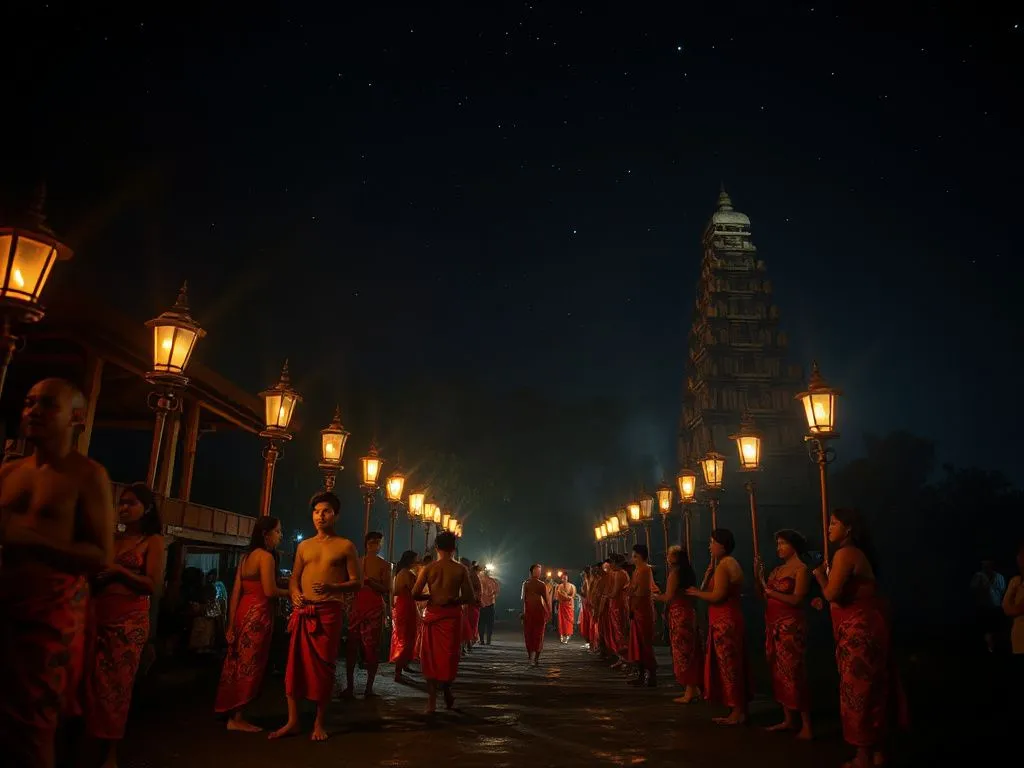
Melukat, a revered Balinese Hindu ritual, is a cleansing that purifies mind, body, and spirit. Experiencing it at night deepens the bond with the island’s mystique. Under temple lamps and the chorus of crickets, senses sharpen and distractions fade. The cool air and starlit sky lend a calm many find grounding and intimate.
Grasping the Cultural Importance of Melukat
Rooted in Balinese Hindu tradition, Melukat is a cleansing to free people from negative energies and bad karma. From the Sanskrit “lukat”—to be freed—it is often held on auspicious days such as Purnama (full moon), Tilem (new moon), Kajeng Kliwon, or personal Balinese birthdays, inviting peace, prosperity, and health. Holy water (tirta) is drawn from springs believed to be fed by sacred volcanoes, symbolizing life‑giving purity that washes away impurities and renews resolve.
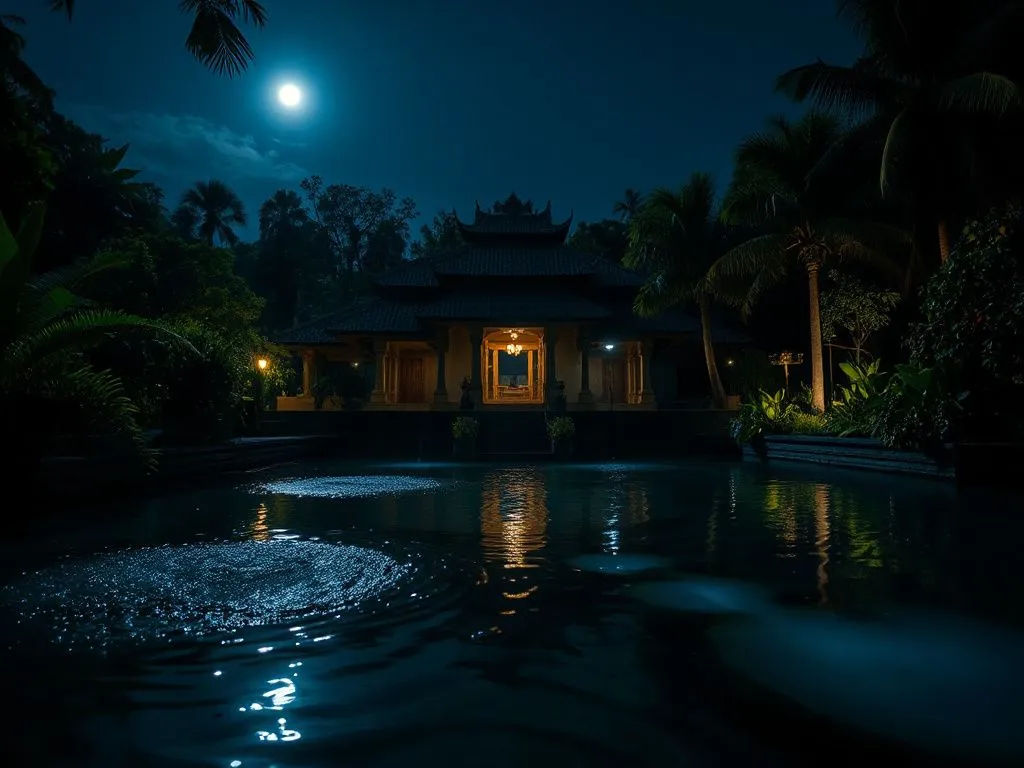
With Bali’s rise as a spiritual destination, Melukat now attracts a global audience. Approach with respect so the experience remains genuine and spiritually rewarding for all involved . Ask temple attendants or your guide for etiquette, move quietly, and avoid stepping on offerings. Follow the priest and locals; a small donation (dana punia) supports the temple. If photography is allowed, be discreet—no flash, don’t pose with your back to the main shrine, and always ask before photographing people in prayer.
Joining a Nighttime Cleansing Ceremony
Night sessions amplify the sacred atmosphere: cooler air, fewer visitors, and a meditative hush. Here is a simple guide to participating; expect contemplation aided by distant gamelan and rustling palms.
Choosing the Right Ceremony
Choose ceremonies led by local priests or healers. Temples such as Tirta Empul in Ubud and Mengening Temple offer genuine rites . Consider smaller village temples or priest‑led compounds for intimacy, confirm evening access, read recent reviews, and favor facilitators who prioritize education and reverence over spectacle.
Getting Ready for the Ritual
Change into a traditional sarong and sash (usually provided). Dress modestly and respectfully, covering shoulders. The priest begins with offerings, incense, and initial prayers. Set a clear intention—clarity, peace, or release. Tie the waist sash securely, remove shoes before entering sacred areas, and tie back long hair. Many avoid alcohol and eat lightly beforehand; bring a towel, dry clothes, and a waterproof pouch for valuables. As with many temples in Bali, women on their menstrual cycle are asked to refrain from entering sanctified inner courtyards.
The Ceremony Steps
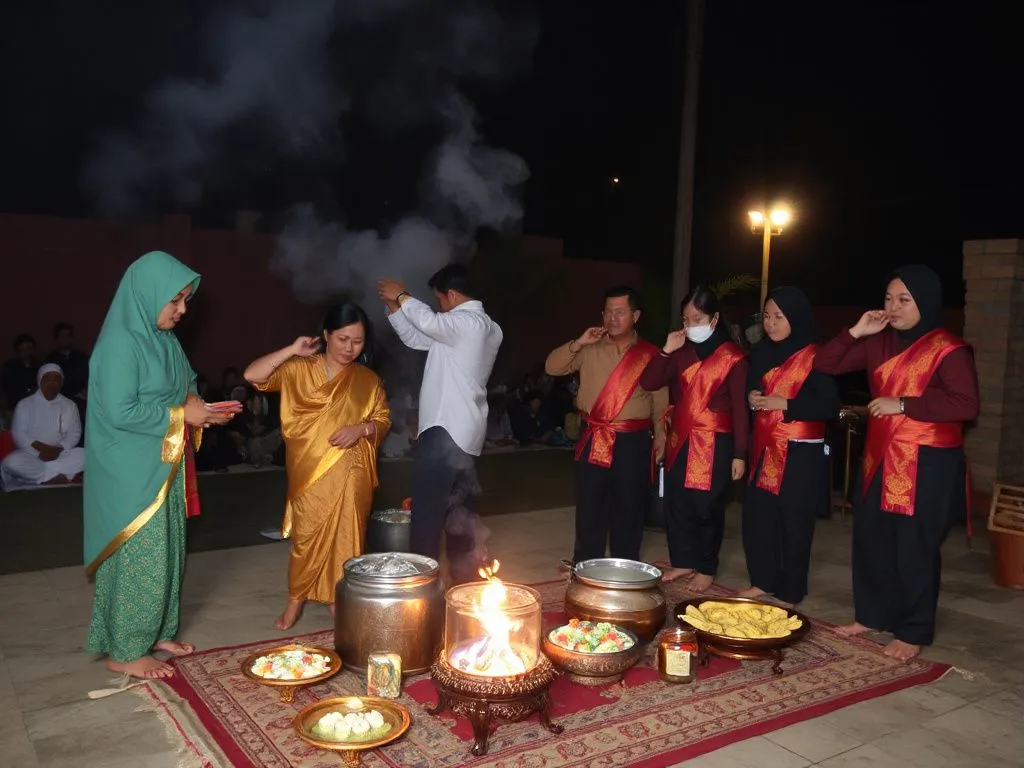
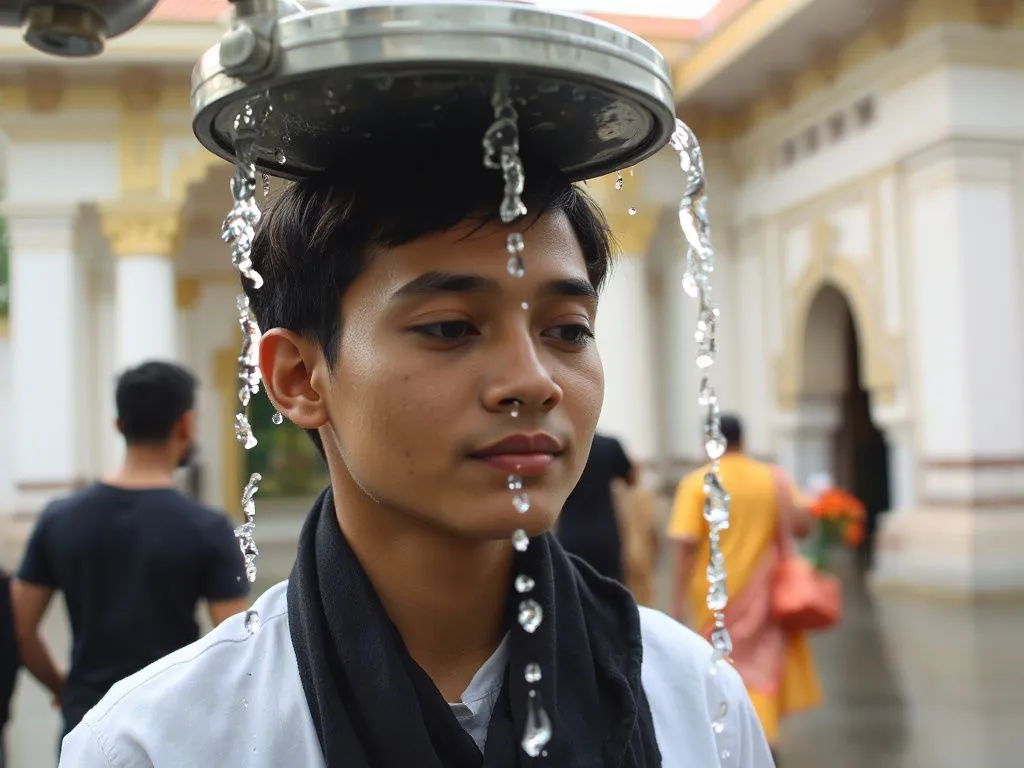
Guided by a priest, participants often sip holy water before stepping beneath a series of spouts. Each stop offers a moment for prayer or reflection as the flowing water cleanses the body and mind . You may receive sprinkles of tirta over the head and shoulders and a few grains of rice (bija) pressed onto the forehead as a blessing. Breathe steadily, repeat a simple mantra if offered, and let the water carry away mental noise. At temples like Tirta Empul, some spouts are associated with funeral rites—your priest or guide will indicate which to skip. Move slowly on the slippery stones, letting the cool water and incense‑scented air anchor you in the present.
Reflecting After the Ceremony
Afterward, reflect quietly; many feel light and emotionally free. Some experience profound releases—tears or waves of joy and calmness . Find a quiet corner of the courtyard to journal, sip warm tea, or sit in silence to integrate the sensations. Vivid dreams and renewed purpose are common; keeping the rice blessing until it naturally falls can extend mindfulness into daily life.
Stories from Participants
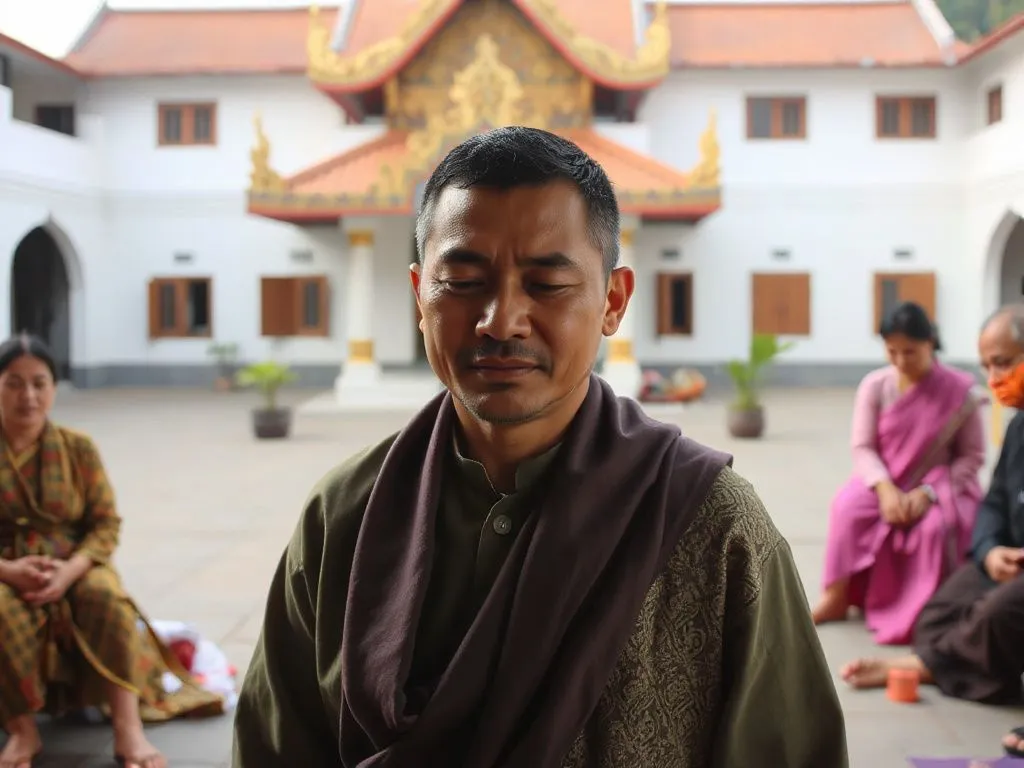
Many describe nighttime Melukat as both spiritual and healing. Traveler Rollins felt lighter and spiritually refreshed, like raw therapy. Elliott experienced an emotional release, shedding tears during purification at the Mengening Temple . A local elder takes his grandchildren for Melukat before exams to calm the mind, saying, “the water teaches you to let go.” Another visitor slept deeply for the first time in months after a moonlit ceremony, waking with quiet confidence that lingered long after leaving Bali.
Finding Genuine Melukat Experiences
Seek ceremonies led by trained Balinese priests or healers at sacred springs or temples. Tirta Empul, famed for its natural spring waters, regularly hosts locals and travelers alike . Reputable facilitators arrange proper offerings, explain temple protocol, and coordinate with caretakers—especially for evening access. Your contribution supports temple life; visiting at off‑peak times also eases pressure on sacred sites.
For responsible engagement, platforms like iaminbali.com offer recommendations and connections to trusted local guides and sacred sites. Prefer small groups, clear inclusions, and respectful photo policies. The best facilitators translate prayers and symbolism, set expectations about timing and water temperature, and prioritize safety without diluting the ritual’s essence.
Conclusion: Embrace the Spiritual Renewal
Participating in a nighttime Melukat ceremony in Bali is more than a cleansing ritual; it is a journey of renewal and insight. With careful preparation and a sincere heart, this cultural experience can bring clarity, peace, and a transformative pause from daily life. Enter with a simple intention, breathe with the water’s rhythm, and let the night quiet the mind so deeper guidance can be heard.
For those interested in exploring Bali’s mystical offerings, consider visiting iaminbali.com for genuine experiences and personalized guidance to enrich your journey. Embrace the tranquility and spiritual depth of Bali’s Melukat nights, and step onto a path of renewal. If possible, plan around the full moon, pack modest attire and a quick‑dry sarong, and carry patience and respect—essentials that open doors to Balinese wisdom and the ceremony’s quiet grace.
Frequently Asked Questions
What is the Melukat ritual in Bali?
Melukat is a Balinese Hindu cleansing ritual aimed at purifying the mind, body, and spirit, freeing individuals from negative energies and bad karma. It is often performed on auspicious days and involves the use of holy water drawn from sacred springs.
How can I prepare for a Melukat ceremony?
To prepare for a Melukat ceremony, change into a traditional sarong and sash, dress modestly, and set a clear intention for the ritual. It’s also advisable to avoid alcohol, eat lightly beforehand, and bring a towel and dry clothes.
What should I expect during the Melukat ceremony?
During the ceremony, participants sip holy water and step beneath a series of spouts for cleansing. Each stop offers a moment for prayer or reflection, and blessings may include sprinkles of holy water and grains of rice pressed onto the forehead.
What is the significance of participating in a nighttime Melukat ceremony?
Nighttime Melukat ceremonies enhance the sacred atmosphere, providing a meditative hush and cooler air, which many find grounding. This setting allows for deeper reflection and connection with the spiritual aspects of the ritual.
How can I find a genuine Melukat experience in Bali?
To find a genuine Melukat experience, seek ceremonies led by trained Balinese priests at sacred springs or temples like Tirta Empul. It’s important to choose reputable facilitators who respect the ritual’s essence and provide proper guidance.