

When the sun sets behind Bali’s green landscapes, a different realm awakens. Eco-friendly night tours reveal Bali’s natural charm and wildlife while advancing sustainable tourism. As daylight fades, the soundscape shifts to frogs and rustling palms, and constellations crown terraced hills. These tours invite a slower pace: you walk, listen, and breathe in wet earth and clove, noticing details daytime blurs. Whether solo, with friends, or as a family, darkness becomes a guide, opening space for quiet wonder. Many operators also teach ethical photography so memories are captured without stressing wildlife or disturbing sacred sites.
Distinctive Nighttime Wildlife and Natural Wonders
If you think Bali’s allure stops at its beaches and temples, night tours prove otherwise. In Taro, a traditional village with a special ecosystem, fireflies illuminate rice fields. Revered in Balinese culture as symbols of light and wisdom, they’re central to a conservation effort led by local expert Wayan Wardika. Taro’s subak-fed terraces create moist shelters fireflies love; on moonless nights after rain, flickering constellations ripple over paddies. Guides explain how farmers coordinate planting and water to balance yields with habitat, showing conservation and tradition can flourish together.
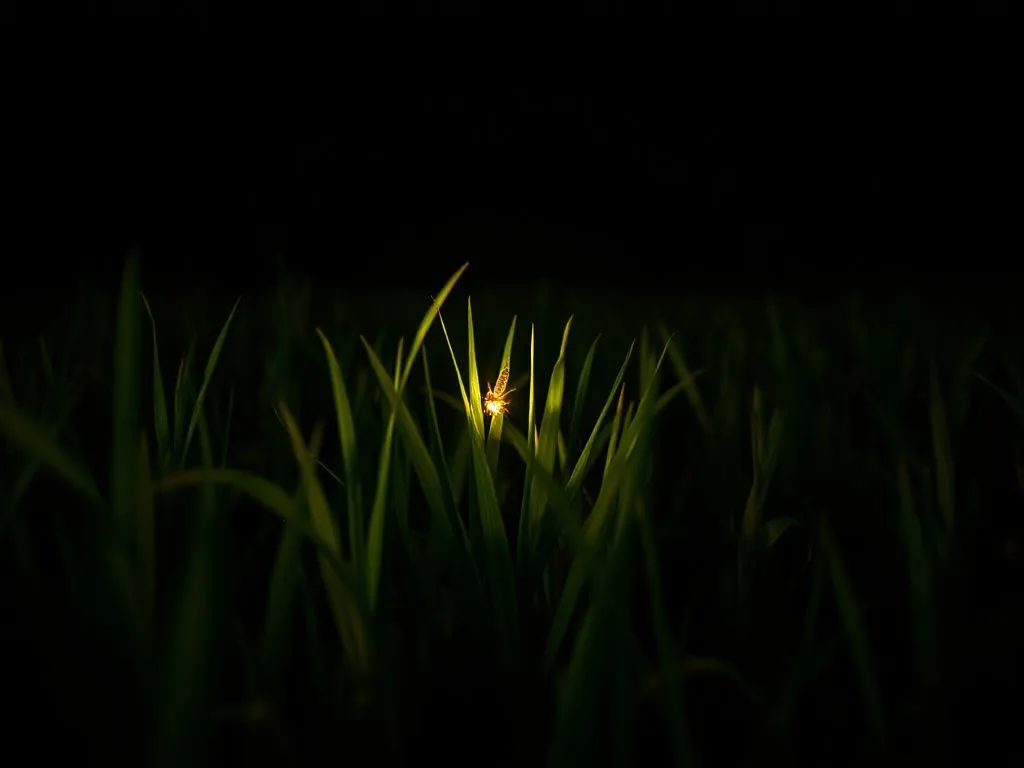
Firefly tours often begin at a breeding lab, where visitors learn how habitat loss and light pollution threaten these insects and how delicate their life cycle is. Larvae need clean, slow-moving water; adults use bioluminescent codes to find mates, so guides rely on red-filtered lights. Some programs invite guests to log sightings as citizen scientists, informing restoration. Practical fixes—shielded village lighting, organic pest control, and native plantings along waterways—show how communities reduce pressure on fragile populations.
Other Nighttime Inhabitants
Beyond fireflies, guided night walks—such as those offered by Bali Eco Lodge—reveal civets, scops owls, and flying foxes pollinating night-blooming flowers, a service vital to forest regeneration. Tokay geckos click from stone walls, and, with luck, harmless tree frogs or land crabs appear near streams. Etiquette matters: keep distance, avoid direct spotlighting, and let encounters unfold without crowding. Many guides have birding or herpetology training, ensuring both safety and insightful interpretation.

Eco-Friendly Tour Choices and Providers
Several tour providers in Bali pair low-impact travel with meaningful outcomes. The Fireflies Journey blends conservation education with a Balinese cooking class and cultural conversations, led by passionate locals. Revenue supports heirloom-rice seed banks, school workshops, and habitat protection, creating a clear link between your visit and on-the-ground results. Menus spotlight organic village produce, with vegetarian and vegan options, and elders sometimes share lore of Dewi Sri, connecting shimmering paddies to cycles of fertility and gratitude.

Similarly, the Bali Night Safari explores Ubud’s countryside through a guided night jungle walk and a Balinese dinner. Tours follow ethical principles, keep groups small, and use shared, low-emission transport to reduce noise and trail wear. Some itineraries add simple stargazing or brief lessons on red-light headlamps. Farm-to-table meals draw from nearby farms, and operators publish strict animal-welfare and no-feed policies so guests understand how their visit supports conservation.
Eco-Conscious Practices
These tours echo Bali’s wider eco initiatives: organic farming and chemical-free practices that sustain habitats. In Taro, organic fertilizers foster richer biodiversity and healthier environments for nocturnal species. Trails are maintained to prevent erosion; composting and rainwater harvesting limit strain on local supplies. Many sites use solar, warm-spectrum lights less disruptive to insects and birds. Operators cap group sizes, restrict flash photography, and carry wildlife-aware first-aid kits, with protocols to minimize stress during unexpected encounters. Partnerships with universities and NGOs ensure monitoring and improvements follow current science.
Tips for Responsible Night Travel in Bali
For a rewarding, low-impact night tour, bring a reusable water bottle, skip single-use plastics, and choose operators that fund local conservation. Keep voices low, follow guides, and opt for eco-friendly transport. Wear closed-toe shoes with good grip, a light rain jacket, and muted clothing. Use biodegradable insect repellent sparingly and avoid strong fragrances. Stay on marked paths, never feed animals, and leave drones at home. For peak firefly displays, book around the new moon after rains; in high season, reserve early for small groups.
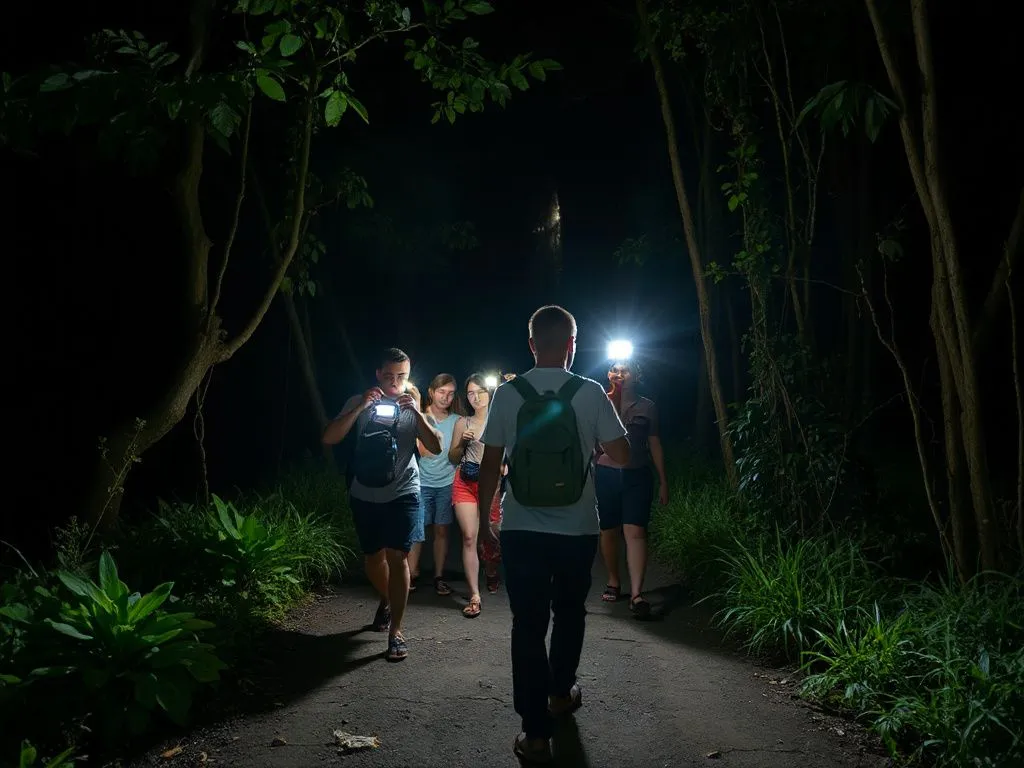
Understanding the cultural and ecological context deepens the journey. Local guides illuminate the Balinese philosophy of Tri Hita Karana—harmony among people, nature, and the spiritual. Carry a sarong if passing temples, accept offerings only with guidance, and learn a few Balinese phrases. Choose operators that hire locally and share revenue transparently; your visit then supports village livelihoods and the stewardship that keeps these habitats thriving after dark.
Conclusion
Exploring Bali’s nighttime havens through eco-friendly night tours is more than a walk in the dark; it’s an enlightening reminder that sustainability safeguards wonder. By choosing eco-conscious tours, you help preserve the island’s wildlife and natural beauty. For more information on these experiences, visit iaminbali.com , and start planning your responsible night adventure. Travel during shoulder seasons if you can, when trails are quieter and guides have more time to share stories and science. Long after your eyes adjust, you’ll remember green sparks over water, the hush of leaves, and the sense that thoughtful travel can help protect the magic it seeks.
Frequently Asked Questions
What can I expect to see on an eco-friendly night tour in Bali?
Eco-friendly night tours in Bali reveal unique wildlife such as fireflies, civets, scops owls, and flying foxes. Visitors can also experience the beauty of Taro’s rice fields illuminated by fireflies and learn about local conservation efforts.
How do night tours in Bali promote sustainable tourism?
Night tours in Bali promote sustainable tourism by educating visitors on conservation, partnering with local communities, and supporting eco-friendly practices. Revenue from these tours often funds habitat protection and local workshops.
What should I bring for a night tour in Bali?
For a rewarding night tour in Bali, bring a reusable water bottle, wear closed-toe shoes, and dress in muted clothing. It’s also advisable to use biodegradable insect repellent sparingly.
How do local guides enhance the night tour experience?
Local guides enhance the night tour experience by sharing insights about Balinese culture, ecology, and wildlife. They ensure safety and provide interpretation based on their training in birding or herpetology.
What are some tips for responsible night travel in Bali?
To travel responsibly at night in Bali, keep voices low, stay on marked paths, and avoid feeding animals. Choose operators that support conservation and respect local customs during your visit.
What is the significance of fireflies in Bali’s culture?
Fireflies are revered in Balinese culture as symbols of light and wisdom, playing a central role in conservation efforts led by local experts. Their presence in rice fields reflects the harmony between nature and tradition.