
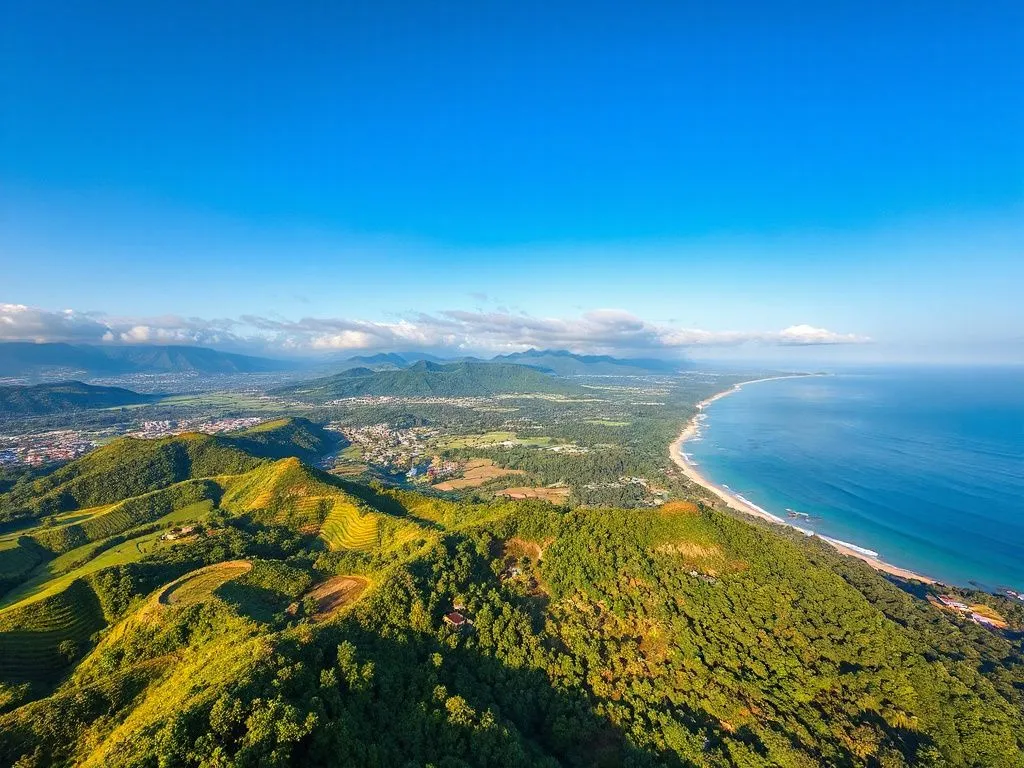
Bali is a favorite destination, yet its lesser-known seasons reveal a unique side of the island. By exploring these “hidden seasons,” visitors can discover more genuine moments and dodge the typical crowds. When you tap into Bali’s changing weather and tourist trends, you can craft a getaway that suits your preferences. These windows bring milder breezes, better room availability, and friendlier prices, with market mornings and temple rehearsals more noticeable to those who slow down.
Grasping Bali’s Weather and Hidden Seasons
Bali enjoys a tropical climate with minor temperature variations throughout the year, usually between 28°C and 32°C (82°F to 90°F) . The island’s weather is divided into the dry season (April to September) and the rainy season (November to March) . The transitional periods—April to June and September to October—are often-overlooked gems for visitors . Microclimates matter: upland areas like Ubud and Munduk run a little cooler and see more afternoon showers, while eastern and northern coasts (Amed, Lovina) tend to be drier. Southeast trade winds ease humidity mid-year, highland nights can feel crisp, and seas are calmer many mornings in the dry months, with bigger west-coast swells for surfers.
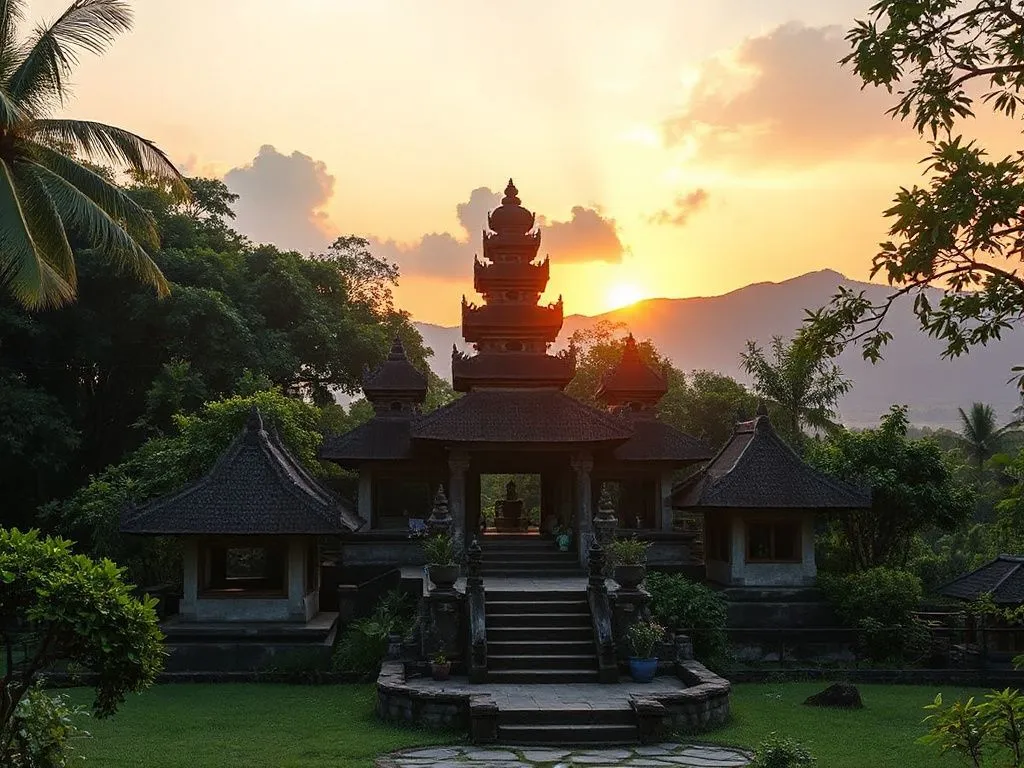
Dry Season Advantages: Look forward to clear skies and less humidity—perfect for beaches and outdoor exploration. Remember, it coincides with peak travel, especially in July and August . Underwater visibility improves, sunrise hikes reveal clear horizons, and terraces glow at harvest. Reserve beach clubs, drivers, and activities ahead.
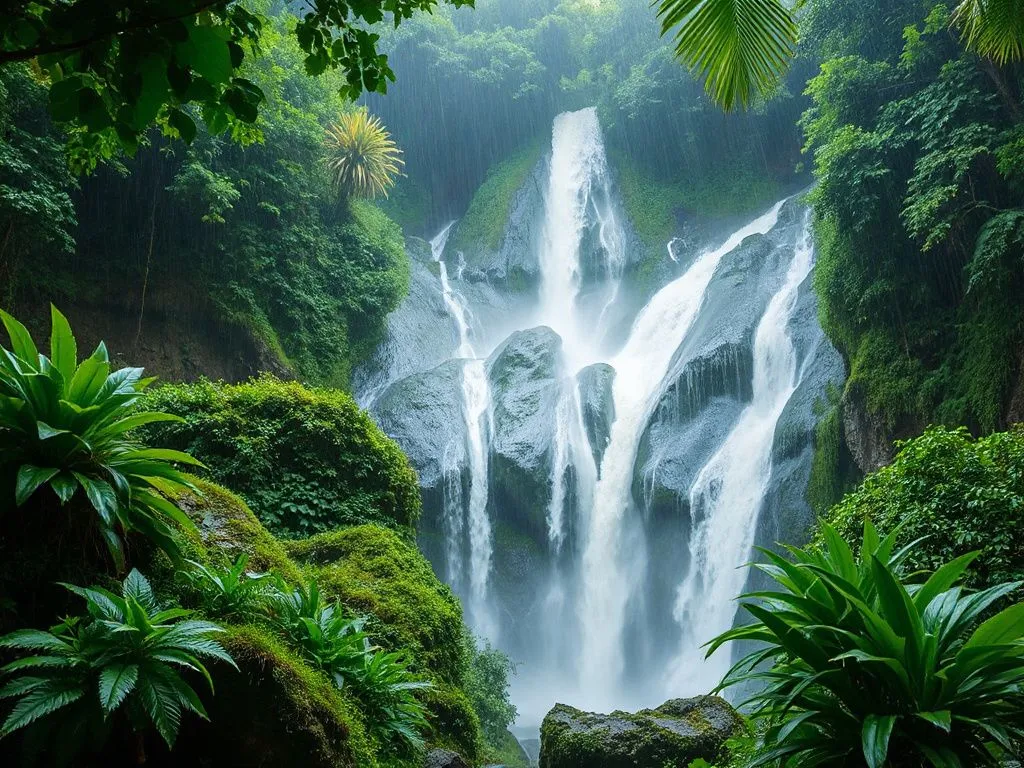
Rainy Season Appeal: The wet months bring lush landscapes and fewer visitors. Rain often falls in brief afternoon showers, making mornings ideal for temple tours or yoga sessions in tranquil Ubud settings . Fields glow green, waterfalls surge, and dramatic post-storm light rewards photographers. Showers often pass within an hour—carry a light poncho, quick-dry footwear, and allow extra time on wet roads. Wellness retreats and boutique stays may also release attractive seasonal offers.
Navigating Tourist Patterns for a Unique Visit
Understanding when and where crowds gather helps you plan a quieter, more authentic trip. Major holidays attract large numbers to popular spots, but with a bit of planning, you can steer clear of the rush. Expect surges during Australian winter (June–July), European summer (July–August), and Christmas–New Year. Canggu, Seminyak, and Uluwatu peak then; the north and west stay calmer.
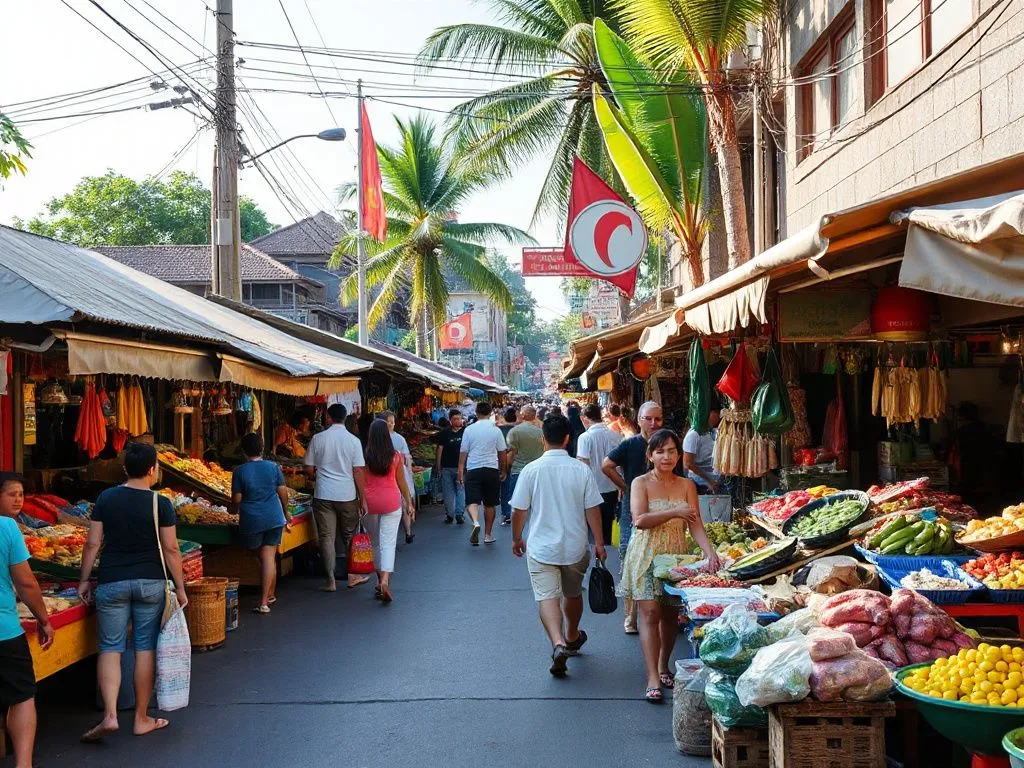
Dodging the Crowds: The shoulder seasons (April–June, September–October) usually attract manageable visitor numbers, making it easier to enjoy famous attractions at a leisurely pace . Arrive at temples at opening or linger after tour buses leave. Pair marquee stops with quieter neighbors—Gunung Kawi Sebatu after Tegallalang, or sunrise at Sanur instead of Kuta.
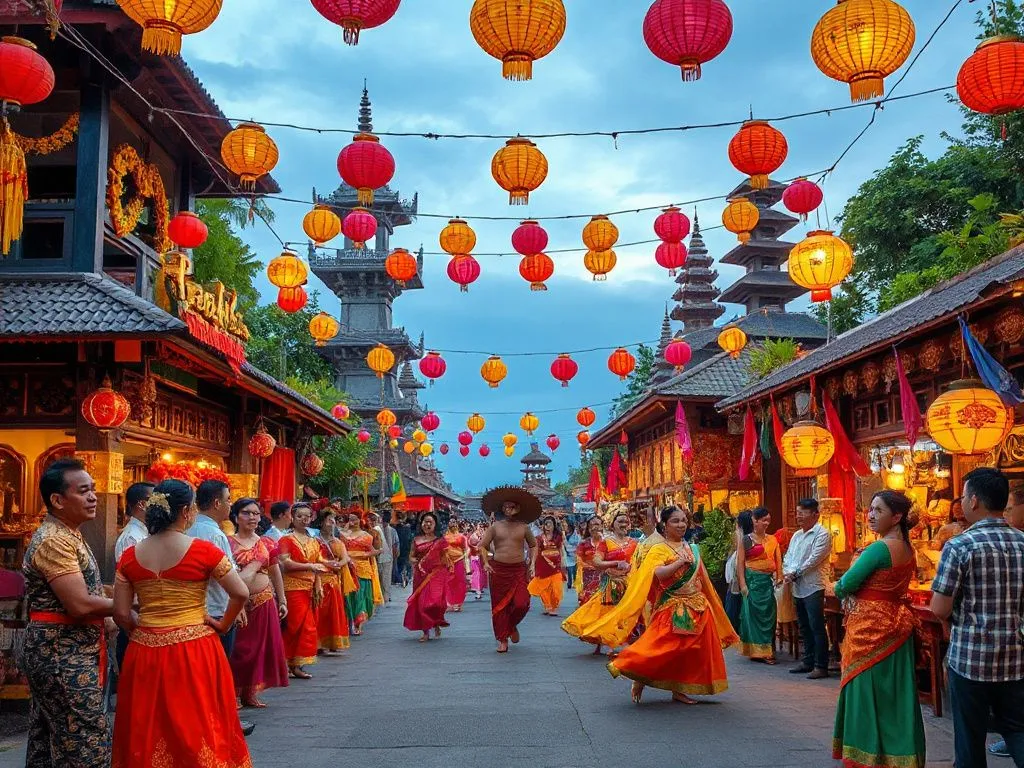
Cultural Events and Celebrations: Visiting during the off-season can coincide with unique cultural events, like the Pemuteran Bay Festival and Chinese New Year, offering a deeper insight into Balinese life . Nyepi (Day of Silence, around March) brings an island-wide pause—airports close and stars blaze. During Galungan and Kuningan, villages bloom with penjor poles. Dress modestly and wear a sarong in temples.
Weather Adaptations and Activity Options
Your plans may change with the seasons. Embrace outdoor activities during dry periods and enjoy indoor cultural experiences when rain is more common. Keep ocean plans flexible and slot cultural dives when clouds gather so weather adds variety, not stress.
Indoor and Outdoor Options: In the dry season, consider hiking Mount Batur or surfing the west coast’s famous waves. When it rains more frequently, choose museums or a soothing spa day . Balance days with a cooking class, a batik or silversmith workshop, or a gamelan visit. Chase waterfalls early and heed local advice after rain.
Exclusive Event Highlights: Off-Peak Discoveries
Bali’s hidden seasons offer standout events rich in culture and lighter on crowds. They appeal to travelers interested in arts and local traditions. Seek small artisan markets or eco-workshops that welcome travelers to contribute.
Ubud Writers & Readers Festival: Happening in October, this shoulder-season highlight features a full schedule of discussions and performances . Events span cafes and heritage venues, with day passes, intimate workshops, and culinary walks that weave stories with flavor.
Pemuteran Bay Festival: This off-season event mixes community and conservation, inviting guests to participate in environmental activities along with local music and food. Expect Biorock reef tours, community clean-ups, night markets, and family snorkeling clinics—a fun, purposeful mix.
Practical Tips for Planning Your Bali Trip
To make the most of Bali’s hidden seasons, plan with both changing weather and varying crowd levels in mind. Hidden seasons often mean better rates—verify cancellation terms, carry travel insurance, and consider splitting your stay across two regions.
Adaptable Itineraries: Include buffer days so you can adjust according to the forecast. During transitional periods, seek accommodations with flexible booking policies . Try 3 nights Ubud, 2 in Sidemen, and 3 by the sea (Amed or Jimbaran), timed with forecasts, tides, and sunrise charts.
Morning Exploration: Focus on sightseeing in the morning when conditions are often sunnier, and reserve afternoons for activities that are best indoors. Sunrise near 6am suits cooler temple visits; rest at midday, then return for golden-hour strolls and mellow night markets.
Conclusion: Discover the Secrets of Bali’s Seasons
Visiting Bali in its lesser-known seasons opens up opportunities for experiences beyond the typical paths. These periods can provide meaningful encounters, potential savings, and a richer understanding of Balinese culture. As you plan your ideal getaway to Bali, consider how iaminbali.com’s personalized suggestions can help you create a seamless and unforgettable journey. Visit iaminbali.com for more travel tips and personalized plans that highlight the best of Bali’s hidden treasures. These windows support gentler travel and deeper connection. With tailored ideas, logistics, and vetted local guides, iaminbali.com turns good timing into a great trip.
Frequently Asked Questions
What are Bali’s hidden seasons?
Bali’s hidden seasons refer to the transitional periods between the dry and rainy seasons, specifically from April to June and September to October. These times offer milder weather, fewer crowds, and unique cultural experiences.
What are the benefits of visiting Bali during the rainy season?
The rainy season brings lush landscapes and fewer tourists, with rain typically falling in brief afternoon showers. Mornings are ideal for activities like temple tours or yoga, and the vibrant scenery rewards photographers.
How can I avoid crowds while visiting Bali?
To avoid crowds, plan your visit during the shoulder seasons of April to June or September to October. Arriving at popular attractions early or visiting lesser-known sites can also help you enjoy a quieter experience.
What cultural events can I experience in Bali’s off-season?
Visiting during the off-season allows you to participate in unique cultural events such as the Pemuteran Bay Festival and Chinese New Year, which provide deeper insights into Balinese life and traditions.
What outdoor activities are recommended during Bali’s dry season?
During the dry season, popular outdoor activities include hiking Mount Batur and surfing the west coast’s famous waves. The clear skies and lower humidity make these experiences particularly enjoyable.
How should I plan my itinerary for Bali’s hidden seasons?
When planning your itinerary, include buffer days for flexibility based on weather forecasts. Consider splitting your stay across different regions and focus on morning exploration for optimal conditions.