
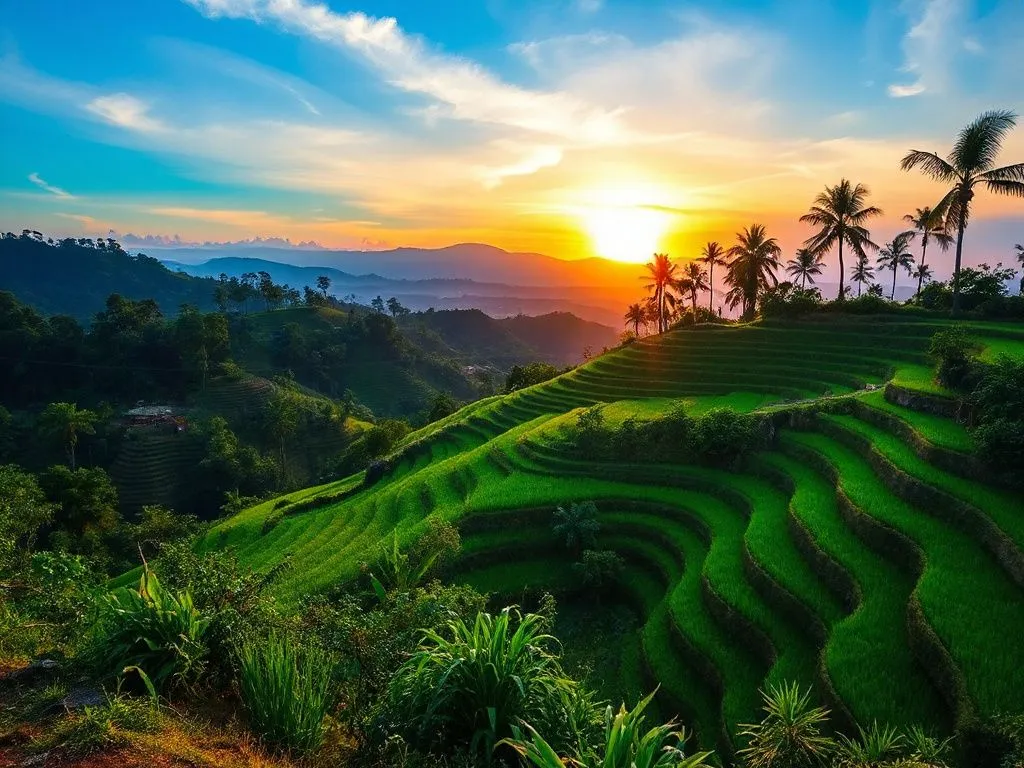
Discover Bali’s overlooked shoulder season, when you get sunny skies, easy reservations, and major savings without peak-season crowds. April to May and September to October deliver beach-perfect weather at a fraction of the price. Below are smart plans, money tips, and cultural cues to help you roam with ease. Expect balmy trade winds, blooming hillsides, and that sweet spot of energy—lively yet unhurried. With open tables and flexible bookings, you can follow curiosity to roadside temples, cafés, or quiet coves. Whether you’re chasing surf, slow travel, or a family escape, this window makes Bali feel spacious and personal.
Understanding Bali’s Shoulder Season Advantages
Set between the island’s busiest periods, Bali’s shoulder season lets you enjoy headline sights without the crush. From April to May and September to October, hotel rates commonly drop 30–40% from peak, and top rooms are easier to snag—often with perks. Expect 26–30°C (79–86°F) days and lighter humidity than the wet months. Many properties add complimentary breakfast, spa credits, transfers, or late check-outs, while boutique stays that sell out in July–August suddenly open up. On the road, traffic eases, day trips run smoother, and sunrise outings feel inviting rather than hectic.
It’s also the moment for a more genuine Balinese rhythm. Ubud’s rice terraces and Uluwatu’s cliffs breathe again, with gentler breezes on the southern coast and cooler highland evenings for al fresco meals or market strolls. Conversations with artisans and temple caretakers become unhurried, and photography is easier without crowds. For itinerary ideas and seasonal comparisons, consult for added context and planning tools.
Detailed Plans: Discovering Hidden Gem Adventures
Day 1: Culture and Cuisine in Ubud
Start in Ubud, where Tegallalang Rice Terraces glow in April–May. Browse craft markets, then visit the Blanco Renaissance Museum. Add a sunrise stroll on the Campuhan Ridge and pause at Saraswati Temple’s lotus ponds. Join an afternoon cooking class to master bumbu Bali spice pastes and sample single-origin coffee at a tiny roastery. For dinner, choose a family-run warung—ask about regional takes on babi guling, lawar, or vegetarian nasi campur; relaxed service often means chefs happily share their stories.
Day 2: Beach Bliss and Uncrowded Surf at Seminyak
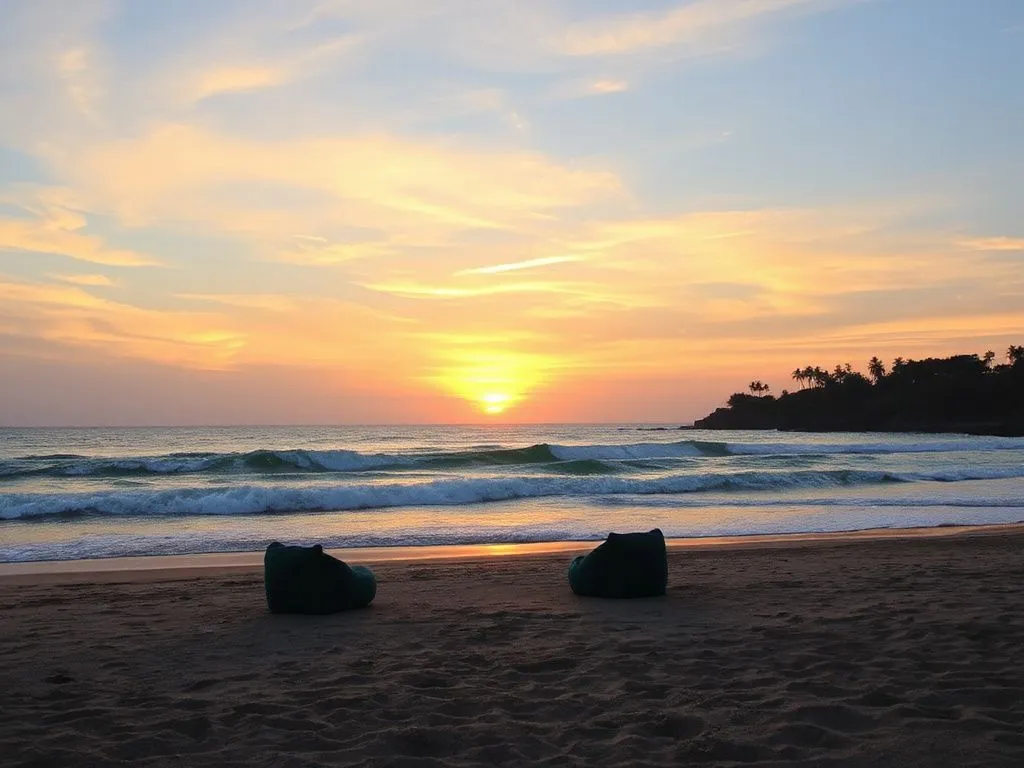
Drift to Seminyak for a slower beach day. In shoulder months, clubs feel intimate, and surf lessons in nearby Legian run with smaller groups. Visit Petitenget Temple for a quiet cultural stop, then browse boutiques offering low-season sales. Sunset brings beanbags at Double Six Beach, fewer hawkers, and an amber horizon. Prefer wellness over waves? Book a mid-afternoon massage—schedules are wide open and rates friendlier. Cap it with international-meets-local plates at a beachfront restaurant.
Day 3: Private Temples and Hidden Beaches in Southern Bali
Go early to Uluwatu Temple for cliffside views in near silence, then head to Nyang Nyang’s secluded sands for a stroll or picnic. Pack a sarong for temple etiquette and sturdy shoes for the descent. If timing fits, stay for the Kecak fire dance—seats are easier to secure now. Afterward, wander Suluban’s sea caves or watch surfers from the cliffs near Single Fin as pastel skies and a steady breeze cool the evening.

Day 4: North Bali Adventure at Lovina and Beyond
Continue to Lovina for dolphin watching; with fewer boats, the outing feels personal. Dive Pemuteran or unwind on quiet black-sand beaches, then savor a seafood dinner fresh from the day’s catch. Detour to Banjar hot springs for a lush soak or chase waterfalls at Gitgit or Sekumpul when trails are calmer. Snorkelers can aim for Menjangan Island’s clear, gentle reefs. After dark, the north’s low light pollution turns shorelines into easy stargazing spots.

Money-Saving Tips and Suggestions
Shoulder-season travel lowers more than hotel costs—airfares, tours, and activities often dip as demand eases. Book several months ahead to lock flight and room deals. Set fare alerts, target midweek departures, and consider open-jaw flights if routes allow. On-island, schedule paid excursions for weekdays, when operators may add bonuses or small discounts. If hopping islands, pack light and book early on domestic carriers to trim baggage fees and snag the best schedules.
Hunt for packages bundling lodging, dining credits, and cultural or wellness experiences. Resorts spotlight amenities now, so spa visits or chef’s tables are easier and better priced. tracks seasonal sweet spots for comparison. Ask hotels about inclusions like transfers, yoga classes, or kids’ club access; many are complimentary in these months. Flexible cancellation is common—confirm terms to keep plans nimble. For transport, compare a day-rate driver with a scooter rental, and grab a local SIM at the airport to run ride-hailing apps and offline maps without roaming fees.

Local Insights: Avoiding Crowds and Embracing Culture
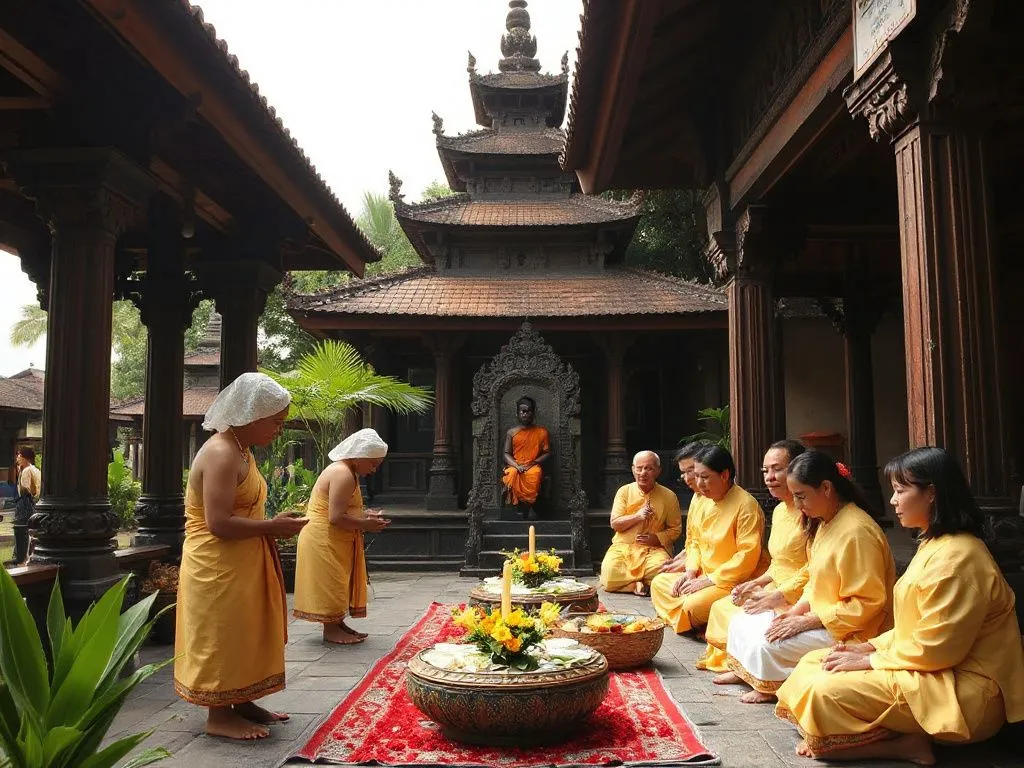
In shoulder season, headline sites regain calm. Tegallalang and Ubud Palace feel unhurried, while cooking classes and small temple ceremonies offer real glimpses of local life—without jostling. Dress modestly for temples, wear a sarong when required, and step around daily canang sari offerings. Always ask before photographing people or rituals, and keep drones away from sacred areas. Arrive at opening or near closing for golden light, gentler pacing, and friendlier chats with vendors.
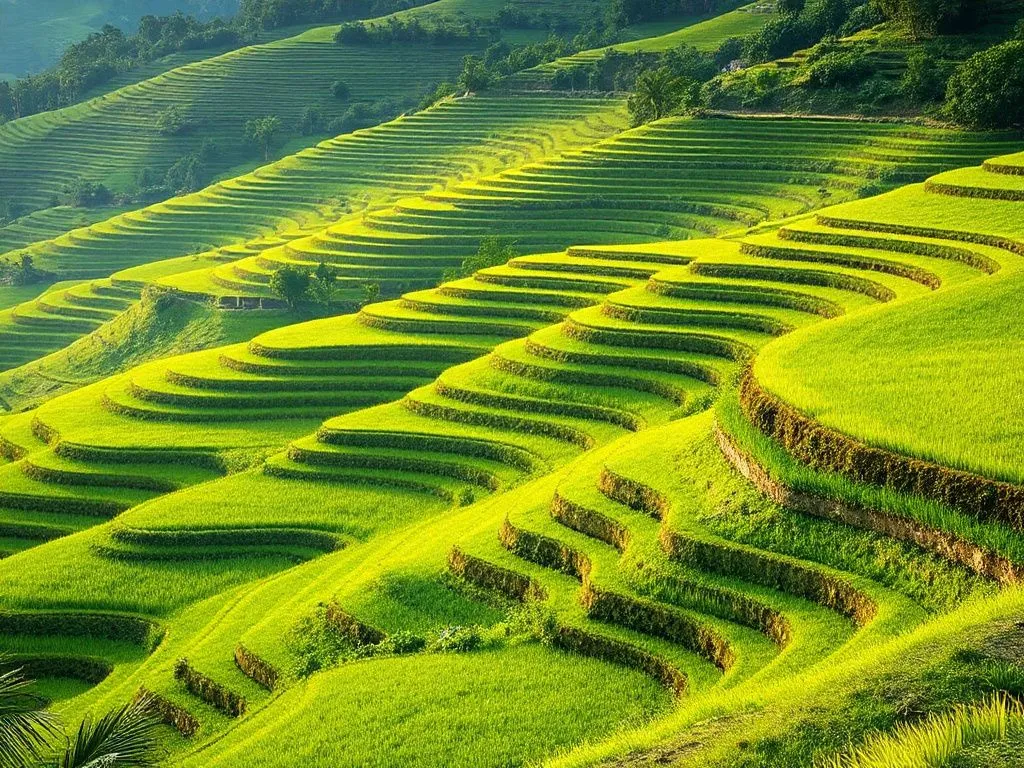
April–May brings lush, post-rain landscapes—great for photographers—while September–October offers clear skies and excellent underwater visibility. Divers should consider Nusa Penida; intermediate surfers often find the Bukit Peninsula cooperative now. Inland, cooler nights suit a pre-dawn Mount Batur hike. Depending on the calendar, festivals like Galungan and Kuningan may align; check dates and observe respectfully. Rice fields shift from neon green to gold through these months—time terrace visits for the hue you prefer.
Conclusion: Maximizing Your Bali Experience
Visiting in shoulder season invites relaxed, meaningful travel and real savings. With fewer tourists, service feels more attentive, and it’s easier to connect with the island’s landscapes and communities. Choose these months to experience culture without the rush. Travel light and sustainably: carry a refillable water bottle, use reef-safe sunscreen, and support local cooperatives and warungs. Slow down, linger an extra night, and let conversations—not crowds—shape your days.
For tailored guidance and on-the-ground support, iaminbali.com is your trusted partner. Explore shoulder-season gems with curated itineraries, vetted drivers, small-group workshops, dive recommendations, and real-time weather and sea updates. Whether planning a romantic escape, family adventure, or solo wellness retreat, we’ll align best-value stays and experiences with the calm, sunlit promise of Bali’s shoulder season. Happy travels!
Frequently Asked Questions
What is Bali’s shoulder season?
Bali’s shoulder season occurs from April to May and September to October, offering sunny weather, fewer crowds, and significant savings on accommodations and activities.
What are the benefits of traveling during Bali’s shoulder season?
Traveling during the shoulder season allows for lower hotel rates, easier reservations, and a more relaxed experience at popular attractions without the peak-season crowds.
What activities can I enjoy in Ubud during the shoulder season?
In Ubud, visitors can explore the Tegallalang Rice Terraces, visit the Blanco Renaissance Museum, and take part in cooking classes while enjoying less crowded markets and temples.
How can I save money while traveling in Bali’s shoulder season?
Travelers can save by booking flights and accommodations in advance, taking advantage of midweek departures, and seeking out bundled packages that include lodging and activities.
What cultural considerations should I keep in mind when visiting Bali’s temples?
Visitors should dress modestly, wear a sarong when required, and be respectful of local customs, including asking permission before taking photographs of people or rituals.
What is the weather like in Bali during the shoulder season?
During the shoulder season, Bali experiences warm temperatures ranging from 26–30°C (79–86°F) with lighter humidity compared to the wet months, making it ideal for outdoor activities.