

Traveling to Bali without spending a fortune is entirely possible—and even more enjoyable—when you plan according to the island’s unique seasons. This guide outlines expenses by season and offers useful advice to keep your tropical escape wallet-friendly.
Understanding Bali’s Seasons
Bali’s climate is divided into the dry season (April to September) and the wet season (October to March), each with its own atmosphere and cost range. The dry months are perfect for beach activities, while the wet season offers lush landscapes and remarkable savings.

Selecting the right season can greatly impact your travel budget. During the wet season, the prices of flights and places to stay can drop by 30-50% due to fewer tourists, making it the cheapest time to explore Bali. Conversely, during the peak season from July to August, prices can increase by 40-80% as the island becomes a favorite spot for beach lovers.
Travel Costs by Season
Being aware of how expenses change throughout the year is crucial for sticking to your budget. Here’s a glimpse at average costs you might encounter:
| Season | Round-trip Flights | Accommodation (Per Night) | Food (Per Day) | Activities/Tours (Per Day) |
|---|---|---|---|---|
| Dry Season (July–August) | $1,000 – $1,500+ | $100 – $150 | $30 – $50 | $40 – $70 |
| Shoulder Season (April–June, September–October) | $800 – $1,200 | $70 – $100 | $25 – $45 | $30 – $60 |
| Wet Season (November–March) | $600 – $900 | $50 – $80 | $20 – $40 | $25 – $50 |
Accommodation Tips
In the low season, accommodation rates can fall by up to 40%. Booking early isn’t necessary, allowing flexibility and the chance for last-minute bargains. Popular budget places to stay include hostels, guesthouses, and budget hotels, especially in areas like Ubud or Canggu.

For an especially cost-conscious stay, think about a guesthouse in Ubud, where rooms can be found for as little as $25–40 per night. A mid-range traveler can enjoy boutique villas in Seminyak for $100–150 per night, offering great value without the high season price hike.
Transportation Strategies
Transportation is another area where you can save a lot. Renting a scooter, which costs about $5–10 per day, is economical and handy, letting you explore Bali at your own speed. Alternatively, ride-hailing services like Gojek are affordable and convenient for those who prefer not to drive.

During busy months, hiring a private driver can help you avoid crowded public transport. However, using scooters or shared rides during the low season will give you significant savings.
Managing Food Costs
Enjoying Bali’s tasty food doesn’t have to be pricey. Choose local warungs where a plate of nasi goreng costs less than $2. Eating at these local spots not only keeps costs down but also lets you savor genuine Balinese flavors.
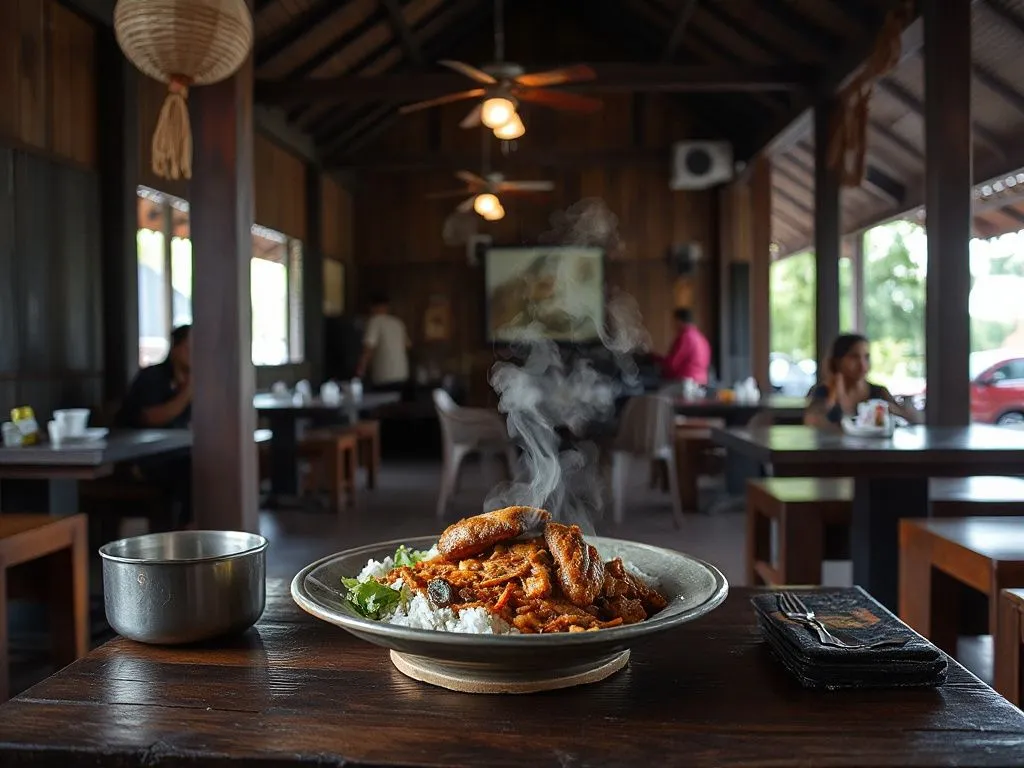
For mid-range dining, Seminyak and Ubud offer a variety of affordable restaurant options that provide diverse menus while staying reasonably priced.
Activities and Entertainment
Even during the low season, there are plenty of things to do in Bali. From wandering through lush rice fields and taking part in cultural activities like cooking classes to visiting temples, your days will be full. Many of these activities are not affected by the wet season’s afternoon rain.
Affordable activities include guided tours of Bali’s cultural highlights, with prices ranging from $25 to $50 per day, depending on the package.

Insider Budgeting Tips
- Flexible Itinerary: Keep some open time in your plans so you’re not overbooked. This flexibility helps you seize day-to-day bargains.
- Book Local: Arriving without advance reservations for accommodation might lead to better rates as places aim to fill spots.
- Utilize Public Holidays: Plan around local holidays for special experiences and potentially lower costs as local tourists boost off-season business.
Remember, iaminbali.com offers extensive resources on Bali’s attractions, dining, and experiences to help you make the most of your visit on any budget. Explore their AI-powered travel guide for personalized suggestions to enrich your Bali adventure.
Conclusion
Bali welcomes budget travelers year-round if you take advantage of the island’s seasonal changes. Whether you prefer visiting during the vibrant, lush wet season or the picture-perfect dry months, your Bali experience can be both cost-effective and unforgettable. Align your travels with the best seasons and smart budgeting strategies to enjoy Bali without overspending.
Frequently Asked Questions
What are the seasons in Bali and how do they affect travel costs?
Bali has a dry season from April to September and a wet season from October to March. The wet season often sees prices drop by 30-50% due to fewer tourists, making it the cheapest time to visit, while peak season prices can increase by 40-80%.
How can I save on accommodation in Bali?
In the low season, accommodation rates can drop by up to 40%. Booking isn’t necessary, allowing for flexibility and last-minute deals, with budget options like hostels and guesthouses available in areas like Ubud and Canggu.
What are some affordable transportation options in Bali?
Renting a scooter for about $5–10 per day is economical, allowing for easy exploration. Ride-hailing services like Gojek are also affordable, while hiring a private driver can help avoid crowded public transport during busy months.
How can I manage food costs while in Bali?
Eating at local warungs can keep food costs low, with dishes like nasi goreng costing under $2. Mid-range dining options in Seminyak and Ubud also offer diverse menus at reasonable prices.
What activities can I enjoy in Bali without overspending?
Bali offers many affordable activities, including guided tours of cultural highlights ranging from $25 to $50 per day. Exploring rice fields, cooking classes, and temple visits are also great options, even during the wet season.
What budgeting tips can help me save while traveling in Bali?
Maintain a flexible itinerary to seize day-to-day bargains, arrive without advance reservations for better accommodation rates, and plan around local holidays for special experiences and potentially lower costs.