
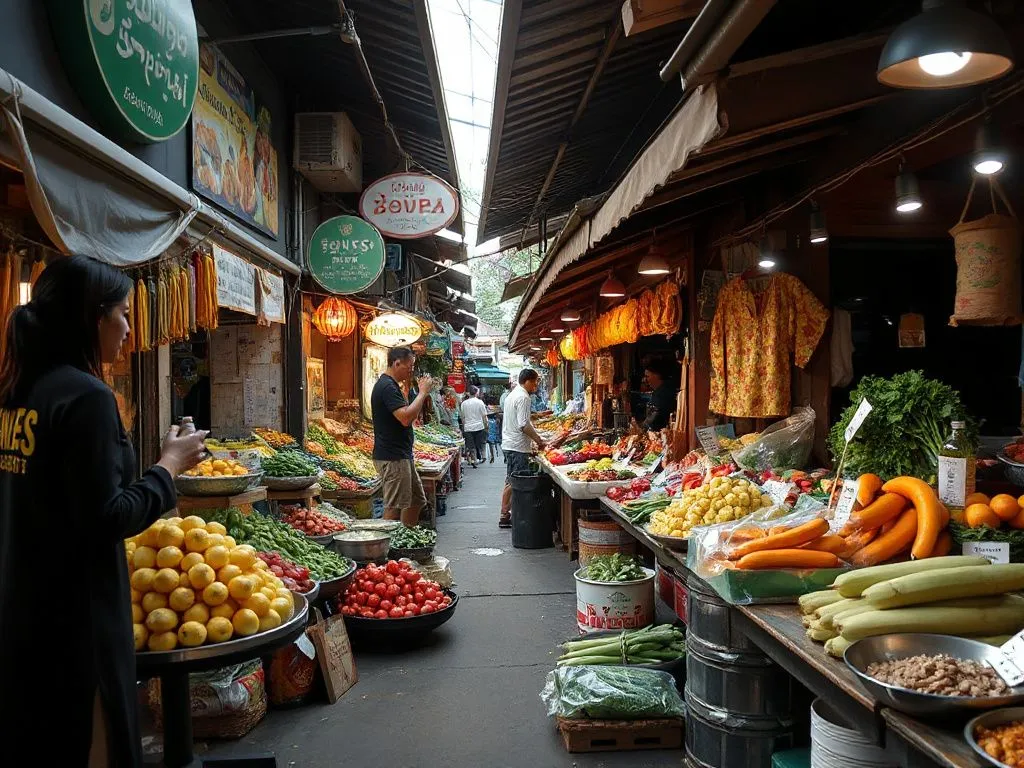
Bali is a food lover’s paradise for travelers keen to eat well without overspending. This guide points you to family-run warungs, bustling night markets, and street stalls where prices are in rupiah and recipes reflect local life. The best bites often sit a few streets from the main drags, where portions are generous and flavors run deep. From a dawn kopi Bali to sunset-grilled seafood, eating locally can be as memorable as temple visits and rice terrace walks—rich in culture, easy on the wallet, and full of small discoveries.
Genuine Local Dining Choices
To taste true Balinese cooking, head to warungs—small, family-run spots serving home-style meals like Nasi Campur and Ikan Bakar at excellent prices. In areas like Sanur and Ubud you’ll find clusters of these humble eateries with simple seating, handwritten menus, and glass cabinets of the day’s dishes. Point to what looks good or ask “rekomendasi?” for a balanced plate. Portions are generous with rice included; vegetarians can count on tempeh, tofu, and sayur urap. If avoiding pork, look for “halal” signs or ask “tanpa babi.” Inland warungs lean toward stews and greens, while coastal spots favor fresh fish, especially when afternoon catches arrive.
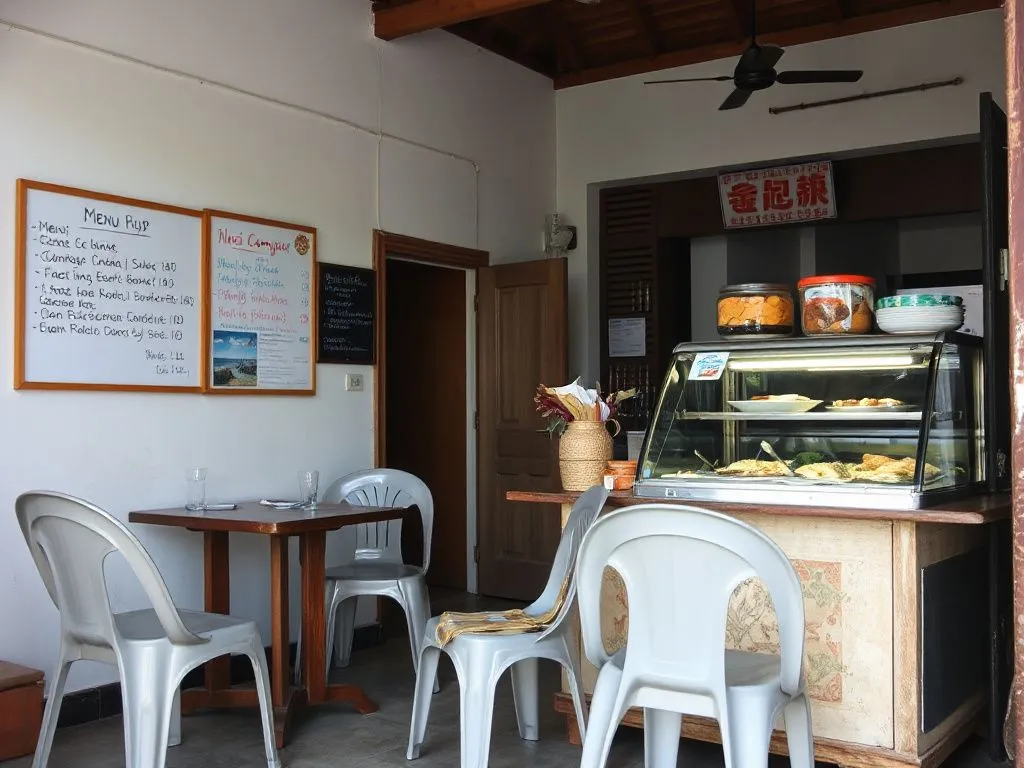
Sample Warung: Warung Blanjong in Sanur has served grilled fish with sambal matah since the 1970s source: kiligbali.com . The sambal—fresh shallots, lemongrass, kaffir lime, bird’s eye chilies, and coconut oil—adds a bright, raw heat to smoky fillets. Expect steamed greens, a squeeze of lime, and rice wrapped in banana leaf. Prices stay approachable, often less than a café coffee back home, with the best cuts and limited specials most likely if you arrive early.
Top Local Dishes to Sample and Where to Find Them
Bali’s food reflects diverse influences and regional nuance. Coastal towns highlight seafood and tangy sambals, while upland kitchens rely on slow cooking and fragrant spice pastes (base genep). Try ceremonial dishes and everyday favorites side by side; the same recipe can taste different across neighborhoods, shaped by family technique and whatever the market yields that day.
- Nasi Campur: “Mixed rice” with vegetables, tofu, tempeh, and meats—ideal for sampling many flavors at once. Point to sides you prefer and say “sedikit pedas” for less spice. Portions are flexible; ask “tambah” (more) or “kurang” (less). Nearly every warung serves a version, keeping costs low and variety high.
- Babi Guling: Iconic roasted pig, best known at Warung Babi Guling Ibu Oka in Ubud. Expect tender meat, crisp skin, spiced vegetables, rice, and the aroma of base genep. Go early—popular spots sell out. If you don’t eat pork, look for Ayam or Bebek Betutu (slow-cooked chicken or duck in banana leaves) for similar depth without pork.
- Sate Lilit: Minced seafood with grated coconut and spices, wrapped around skewers—often lemongrass—and grilled over coconut husk embers. Typically paired with rice cakes (lontong) and a fresh sambal instead of peanut sauce; light, aromatic, and perfect for snacking.
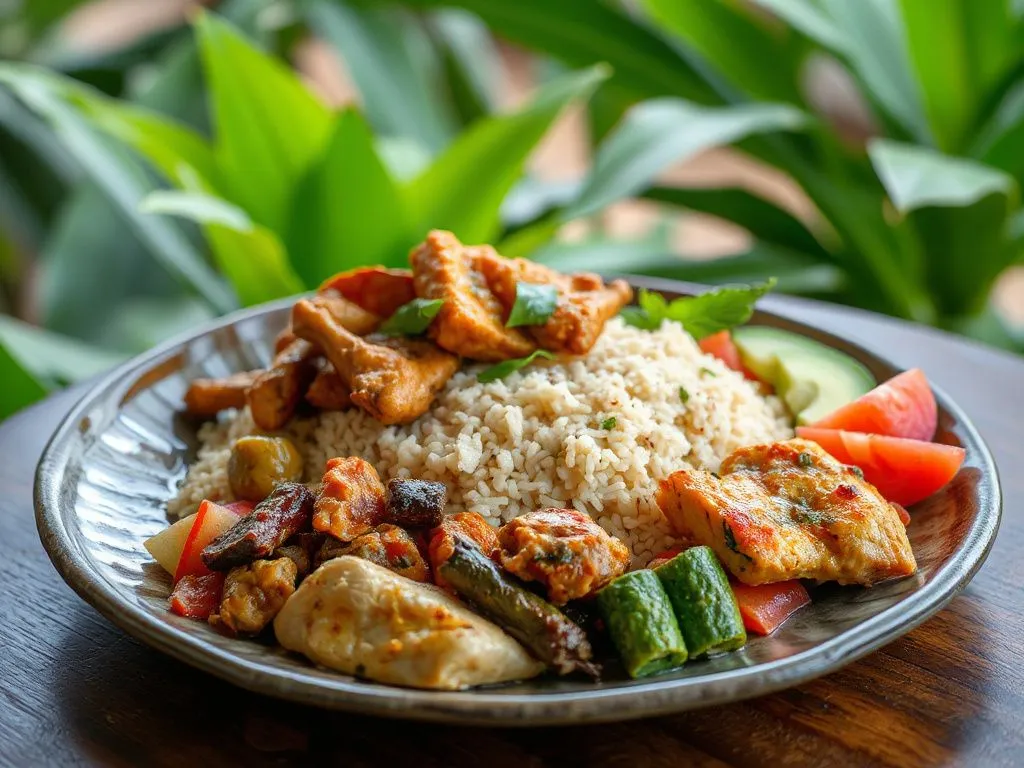
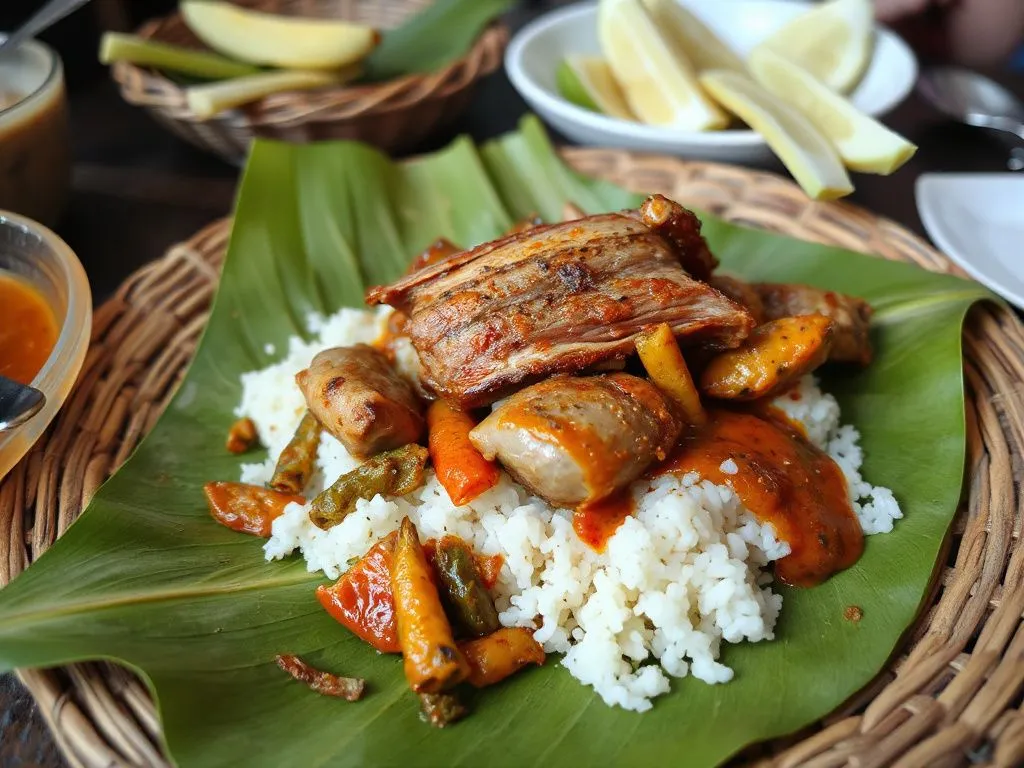
Ubud is particularly rich in warung choices. A short walk along streets like Jalan Goutama reveals traditional Balinese meals and lively coffee shops source: kiligbali.com . Nearby lanes such as Jalan Sri Wedari and small gangs off Jalan Raya Ubud hide counters with homemade sweets, kopi tubruk ground to order, and family kitchens serving lunch until the pots run dry. Go early for market breakfasts; return in the evening for grills and clove-scented air.
Cultural and Historical Background of Featured Dishes
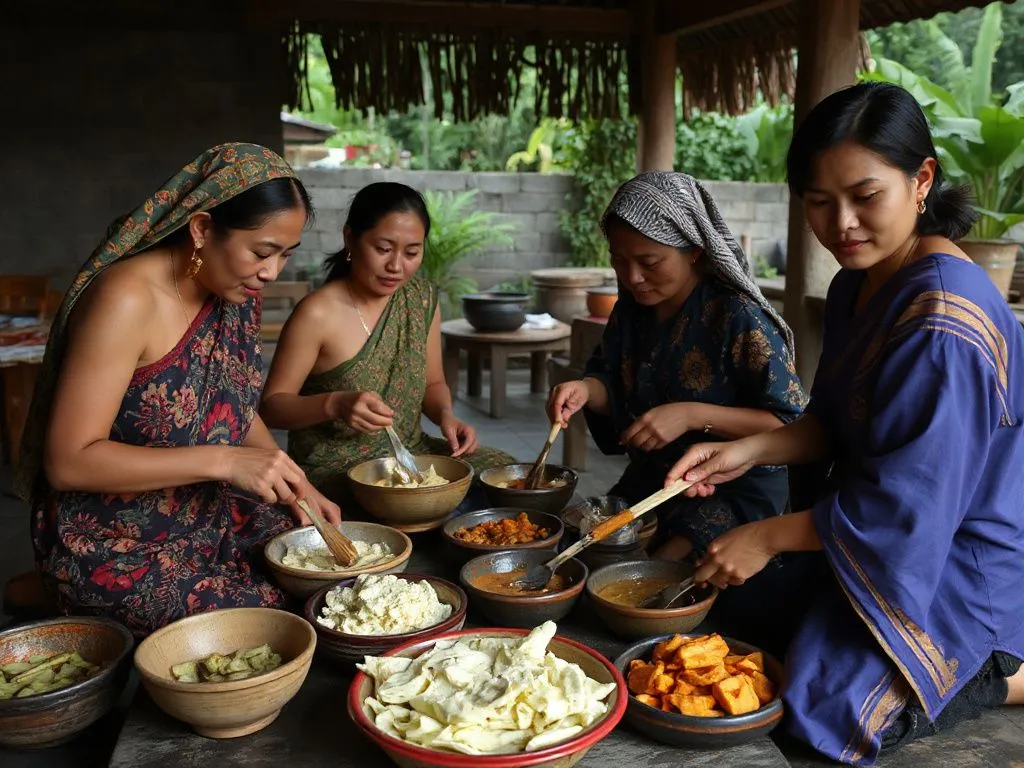
Every Balinese dish carries cultural memory. Babi Guling, long tied to ceremonies and temple festivals, reflects community and family celebration. Nasi Campur echoes Indonesia’s tradition of balancing many flavors on one plate—unity through variety. The subak irrigation system sustains rice, the centerpiece of meals and rituals. Historic spice routes brought cloves, nutmeg, and pepper, enriching base genep pastes that still define local cooking. Meals are often prepared collectively in the banjar spirit, with a small portion set aside as an offering before anyone eats.
Tips for Saving Money on Dining
Dining in Bali can be delicious and affordable with a few smart moves:
- Seek Out Warungs: They’re cheaper and more authentic than tourist restaurants. Choose places busy with locals, especially at lunch. Look for clear rupiah pricing on boards or paper menus, and be cautious where prices appear in foreign currency or where only glossy photos stand in for menus.
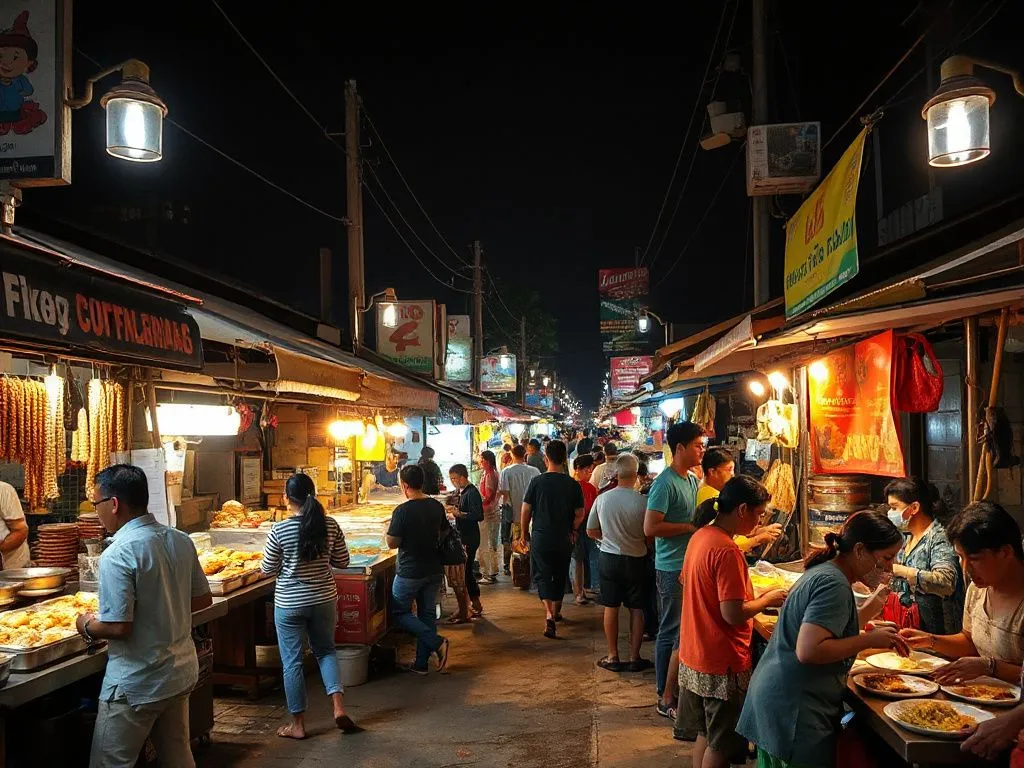
- Explore Local Markets: Visit night markets like Gianyar for low-cost snacks and variety source: vibibali.com . Arrive after sunset for the widest selection, bring small bills, and taste widely—try jaje laklak, pisang goreng, and bakso. Prepared food is fairly priced; bargaining is uncommon.
- Use Local Apps: Gojek and Grab help you find nearby eateries and compare prices source: hiddentastetravel.com . Filter by distance to reduce delivery fees, check lunch promos, or choose pickup. Add notes like “tanpa sendok plastik” to skip disposable cutlery and “kurang pedas” to dial down heat.
Cultural Importance of Local Dishes
Food in Bali is inseparable from social life and ceremony. Staples like rice and coconut tie meals to traditional farming and daily offerings, where dishes symbolize gratitude and connection to the divine. The philosophy of Tri Hita Karana—harmony among people, nature, and the sacred—appears in seasonal ingredients, shared plates, and earth-friendly touches like banana-leaf wrappers. Family recipes act as cultural memory, preserved and passed down through generations.
Beyond Meals: A Cultural Experience
Eating in Bali means engaging with people and place. Chat with vendors, ask questions, and consider a cooking class for hands-on insight. Simple phrases—“terima kasih” (thank you), “enak sekali” (very delicious), “boleh kurang pedas?” (less spicy?)—open doors. When dining with locals, use your right hand to receive and taste, and finish most of the rice to show appreciation. Carry a reusable bottle and seek refill stations; many stalls welcome your containers for takeaway, a small courtesy that supports Bali’s growing sustainability efforts.
Conclusion: Enjoying Bali’s Culinary Treasures on a Budget
Bali’s rich food scene is easy to explore without straining your budget. From humble warungs and night markets to fragrant street grills, the island rewards curiosity with genuine flavors and cultural insight. For tailored recommendations and itineraries, iaminbali.com is a helpful resource. Start mornings at a local market, keep lunch simple at a family warung, and wander a night market for snacks and sweets—each stop another chapter in Bali’s food story. With respect, a few local phrases, and rupiah-smart habits, you’ll eat memorably, meaningfully, and well.
Frequently Asked Questions
What are warungs in Bali?
Warungs are small, family-run eateries that serve home-style meals at excellent prices. They offer a variety of local dishes, often with handwritten menus and simple seating, making them a great choice for authentic Balinese dining.
What is Nasi Campur?
Nasi Campur, or ‘mixed rice,’ is a dish that includes rice with a variety of vegetables, tofu, tempeh, and meats. It’s ideal for sampling many flavors at once and is commonly found in warungs throughout Bali.
How can I save money on dining in Bali?
To save money on dining in Bali, seek out warungs for cheaper and more authentic meals, explore local night markets for low-cost snacks, and use local apps like Gojek and Grab to find nearby eateries and compare prices.
What is the significance of food in Balinese culture?
Food in Bali is deeply connected to social life and ceremony, symbolizing gratitude and connection to the divine. Dishes often reflect the philosophy of Tri Hita Karana, emphasizing harmony among people, nature, and the sacred.
What are some popular dishes to try in Bali?
Popular dishes in Bali include Babi Guling (roasted pig), Sate Lilit (minced seafood skewers), and Nasi Campur. Each dish reflects local flavors and can vary by region, showcasing the diversity of Balinese cuisine.