
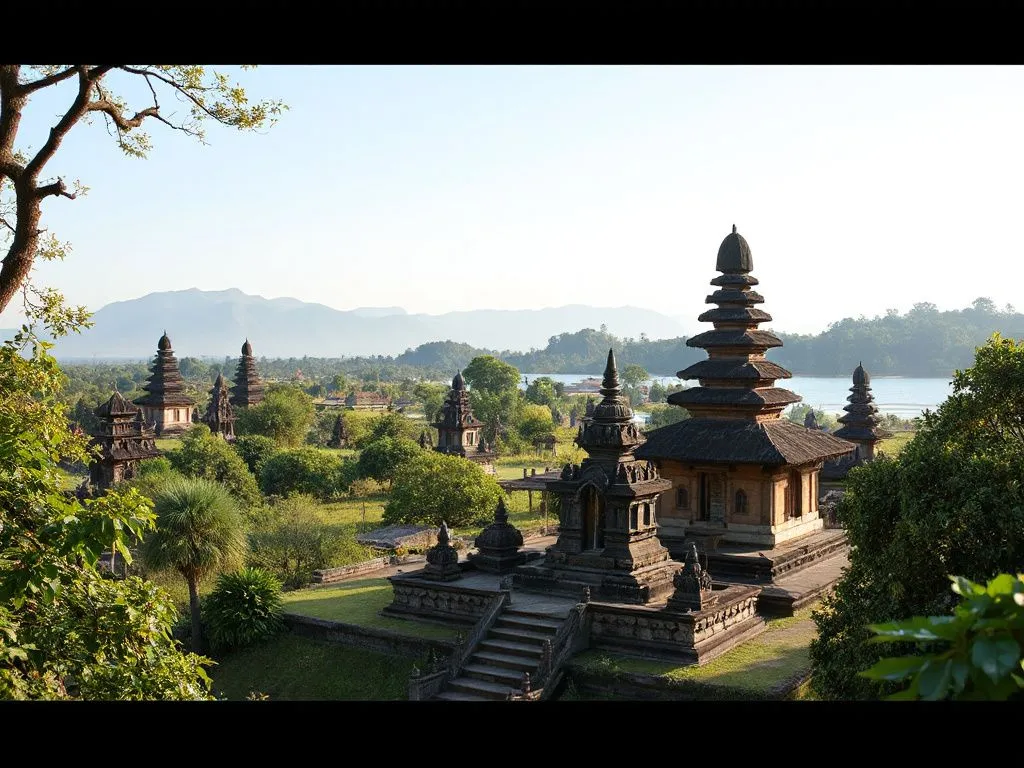
Visiting Bali during the shoulder seasons unlocks cultural experiences often overlooked during peak travel times. These off-peak treasures offer a closer look at the island’s traditions, along with reduced costs and smaller crowds. Dive into Bali’s diverse cultural scene and uncover events that showcase local life and heritage.
Grasping Bali’s Shoulder Seasons
Bali’s shoulder seasons, primarily from April to June and September to November, are perfect for travelers seeking tranquility and cultural immersion. Cooler temperatures and lighter tourism during these months create the ideal ambiance to dive into island life. December through February is Bali’s wet season, yet it overflows with cultural celebrations like Galungan and Nyepi. These festivals offer profound insights into Balinese spirituality and community.
Benefits of Visiting During Shoulder Seasons
- Experience fewer crowds for a more leisurely trip.
- Enjoy lower prices on accommodations and activities.
- Access genuine Balinese culture more easily.
These times are perfect for visiting landmarks such as Tanah Lot and Besakih Temple without the usual bustle ( ). They also provide peaceful moments to observe daily rituals and connect with locals, enriching your appreciation of Bali’s cultural tapestry.
Uncommon Cultural Events During Bali’s Shoulder Seasons
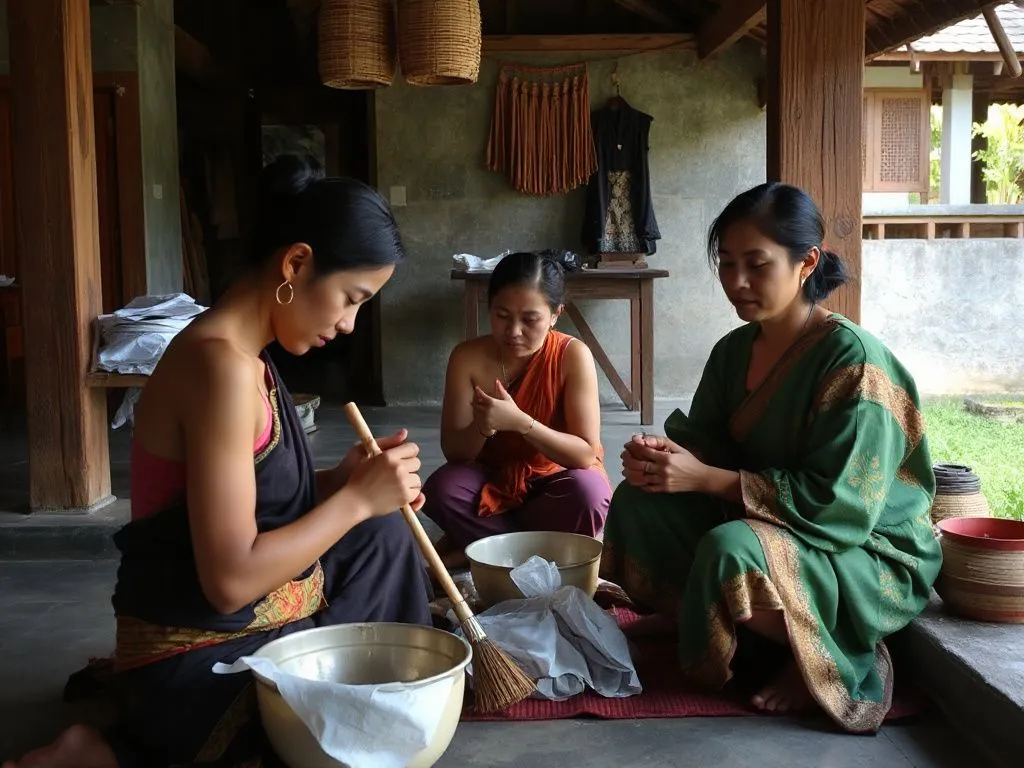
The shoulder seasons offer a variety of unique cultural events that highlight Bali’s rich heritage. From grand temple festivals to intimate village ceremonies, these experiences deepen your connection to the island’s spiritual and artistic traditions.
Nyepi: The Day of Silence
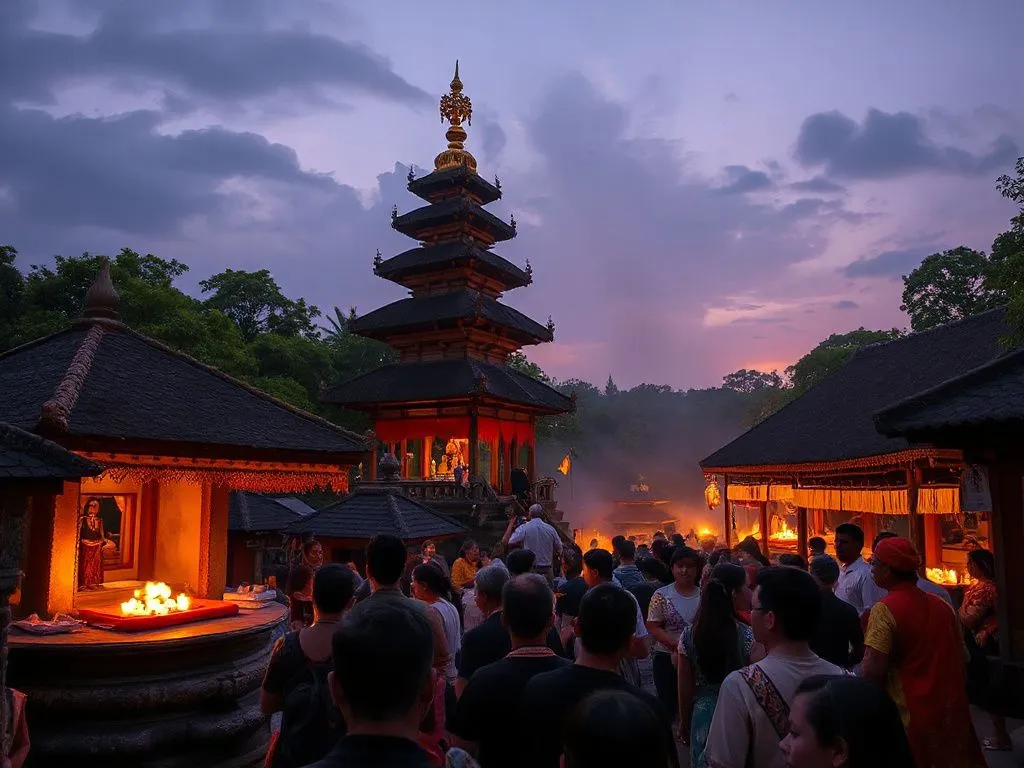
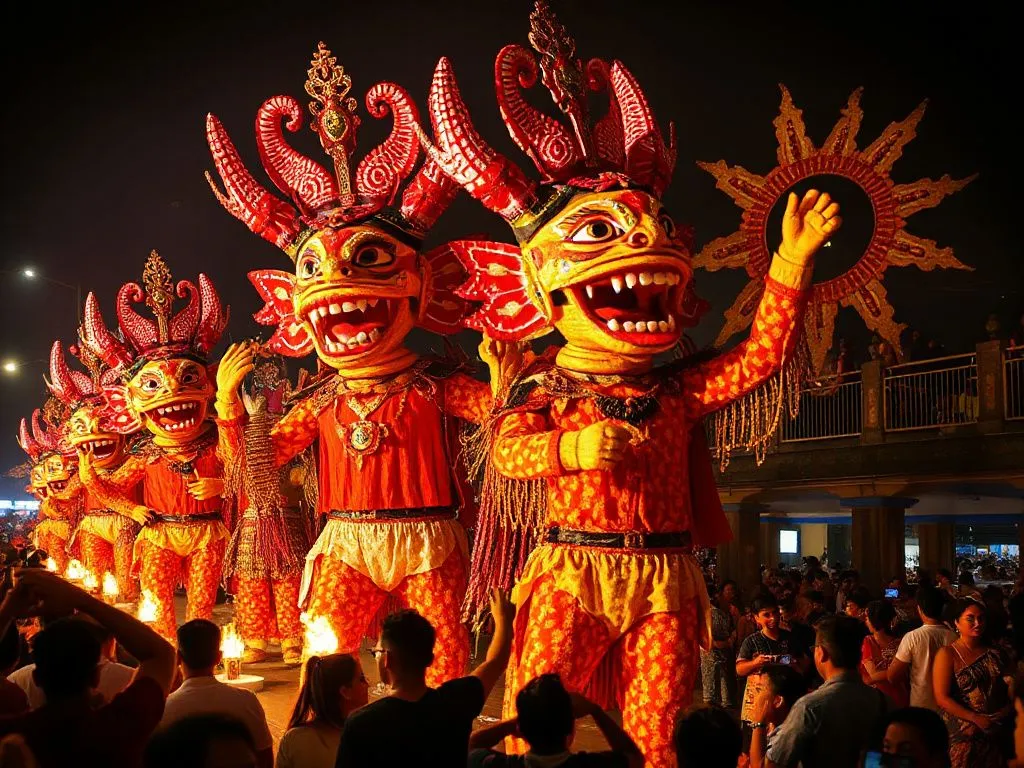
Nyepi, Bali’s quiet and reflective New Year, occurs in March and brings the island to a halt for 24 hours. No flights, vehicles, or lights are allowed ( ). The eve of Nyepi features lively ogoh-ogoh parades, where demon effigies are carried through the streets and then burned to purify the island of evil spirits.
Galungan and Kuningan Festivals
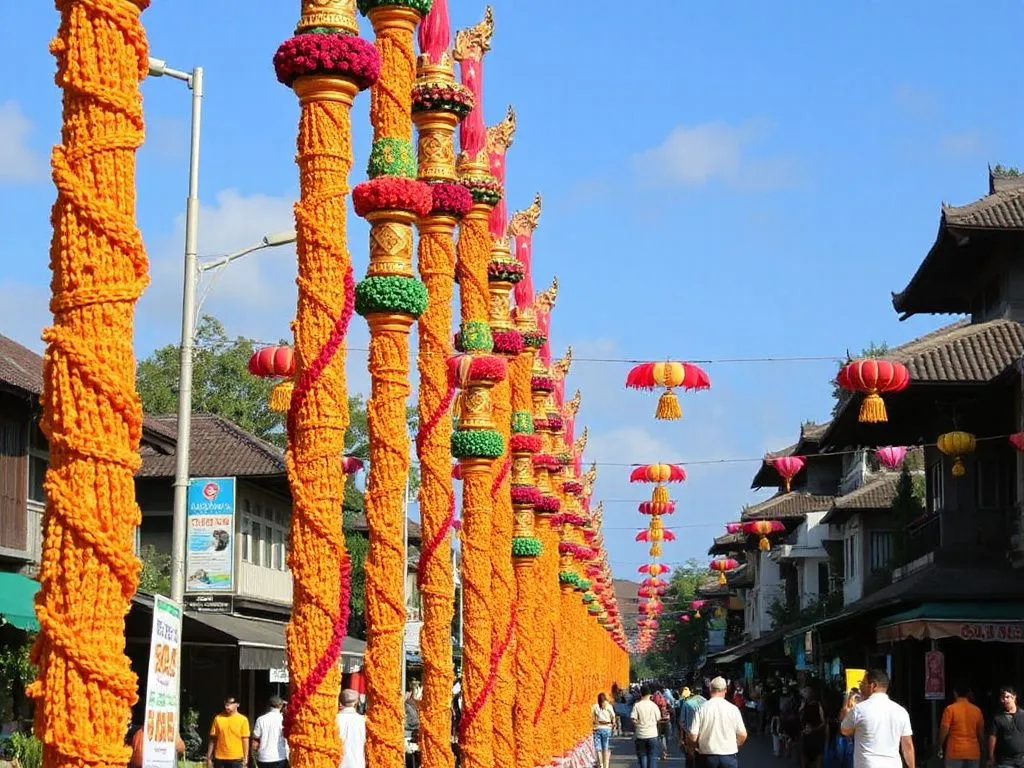
Galungan and Kuningan, celebrated every 210 days, are major festivals during which Balinese honor the return of ancestors and deities to earth. Streets across the island are adorned with elegant penjor poles, creating a captivating scene ( ). These celebrations invite you to witness rituals and receive blessings at local temples, offering a glimpse into deep ancestral connections and spirituality.
Practical Tips for Visiting During Shoulder Seasons
A bit of preparation can greatly enhance your Bali trip during the shoulder seasons. Consider these practical tips to make the most of your visit:
Festival Etiquette and Logistics
When attending festivals like Galungan or Nyepi, follow local customs by wearing a sarong and sash, available for rent at temple entrances. Always ask before taking photos, especially during ceremonies, and avoid standing higher than a priest or walking in front of someone praying ( ).
Travel and Accommodation Tips
- Plan morning activities to avoid afternoon showers in the wet season.
- Choose homestays or villas for a more personal cultural experience.
- Use local transport or rent a scooter for flexible island travel.
Keeping your plans flexible can enhance your experience, helping you adapt to local weather and seize spontaneous opportunities ( ).
Insider Tips for Genuine Experiences
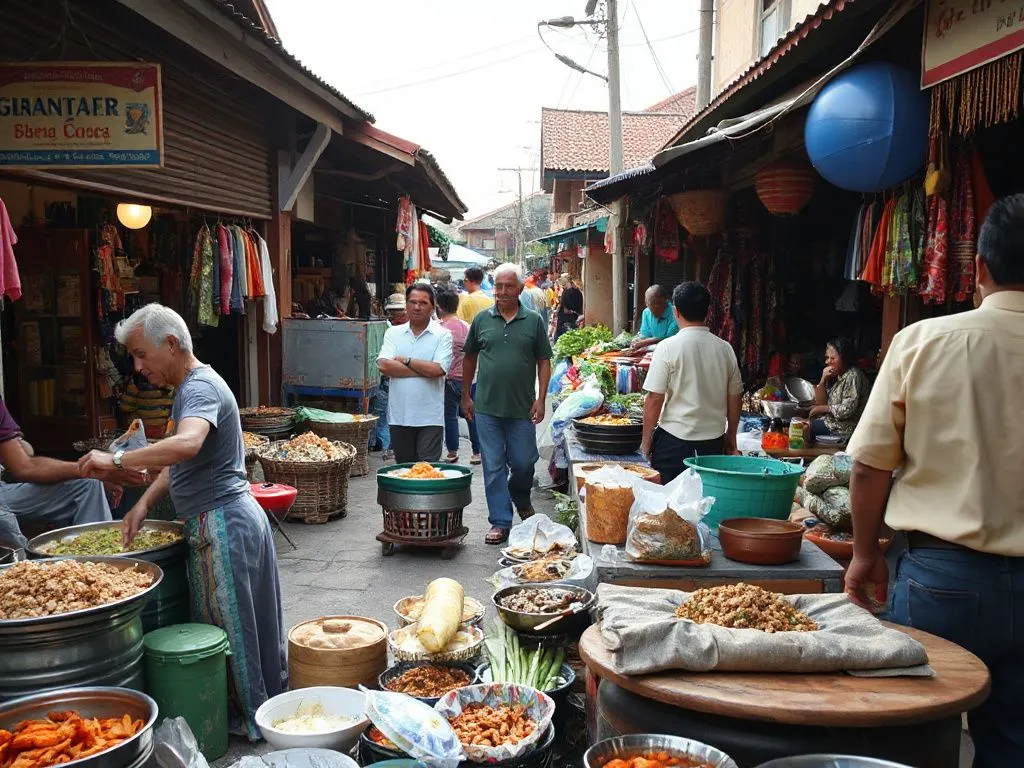
For deeper cultural immersion, engaging with locals is invaluable. Visit markets, try traditional Balinese dishes, and join community events to deepen your appreciation of the island’s culture.
Connecting with Locals
During quieter months, locals often have more time for conversation, offering insight into everyday Balinese life. Consider visiting morning markets in Gianyar or artisan villages like Celuk in Gianyar, known for silversmithing ( ). These settings provide meaningful insights and memorable experiences beyond typical tourist paths.
Exploring Unique Culinary and Wellness Practices
Bali’s culinary scene flourishes in the off-season, with spots like Naughty Nuri’s in Ubud serving local favorites without overwhelming crowds. For wellness, try yoga sessions or traditional healing at respected centers like The Yoga Barn, enhanced by the lush backdrop of the rainy season ( ).
Conclusion: Embracing Bali’s Off-Peak Cultural Riches
Exploring Bali during its shoulder seasons offers travelers a unique opportunity to connect with the island’s vibrant culture and serene landscapes. By stepping away from the usual path and embracing local traditions, you deepen your understanding of Bali’s cultural wealth while supporting more sustainable tourism. For those eager to delve deeper into these unique Balinese experiences, iaminbali.com offers tailored recommendations and resources to enhance your journey. Embrace the quiet charm of Bali’s hidden seasons and connect with the island’s timeless culture.
Frequently Asked Questions
What are Bali’s shoulder seasons?
Bali’s shoulder seasons are primarily from April to June and September to November. These months provide cooler temperatures and lighter tourism, making them ideal for travelers seeking tranquility and cultural immersion.
What cultural events can I experience during Bali’s shoulder seasons?
During the shoulder seasons, visitors can experience unique cultural events such as the Galungan and Kuningan festivals, which honor ancestors and deities, and the Nyepi Day of Silence, a reflective New Year celebration.
How can I connect with locals while visiting Bali?
To connect with locals, visit morning markets, try traditional Balinese dishes, and engage in community events. Quieter months allow for more meaningful conversations and insights into everyday Balinese life.
What are the benefits of visiting Bali during the shoulder seasons?
Benefits include fewer crowds, lower prices on accommodations and activities, and easier access to genuine Balinese culture. These conditions allow for a more leisurely and immersive travel experience.
What should I wear when attending festivals in Bali?
When attending festivals like Galungan or Nyepi, it is customary to wear a sarong and sash, which can be rented at temple entrances. Following local customs is important to show respect during these cultural events.