

Bali and its nearby islands offer a peaceful, eco-friendly getaway. As sustainable travel grows, Bali’s green initiatives make it ideal for conscientious island hopping. This guide shares responsible ways to explore, with tips and itineraries. Traveling with respect for culture and nature protects fragile environments and deepens connections. Visit in the shoulder seasons to ease pressure on popular sites. Plan ahead, learn a few phrases, and embrace slower, lower-impact choices to help keep these islands vibrant for generations.
Explore Bali’s Distinct Islands with Green Initiatives
Bali is ringed by Nusa Lembongan, Nusa Ceningan, Nusa Penida, and the Gilis, each with distinct eco-experiences. Join reef nurseries on Lembongan or community projects across the islands—seagrass monitoring, plastic upcycling, and beach cleanups welcome visitors. Many are led by local youth, so your time or small donation directly supports training, gear, and long-term ocean stewardship. Follow simple field codes: don’t touch wildlife, stay off coral, and pack out what you bring in.
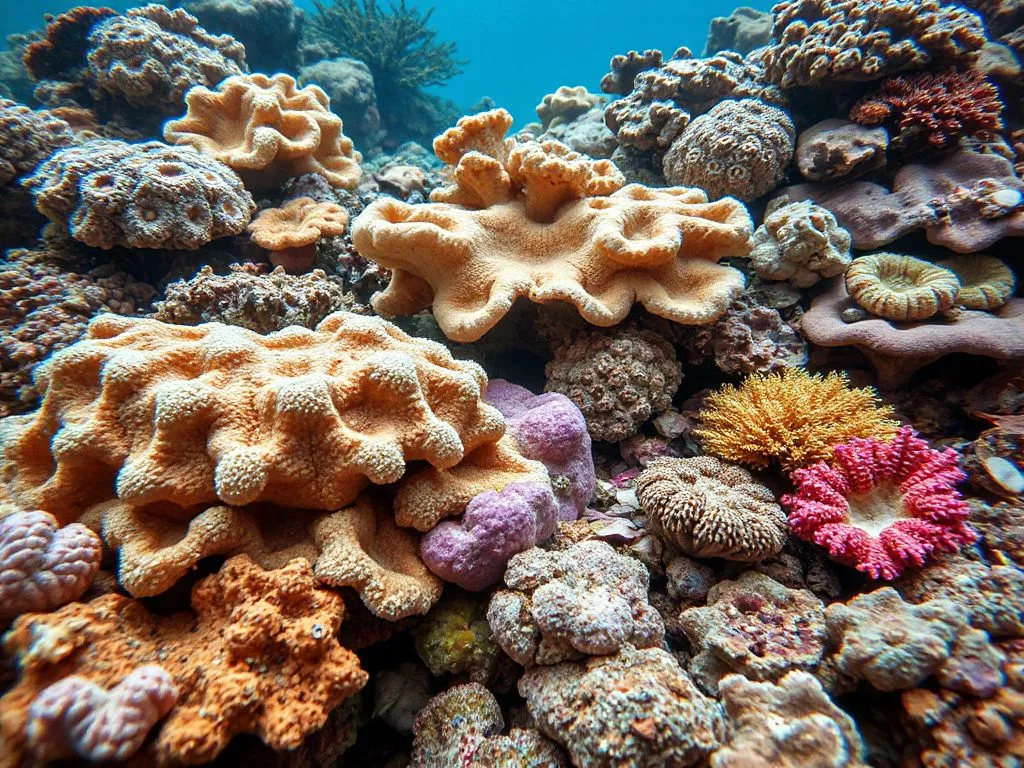
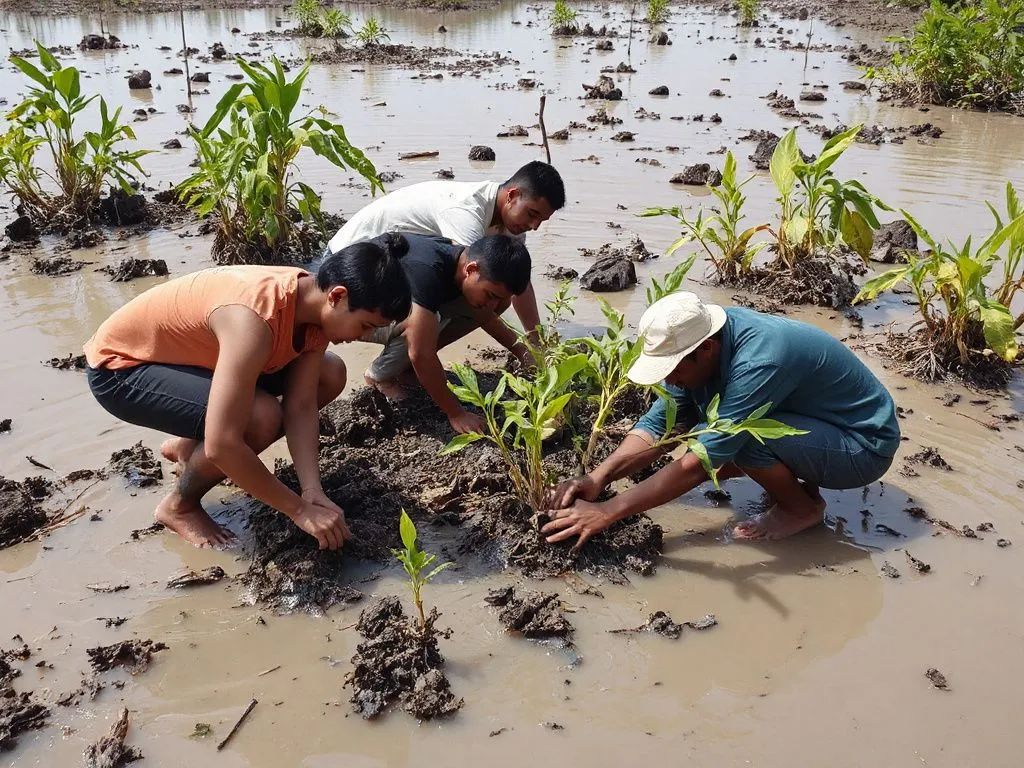
Nusa Penida stands out for hands-on conservation. Join tree-planting and mangrove restoration with local teams, and learn how ecosystems recover. The island also shelters the endangered Bali starling; guided walks show how habitat restoration and community education protect it. Visiting these programs—or buying local products—helps fund patrols, research, and education, with short briefings explaining why your actions matter. Many projects are run through village co-ops, keeping benefits local and fostering pride in conservation.
Transportation: Green Ways to Island Hop
Choose low-impact transport. Skip flights and take ferries from Sanur for a scenic, lower-carbon start. On arrival, use electric scooters or bicycles. Favor boat operators that cut single-use plastics, support marine protected areas, and publish carbon measures. Pack light, share shuttles to ports, and check weather and tides—flexible plans are safer and cleaner. Public boats often run on set schedules; booking ahead helps operators plan efficiently and avoid half-empty trips.

These choices also enrich your trip. Embrace slow travel—stay longer in fewer places for deeper connection and fewer transport emissions. Walk village lanes and coastal paths with local guides who point out native plants, reef-safe beaches, and cultural sites. Use offline maps to avoid detours and refill a reusable bottle at growing networks of water stations. Moving at a human pace reveals details you might miss from a motorbike or speedboat.
Green Accommodations and Dining Spots
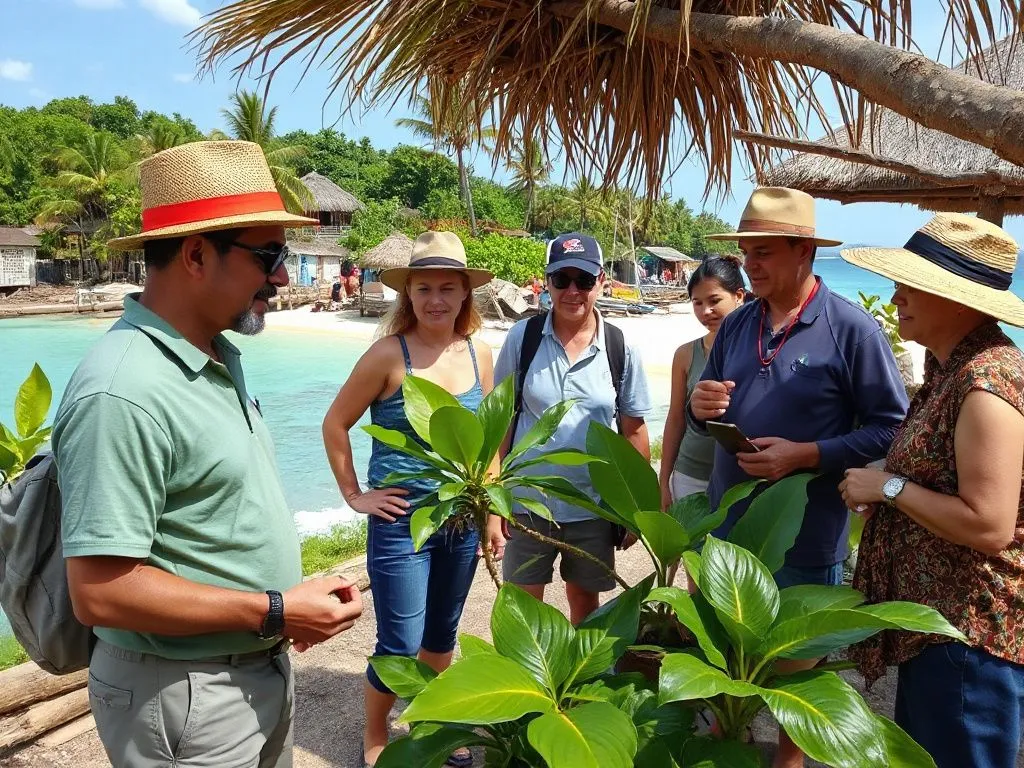
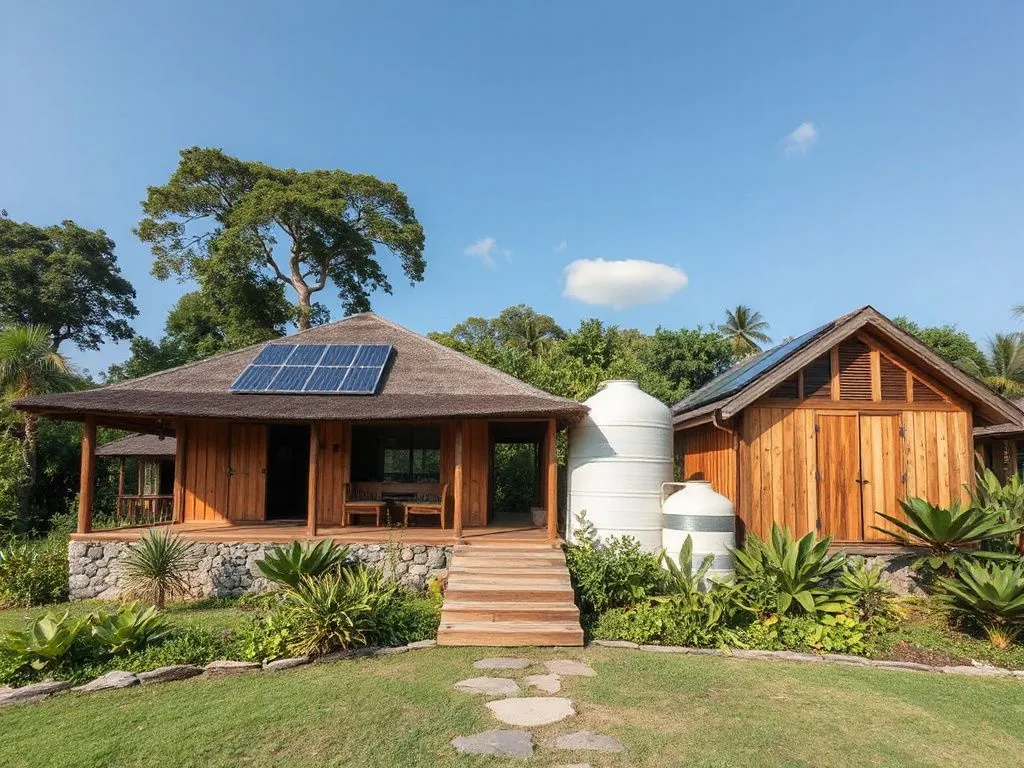
Pick stays that prioritize sustainability and hold certifications like Green Key or EarthCheck. On Lembongan and the Gilis, ecolodges use renewables and conserve water. Ask about rainwater capture, greywater treatment, composting, and plastic-free policies. Choose fans over constant AC, reuse linens, and favor properties that hire and train locals, source furnishings nearby, and publish measurable goals. Look for refill stations, bulk toiletries, and on-site gardens that supply kitchens with herbs and greens.
Dine at locally owned warungs to support communities and cut your footprint. Many use organic, nearby produce for fresh meals. Choose plant-forward dishes and responsibly sourced seafood—skip reef fish like parrotfish. Bring or request reusables, decline straws, and ask about ingredient origins. For a deeper taste, try a low-waste cooking class using seasonal produce and traditional techniques. Order mindfully to reduce food waste, and take leftovers in your own container when possible.

Suggested Itineraries for Eco-Conscious Travelers
Plan a multi-day hop for richer engagement. Start on Nusa Lembongan: calm waters suit beginner snorkelers exploring reefs with certified guides who stress buoyancy and no-touch rules. Kayak Nusa Ceningan’s mangroves at a gentle pace, giving roots and birds space. At dusk, walk or cycle across the Yellow Bridge for sunset, then join a guided night stroll to learn coastal ecology. Time activities with tides and light winds for safer, less disruptive outings.
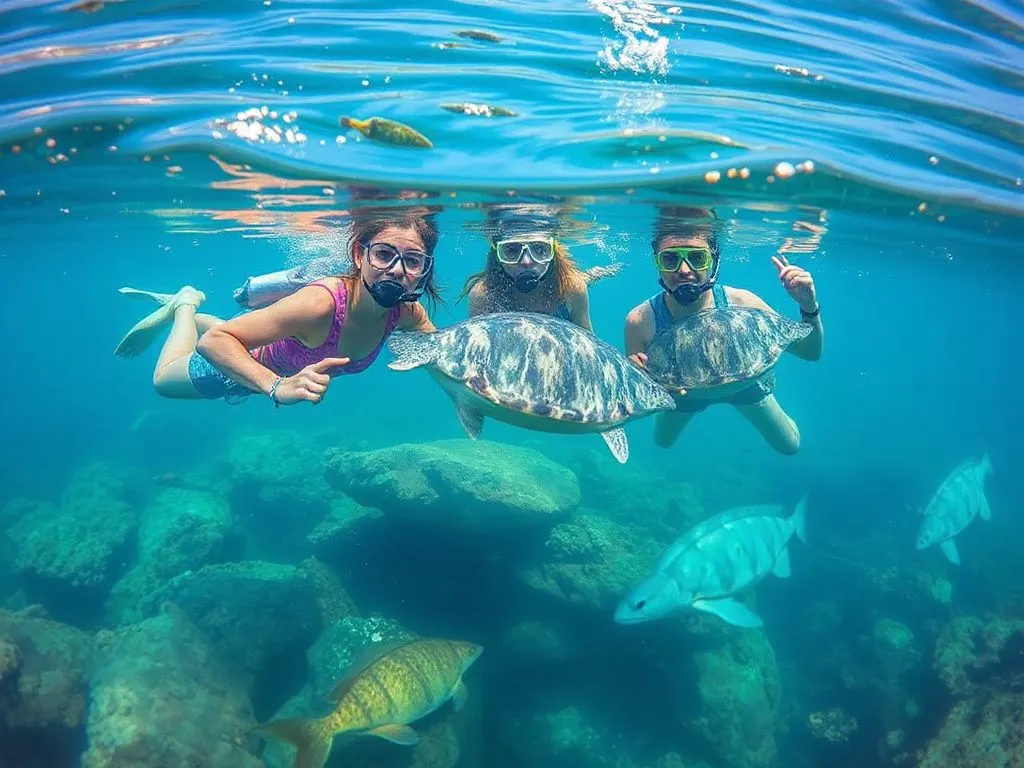
Next, head to Nusa Penida for coral gardens and manta encounters. Choose ethical operators that provide reef-safe sunscreen, use mooring buoys, and assess currents—new divers can opt for sheltered sites or a discovery dive. Manta sightings are seasonal, so trust guides who recommend the least disruptive windows. Finish on the Gilis, where motor vehicles are restricted: cycle or walk, visit turtle hatcheries and education centers, and enjoy star-filled skies thanks to minimal light pollution.
Get Involved in Local Conservation Efforts
Many islands run programs visitors can join. On Nusa Penida, community projects restore coral and marine habitats, deepening your grasp of sustainability. Citizen-science efforts invite manta or turtle ID photos and quick beach surveys. Inland, permaculture gardens and compost hubs show how organic waste feeds reforestation and community crops. Most activities are flexible—sign up for a half day, ask questions, and take home skills you can apply at home. Reef checks often happen monthly, and drop-in help is welcome.
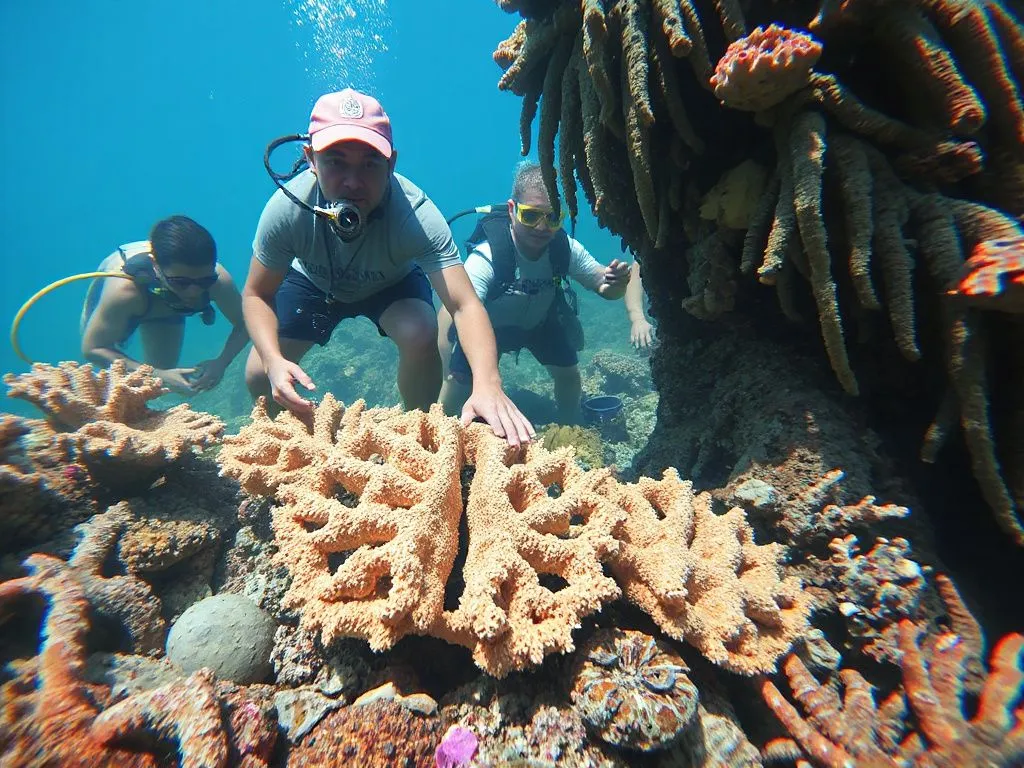
Small habits multiply impact: carry a reusable bottle, refuse plastics, and book conservation-minded tours. Wear a long-sleeve rash guard to reduce sunscreen use, choose mineral non-nano formulas, and keep a tote for impromptu cleanups. Give wildlife space, never touch coral, and minimize noise near nests or roosts. If offsetting, choose verified projects with clear community benefits, mirroring the people-centered approach you’ll find on the islands.
Final Thoughts: Embrace Bali’s Green Island Hopping
Exploring Bali’s islands with an eco-mindset blends adventure with stewardship. You’ll immerse in landscapes and culture while supporting conservation. For tailored tips, see iaminbali.com . With a little planning—honoring temple dress codes, choosing licensed guides, and traveling at a mindful pace—responsible choices bring richer stories, warmer encounters, and better value. Tread lightly, give back when you can, and leave these islands better than you found them.
Frequently Asked Questions
What are some eco-friendly ways to explore Bali’s islands?
Travelers can explore Bali’s islands responsibly by joining local conservation projects, using low-impact transport like ferries and bicycles, and staying at eco-certified accommodations. Engaging in activities like beach cleanups and seagrass monitoring supports local communities and the environment.
Which islands are recommended for eco-conscious island hopping in Bali?
The article highlights Nusa Lembongan, Nusa Ceningan, Nusa Penida, and the Gilis as ideal destinations for eco-conscious travelers, each offering unique eco-experiences and conservation initiatives.
How can visitors contribute to local conservation efforts while in Bali?
Visitors can participate in community projects like coral restoration, tree planting, and beach cleanups. Joining these programs helps fund local conservation efforts and provides hands-on learning about sustainability.
What transportation options are suggested for a lower carbon footprint while island hopping?
Travelers are encouraged to skip flights and take ferries, use electric scooters or bicycles upon arrival, and choose boat operators that minimize single-use plastics. Sharing shuttles and packing light also contribute to lower emissions.
What should travelers consider when choosing accommodations in Bali?
Travelers should look for accommodations that prioritize sustainability, such as those with Green Key or EarthCheck certifications, and inquire about their environmental practices like water conservation and waste management.
What dining practices can help reduce environmental impact while in Bali?
Choosing locally owned warungs that use organic produce, opting for plant-forward dishes, and bringing reusable containers for leftovers can significantly reduce environmental impact while dining in Bali.