

Eat well in Bali
From sizzling warungs to world-class fine dining — discover the best places to eat, must-try dishes, and how to stay safe.
Best Restaurants in Bali
From local warungs to award-winning fine dining — Bali's food scene has something for every budget and taste.
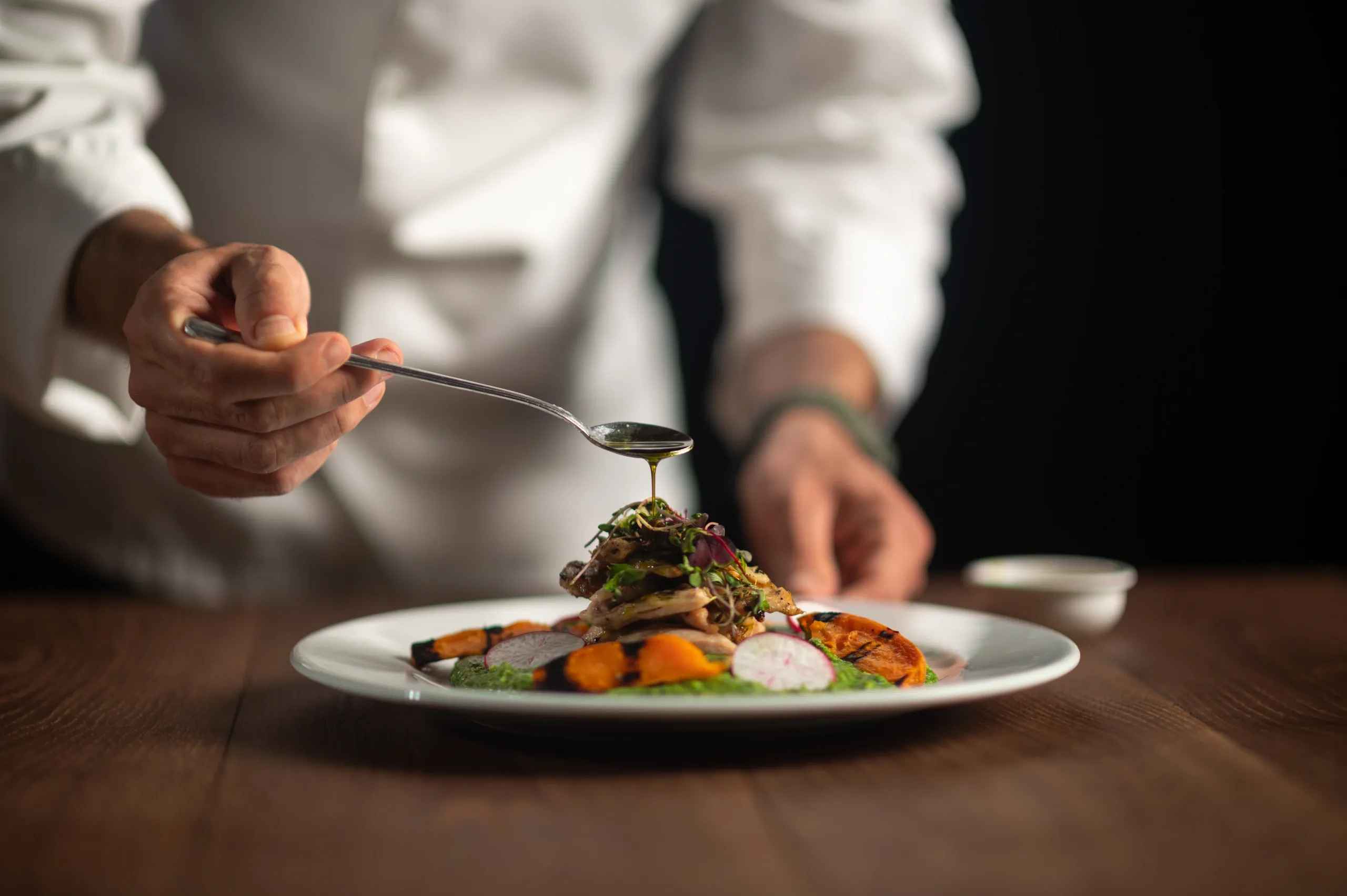
Locavore
One of Bali's finest restaurants. Chef-Patron Ryan Clift runs a kitchen obsessed with locally sourced, seasonal Balinese produce. Consistently ranked among Asia's 50 Best Restaurants.
Cuisine is famous for its farm-to-table philosophy and famed locally sourced ingredients.

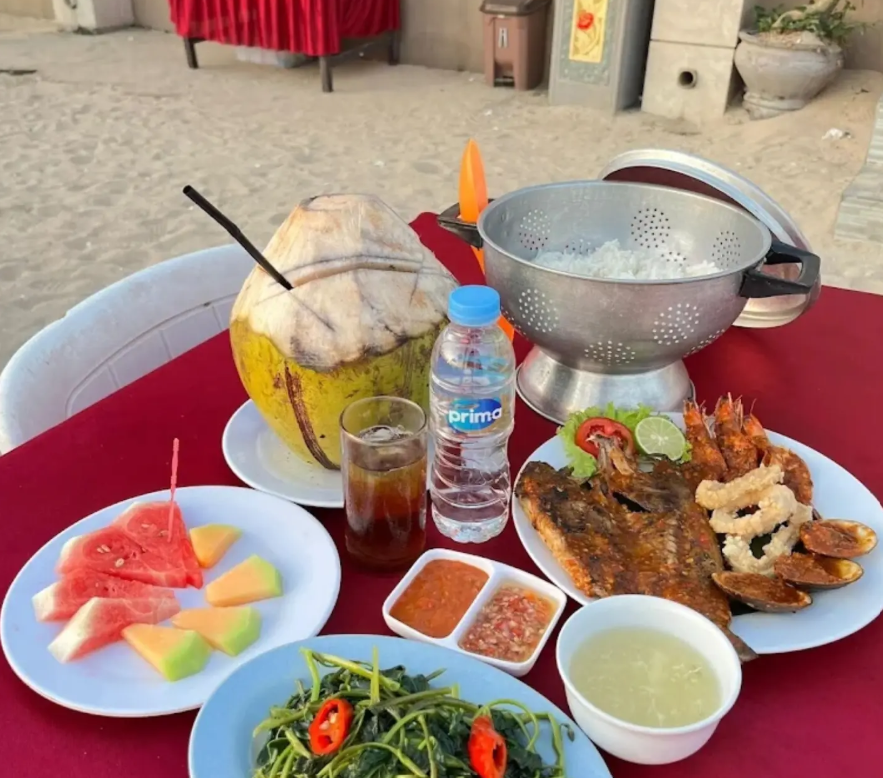

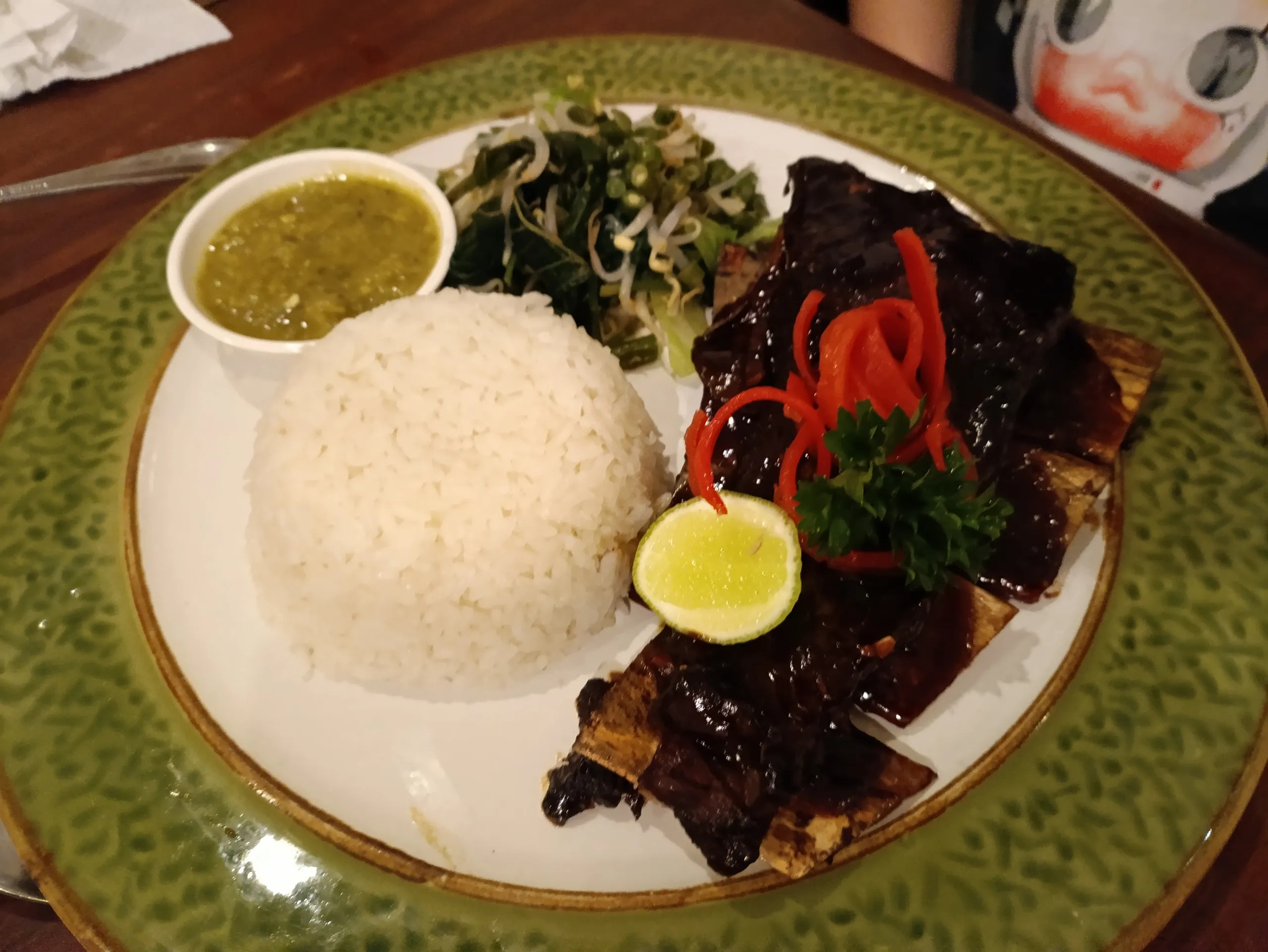

Must-Try Dishes
Don't leave Bali without tasting these iconic dishes. Here's what to order and where to find the best version.
Babi Guling (Suckling Pig)
Bali's most iconic dish — a whole pig slow-roasted over a wood fire and stuffed with a blend of turmeric, lemongrass, galangal, and chilli. Crispy skin, incredibly tender meat, served with rice and lawar.
Nasi Goreng (Fried Rice)
Indonesia's national dish — wok-fried rice with shallots, garlic, sweet soy sauce, egg, and your choice of protein. Found at every price point from street carts to five-star hotels.
Sate Lilit (Minced Seafood Satay)
A uniquely Balinese satay made from minced fish or prawns mixed with grated coconut, lime leaf, and spices, wrapped around a lemongrass skewer and grilled over coconut husk coals.
Bebek Betutu (Slow-Cooked Duck)
Duck rubbed with a rich paste of 11+ spices, wrapped in banana leaves, and slow-cooked for up to 8 hours until impossibly tender. A ceremonial dish now widely served at Balinese restaurants.
Lawar (Spiced Coconut Mix)
A traditional Balinese mix of finely chopped vegetables, grated coconut, and minced meat — richly spiced with galangal, turmeric, and chilli. Central to Balinese ceremony and daily life.
Pisang Goreng (Fried Banana)
Ripe banana coated in a light batter and fried until golden. Served plain at street stalls or with palm sugar syrup and ice cream at nicer venues. The ultimate affordable Balinese treat.
Nasi Campur (Mixed Rice)
A plate of steamed rice surrounded by small portions of multiple Balinese dishes — meat, tempeh, vegetables, sambal, and crackers. The everyday meal of choice for locals across the island.
Safe eating tips
Follow these guidelines to enjoy Bali's incredible food scene without getting sick.
- Eat at busy restaurants with high turnover — food is freshest there.
- Stick to bottled or filtered water — never tap water, even for brushing teeth.
- Avoid raw salad and vegetables unless you know they're properly washed.
- Seafood is best eaten at reputable restaurants near the coast.
- Avoid raw meat and uncooked eggs in salads, unless from a trusted restaurant.
- Street food can be excellent — look for busy stalls with fresh ingredients.
- Always use a restaurant that clearly has brisk, long-running service.
- Trust your instincts — if a place looks dirty, don't eat there.
If you get Bali Belly: Stay hydrated with ORS, eat bland foods, and rest. If symptoms persist over 48 hours, seek medical help or visit our health & safety guide.
Dietary Requirements
Bali is one of Southeast Asia's most diet-friendly destinations. Here's what every type of eater needs to know.
Vegan & Vegetarian
Bali is a paradise for plant-based eaters. Ubud especially has hundreds of vegan-friendly restaurants. Always confirm with staff as some dishes use shrimp paste (terasi) as a base.
Gluten-Free
Rice-based cuisine means Bali is naturally gluten-friendly. Nasi goreng, satay, and most traditional dishes are GF. Watch out for soy sauce (kecap) which often contains wheat.
Halal
While Bali is predominantly Hindu, halal food is widely available especially in Kuta, Seminyak and Lombok nearby. Look for the halal certification sign or ask staff. Muslim-majority areas have many certified options.
Allergies
Common allergens in Balinese cooking include peanuts, shellfish, and eggs. Language barriers can make communication tricky — carry an allergy card written in Bahasa Indonesia for safety.
Frequently Asked Questions
Most street food is safe if you choose busy stalls with high turnover. Look for freshly cooked food and avoid raw salads or unpeeled fruit from unknown sources. Warungs (local family restaurants) are generally safe and offer authentic Balinese food at very low prices.
Nasi goreng (fried rice), babi guling (suckling pig), bebek betutu (slow-cooked duck), sate lilit (minced fish satay), lawar (spiced minced meat salad), and nasi campur (mixed rice plate) are the classics. For dessert, try black rice pudding with coconut milk.
Bali is one of the best destinations in Asia for plant-based eating. Ubud in particular has an enormous number of vegan and vegetarian restaurants. Many warungs also offer tempeh, tofu, and vegetable dishes. Areas like Canggu and Seminyak have vibrant health-food café scenes.
A warung is a small, family-run local restaurant — the backbone of Balinese dining. A full meal (nasi campur or mie goreng with a drink) typically costs IDR 20,000–50,000 (approx. $1.25–$3 USD). They’re usually cash only.
Seminyak is known for upscale international dining. Canggu has a trendy café culture. Ubud offers everything from warungs to fine dining in rice fields. Jimbaran is famous for fresh seafood grilled on the beach. Each area has its own distinct flavour.
Yes — Bali is a Hindu-majority region and alcohol is widely available in restaurants, bars, and supermarkets. Bintang beer is the local staple. Arak (palm spirit) is a local spirit often used in cocktails. Note that drinking in public and driving under the influence are illegal.
On a budget (warungs and local spots): $10–15/day. Mid-range (mix of local and tourist restaurants): $25–40/day. High-end (fine dining and beach clubs): $60–100+/day. Eating like a local keeps costs very low without sacrificing quality.